Lunation Calendar
Every new and full moon of 2026, precisely timed.
12 new moons and 13 full moons this year — each with the exact UTC instant of the lunation and the Moon’s zodiac sign and degree, computed from the JPL ephemeris.
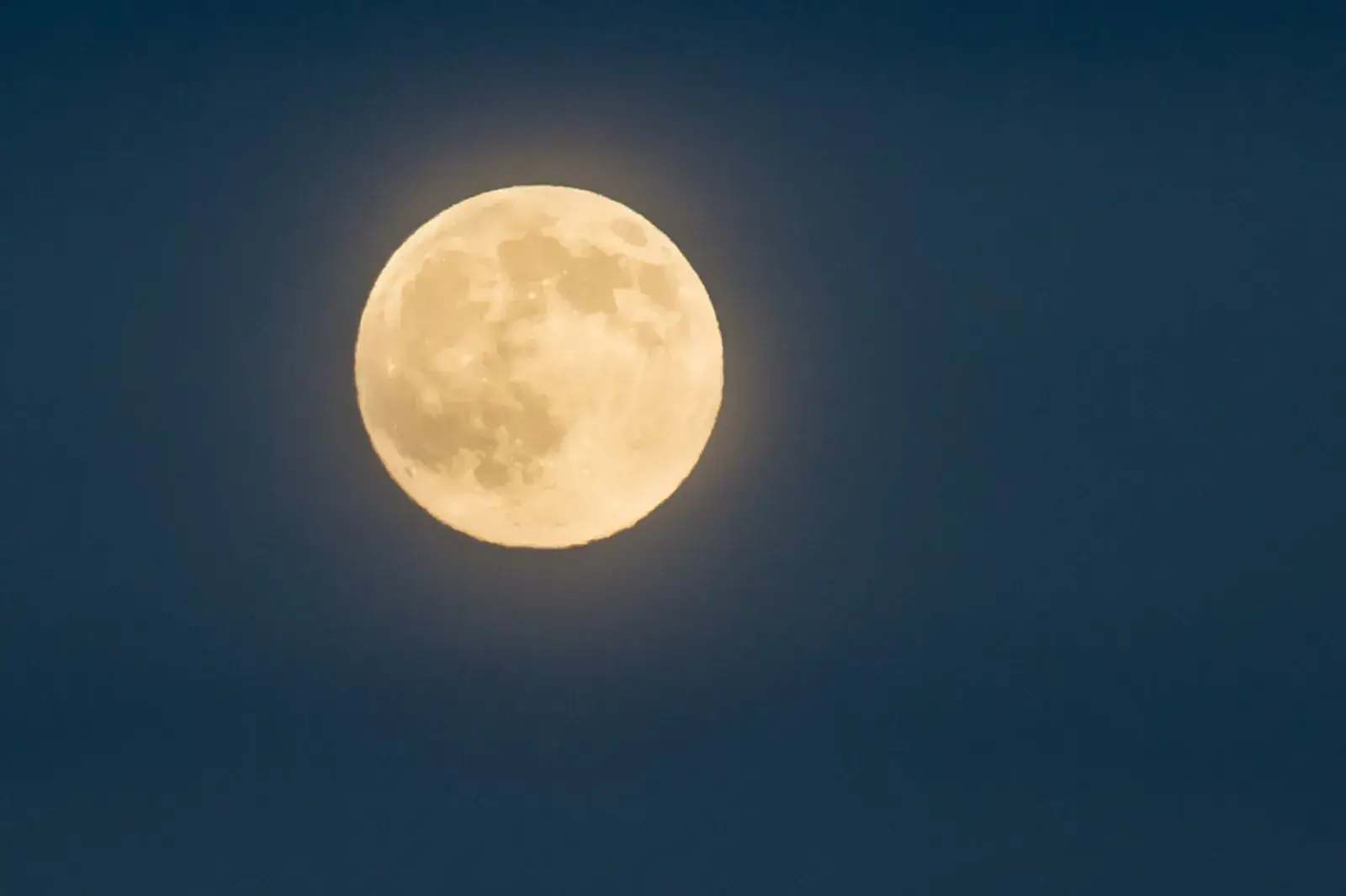
How to read a lunation calendar
A new moon is the instant the Moon and Sun stand at the same degree of the zodiac — a conjunction, with the Moon invisible beside the Sun’s glare. A full moon is the exact opposition, the two lights 180° apart with the Moon’s face fully lit. Both are single instants, not whole nights, which is why each row below carries a time as well as a date. The cycle from one new moon to the next averages 29.5 days, so most years hold twelve of each — 2026 squeezes in 13 full moons, with two sharing the month of May — a quirk often called a “blue moon.”
Astrologers treat the pair as a breathing rhythm: the new moon is the seed moment, the traditional time to begin — set an intention, open the ledger, plant the literal or figurative garden. The full moon is the harvest and the floodlight — whatever was seeded a fortnight earlier reaches visibility, which is why full moons have a reputation for revelations, culminations, and slightly frayed nerves. The sign of each lunation colours the theme: a new moon in Capricorn opens a work-and-ambition cycle, a full moon in Cancer brings home and family matters to a head. And because every lunation lands somewhere in your birth chart, the same full moon that lights up one person’s career house lights up another’s marriage house — the degree column is what lets you place it.
A practical rhythm to try this year: note the sign and degree of the next new moon, find which house of your chart it falls in, and set one concrete intention in that department of life. Check back at the full moon that lands in the same sign about six months later — that’s the traditional payoff point of the cycle. If you don’t know your houses yet, a free birth chart takes two minutes and turns this table from trivia into a personal calendar.
All 25 lunations of 2026
| Date & time (UTC) | Phase | Moon’s position |
|---|---|---|
| Jan 3, 2026 · 10:02 UTC | ● Full Moon | 13°02′ Cancer |
| Jan 18, 2026 · 19:51 UTC | ○ New Moon | 28°44′ Capricorn |
| Feb 1, 2026 · 22:09 UTC | ● Full Moon | 13°04′ Leo |
| Feb 17, 2026 · 12:01 UTC | ○ New Moon | 28°50′ Aquarius |
| Mar 3, 2026 · 11:37 UTC | ● Full Moon | 12°54′ Virgo |
| Mar 19, 2026 · 01:23 UTC | ○ New Moon | 28°27′ Pisces |
| Apr 2, 2026 · 02:11 UTC | ● Full Moon | 12°21′ Libra |
| Apr 17, 2026 · 11:51 UTC | ○ New Moon | 27°29′ Aries |
| May 1, 2026 · 17:23 UTC | ● Full Moon | 11°21′ Scorpio |
| May 16, 2026 · 20:01 UTC | ○ New Moon | 25°58′ Taurus |
| May 31, 2026 · 08:45 UTC | ● Full Moon | 9°56′ Sagittarius |
| Jun 15, 2026 · 02:54 UTC | ○ New Moon | 24°03′ Gemini |
| Jun 29, 2026 · 23:56 UTC | ● Full Moon | 8°15′ Capricorn |
| Jul 14, 2026 · 09:43 UTC | ○ New Moon | 21°59′ Cancer |
| Jul 29, 2026 · 14:35 UTC | ● Full Moon | 6°30′ Aquarius |
| Aug 12, 2026 · 17:36 UTC | ○ New Moon | 20°02′ Leo |
| Aug 28, 2026 · 04:18 UTC | ● Full Moon | 4°54′ Pisces |
| Sep 11, 2026 · 03:26 UTC | ○ New Moon | 18°26′ Virgo |
| Sep 26, 2026 · 16:49 UTC | ● Full Moon | 3°37′ Aries |
| Oct 10, 2026 · 15:50 UTC | ○ New Moon | 17°22′ Libra |
| Oct 26, 2026 · 04:11 UTC | ● Full Moon | 2°46′ Taurus |
| Nov 9, 2026 · 07:02 UTC | ○ New Moon | 16°53′ Scorpio |
| Nov 24, 2026 · 14:53 UTC | ● Full Moon | 2°20′ Gemini |
| Dec 9, 2026 · 00:51 UTC | ○ New Moon | 16°57′ Sagittarius |
| Dec 24, 2026 · 01:28 UTC | ● Full Moon | 2°14′ Cancer |
All times are UTC (Coordinated Universal Time). Convert to your local time zone — for most of the Americas the local date can be one day earlier; for Asia, Australia and New Zealand it can be one day later.
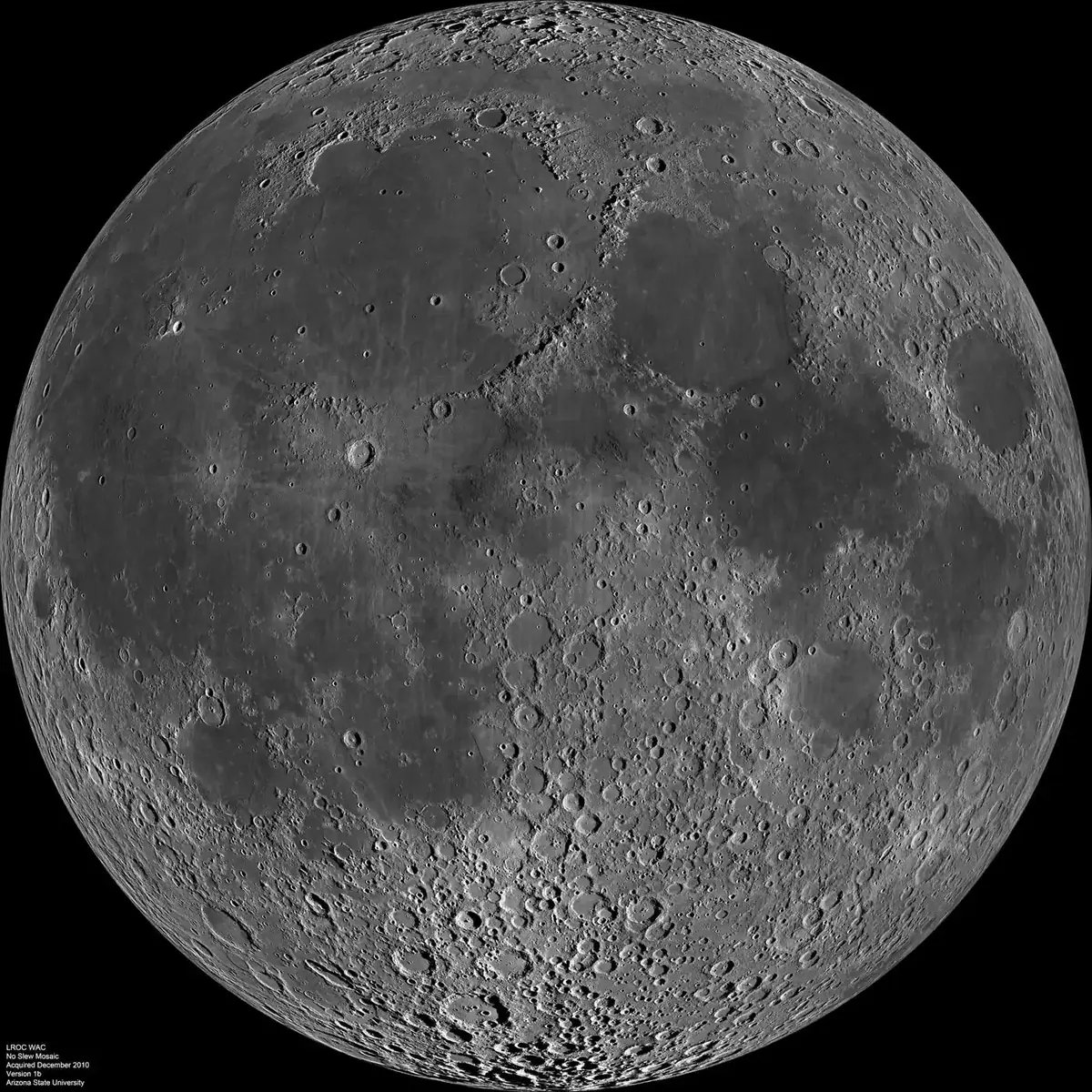
Keep exploring
How these dates are computed: skyfield + JPL DE442 ephemeris; geocentric apparent ecliptic longitudes, true ecliptic and equinox of date (tropical zodiac); stations detected via longitude-rate sign change and refined to well under one hour; all times UTC. Nothing on this page is copied from another calendar — every timestamp is calculated directly from the JPL ephemeris, the same data source used by observatories.
Sources: NASA JPL planetary ephemerides · Skyfield · IAU Standards of Fundamental Astronomy.