Planetary hours · New York
Planetary hours today in New York
Monday, October 26, 2026 is a Moon day. Sunrise 7:19 AM, sunset 5:59 PM: each day hour runs 53 minutes, each night hour 67.
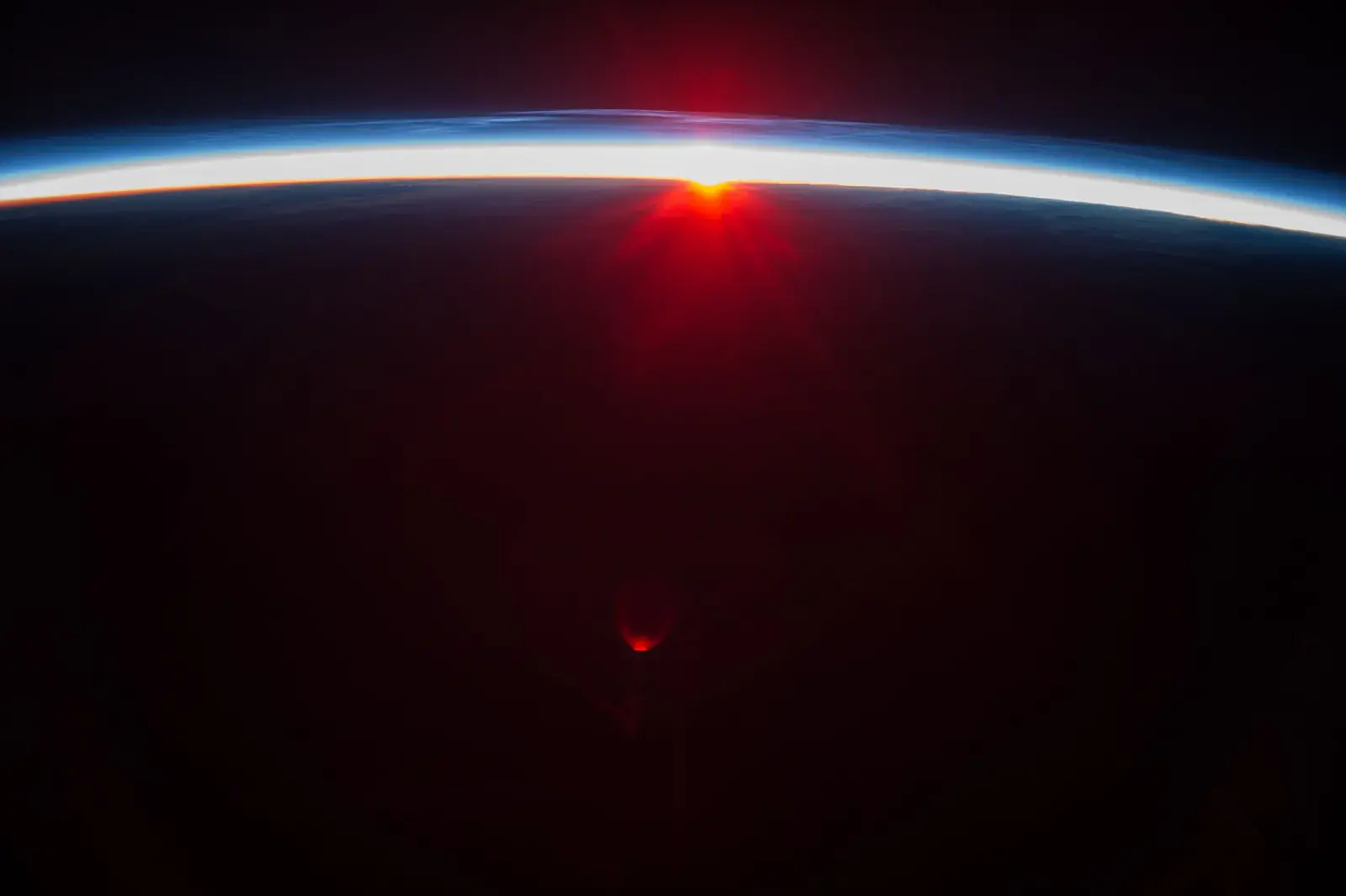
Photo: Matt Tucker / Burst
At a glance
Today in New York the first planetary hour is Moon's, from 7:19 AM to 8:12 AM. Venus hours: 11:46 AM, 5:59 PM, 1:46 AM.
- Day ruler
- MoonMonday's planet
- Sunrise
- 7:19 AMstarts hour 1
- Sunset
- 5:59 PMstarts hour 13
- Hour length
- 53 / 67 minday / night
Any other city: open the calculatorType your own location for its exact table.
Today's table
New York City runs on sunrise
Twelve slices of daylight, twelve of night. In Manhattan, the slices change size every single day.
The city that never sleeps still runs on a sunrise. Planetary hours in New York start the moment the Sun clears the horizon over Queens, and from there the day is cut into twelve equal pieces, whatever the subway clock says.
Today that means day hours of about 53 minutes and night hours of about 67. The first hour belongs to Moon, the ruler of the day, and the rest of the line-up follows the old Chaldean order: Saturn, Jupiter, Mars, Sun, Venus, Mercury, Moon, round and round.
If you use planetary hours to time things, New York's mix of long summer evenings and fast winter dusks makes the gap between clock hours and planetary hours unusually wide. Check the table, not your gut.
The sky behind it
Computed for 40.71°, -74.01° in America/New_York. Times rounded to the minute.
| Hour | Day hours | Starts | Night hours | Starts |
|---|---|---|---|---|
| 1 | Moon | 7:19 AM | Venus | 5:59 PM |
| 2 | Saturn | 8:12 AM | Mercury | 7:06 PM |
| 3 | Jupiter | 9:06 AM | Moon | 8:13 PM |
| 4 | Mars | 9:59 AM | Saturn | 9:20 PM |
| 5 | Sun | 10:52 AM | Jupiter | 10:26 PM |
| 6 | Venus | 11:46 AM | Mars | 11:33 PM |
| 7 | Mercury | 12:39 PM | Sun | 12:40 AM |
| 8 | Moon | 1:33 PM | Venus | 1:46 AM |
| 9 | Saturn | 2:26 PM | Mercury | 2:53 AM |
| 10 | Jupiter | 3:19 PM | Moon | 4:00 AM |
| 11 | Mars | 4:13 PM | Saturn | 5:07 AM |
| 12 | Sun | 5:06 PM | Jupiter | 6:13 AM |
The long hours
Midsummer: the long, lazy hours

Try this today
- Pick one task you have been putting off and book it for the next Mercury day hour.
- Afterwards, jot down how the hour went. A month of notes tells you more than any rulebook.
On June 21 the Sun rises in New York at 5:25 a.m. and sets at 8:30 p.m.. Split that into twelve and each day hour runs 76 minutes, a full quarter-hour longer than a clock hour.
That changes how you plan. A Venus hour on a June Friday can stretch across a whole long lunch, and the Jupiter hour that follows can carry you deep into the afternoon. Night hours shrink to match, so the stretch from sunset to sunrise flies by in short, quick hours.
If you are trying to land a Mercury hour for a pitch email, summer gives you room. Winter does not.
The short hours
Midwinter: the hours get tight

Try this today
- Before bed, find tomorrow's Venus and Jupiter hours and write them on a sticky note.
- Use a long winter night hour for something unhurried: reading, a bath, a letter.
By December 21 the Sun rises at 7:16 a.m. and sets at 4:31 p.m.. Each day hour shrinks to 46 minutes. Blink on the walk from the office to the train and an hour has gone by.
The night hours grow to fill the gap, which makes winter evenings in New York unusually rich in planetary hours. If you like the slow, reflective energy tradition gives Saturn and the Moon, December nights give you more of them, and longer.
The practical tip: in winter, look up the table the night before. With hours this short, it is easy to miss the window you wanted.
Clock time vs Sun time
When the clocks change

New York moves its clocks on March 8 and November 1 in 2026. Planetary hours ignore both. They follow the Sun, so the sunrise that starts the planetary day simply shows up an hour later or earlier on your phone.
That makes daylight saving weekends a good moment to stop trusting habit. If you usually catch the Sun hour at 7 a.m., it may be closer to 8 the morning after the change. The live finder on this page handles the switch for you.
One more New York detail: the earliest sunrise of 2026 here is 5:24 a.m. on June 14, and the latest sunset is 8:31 p.m. on June 27. Neither lands exactly on the solstice, which surprises a lot of people.
The sky behind it
| Moment | Date | Sunrise | Sunset | Day hour |
|---|---|---|---|---|
| Longest day hours | June 21 | 5:25 a.m. | 8:30 p.m. | 75.5 min |
| Shortest day hours | December 21 | 7:16 a.m. | 4:31 p.m. | 46.3 min |
| Earliest sunrise | June 14 | 5:24 a.m. | ||
| Latest sunset | June 27 | 8:31 p.m. | ||
| Clocks go forward | March 8 | no change | ||
| Clocks go back | November 1 | no change |
Live finder
What hour is it in New York right now?
Opens on Mercury. Tap another planet or choose a date.
Loading the live hour for New York...
More to read
One shorter read. It opens in place.
Why this default
The Mercury hour, and New York
Each planet's hour comes with a traditional flavour. Mercury suits calls, emails and studying, which is why we set the finder on this page to Mercury by default for a city that runs on messages. Venus suits dates and anything lovely, Mars suits the gym, Saturn suits deep work. These are traditional associations to reflect with, not rules, and certainly not guarantees.
Continue readingShow less
Quick answers
Do planetary hours change with daylight saving time in New York?
No. They follow sunrise and sunset, not the clock. On March 8 and November 1, 2026, the planetary times simply appear an hour different on your phone.
Can I use New York times in New Jersey or Brooklyn?
Close by, yes. Sunrise shifts by roughly a minute for every 10 to 15 miles you move east or west, so nearby towns are within a few minutes. For a precise table use the main calculator with your own location.
What is today's day ruler in New York?
The ruler goes by weekday: Sunday Sun, Monday Moon, Tuesday Mars, Wednesday Mercury, Thursday Jupiter, Friday Venus, Saturday Saturn. The first hour after sunrise always belongs to the day's ruler.