Planetary hours · Five cities
Planetary hours today, city by city
Same planets, different clocks. Today a day hour lasts 50 to 66 minutes depending on where you are.
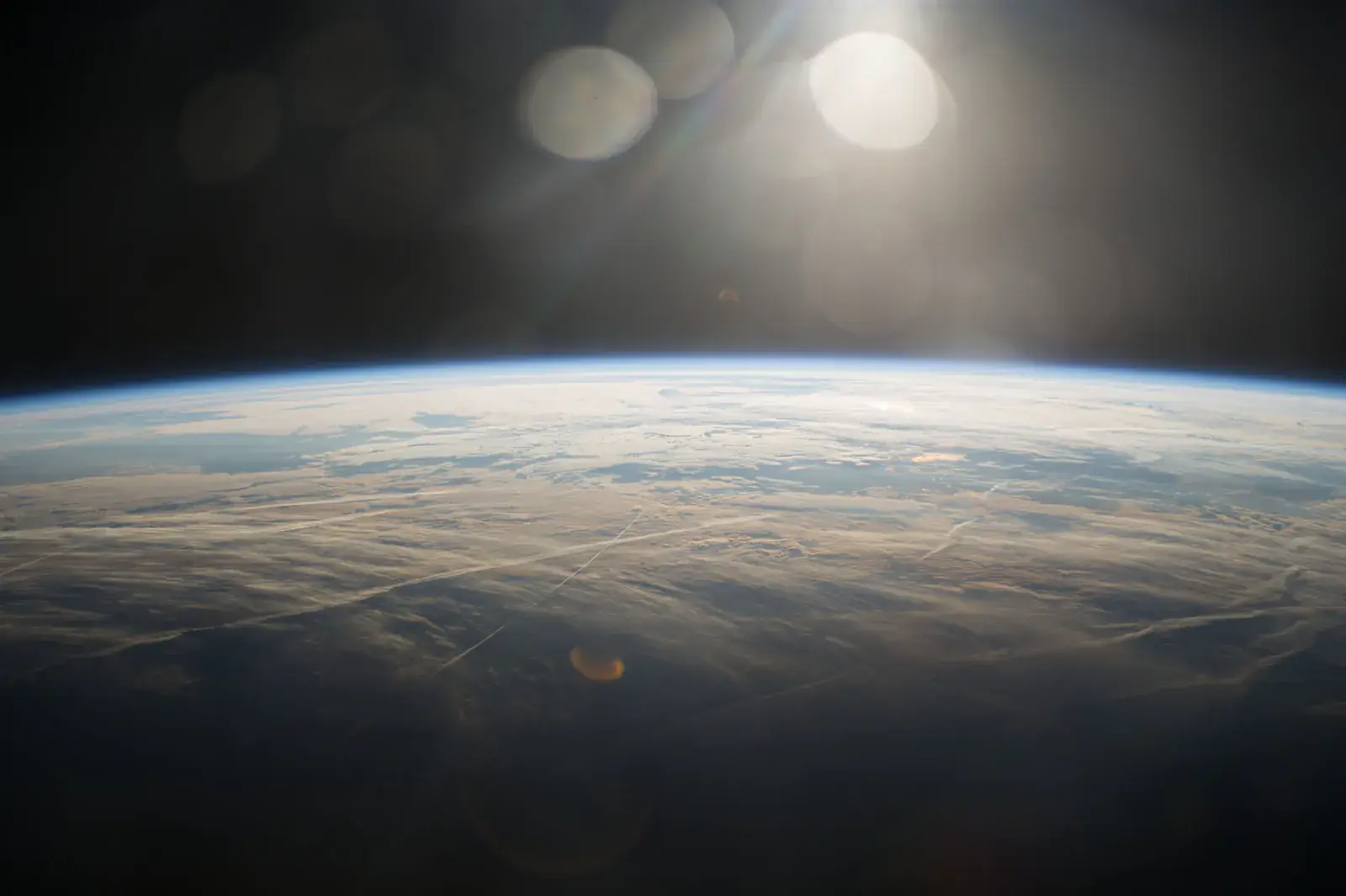
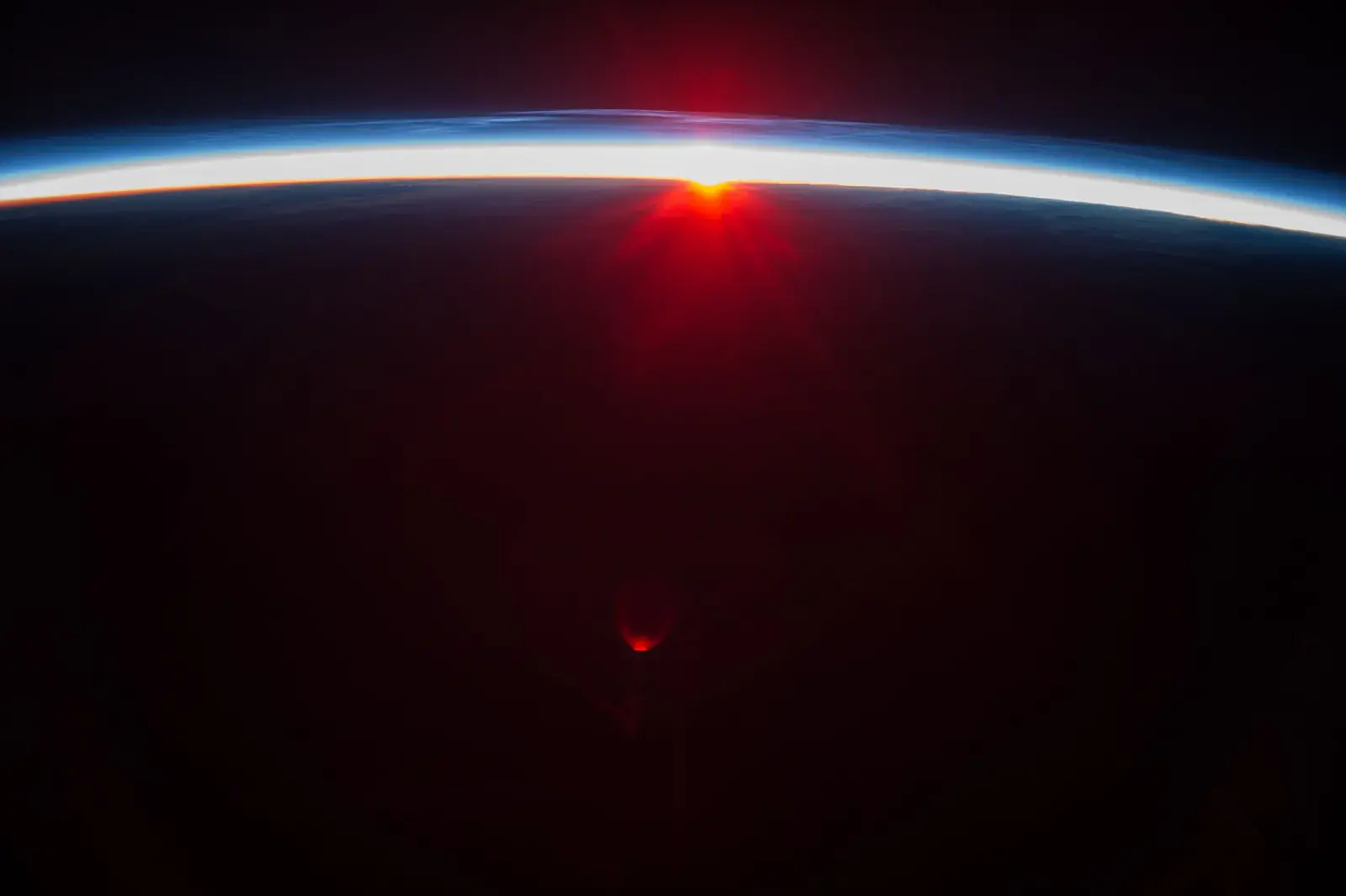
Photo: NASA (International Space Station crew)
At a glance
Monday, October 26, 2026 is a Moon day in New York, so its first hour after sunrise (7:19 AM) belongs to Moon.
- New York
- Moon daysunrise 7:19 AM, 53-min hours
- Los Angeles
- Moon daysunrise 7:07 AM, 55-min hours
- London
- Moon daysunrise 6:43 AM, 50-min hours
- Toronto
- Moon daysunrise 7:45 AM, 53-min hours
- Sydney
- Moon daysunrise 6:01 AM, 66-min hours
Your own locationThe main calculator works for any place.
Today
Why one page per city
A planetary hour is a twelfth of today's daylight, wherever you happen to be standing.
Planetary hours are not the 60-minute hours on your phone. They are twelve slices of daylight and twelve slices of darkness, so their length depends on where you stand and what week it is. A Venus hour in London in December is a short, wintry thing; the same hour in Sydney is long and bright. That is why we built one page per city, each with today's full table worked out from the real sunrise and sunset.
Every page here is rebuilt daily from a fresh sunrise and sunset calculation, and the live finder on each page recalculates in your browser, so the current hour is right even if you open the page at 3 a.m. For any other place on Earth, the main planetary hours calculator takes your own location.
Pick your city: New York · Los Angeles · London · Toronto · Sydney.
The sky behind it
| City | Date | Ruler | Sunrise | Sunset | Day hour | Night hour |
|---|---|---|---|---|---|---|
| New York | Monday, October 26 | Moon | 7:19 AM | 5:59 PM | 53 min | 67 min |
| Los Angeles | Monday, October 26 | Moon | 7:07 AM | 6:05 PM | 55 min | 65 min |
| London | Monday, October 26 | Moon | 6:43 AM | 4:44 PM | 50 min | 70 min |
| Toronto | Monday, October 26 | Moon | 7:45 AM | 6:16 PM | 53 min | 68 min |
| Sydney | Monday, October 26 | Moon | 6:01 AM | 7:17 PM | 66 min | 54 min |
The order
Saturn to the Moon, slowest to fastest
Try this today
- Open two city pages side by side and compare when the Venus hours fall today.
- Say the order out loud a few times: Saturn, Jupiter, Mars, Sun, Venus, Mercury, Moon. It sticks fast.
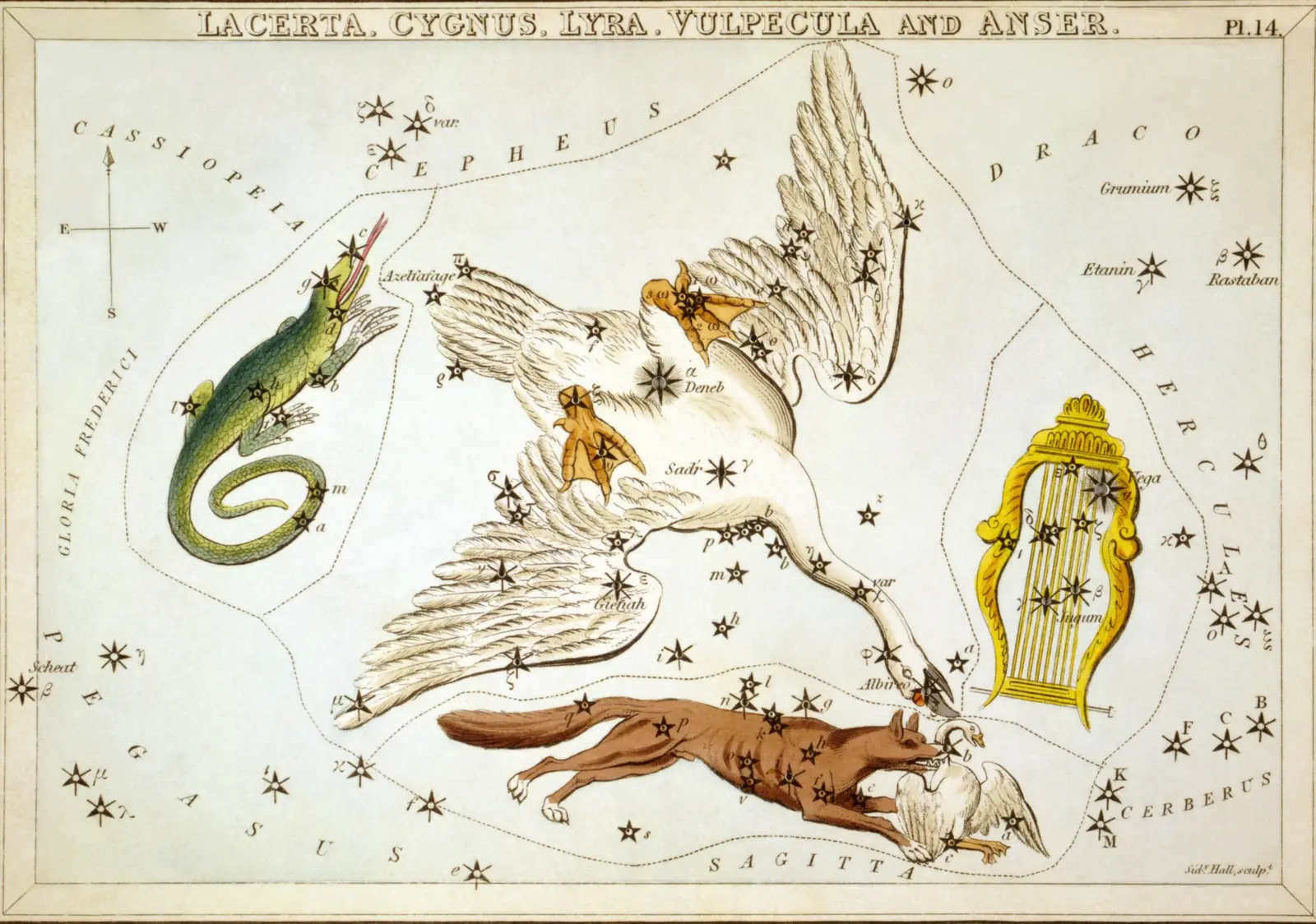
The hours run in the Chaldean order, the classical planets from slowest-moving to fastest as seen from Earth: Saturn, Jupiter, Mars, Sun, Venus, Mercury, Moon. After the Moon it loops back to Saturn.
Here is the neat part. Twenty-four hours is three full loops of seven plus three more, so the first hour of each new day lands three steps further along the list. Start with the Sun on Sunday and you get the Moon on Monday, then Mars, Mercury, Jupiter, Venus and Saturn. That is the order of the week, and the third-century historian Cassius Dio records this as one of two explanations for it.
So whichever city you are in, the day ruler is the same. What changes is when its hour starts and how long it lasts.
The sky behind it
| Weekday | Ruler | First hour |
|---|---|---|
| Sunday | Sun | at sunrise |
| Monday | Moon | at sunrise |
| Tuesday | Mars | at sunrise |
| Wednesday | Mercury | at sunrise |
| Thursday | Jupiter | at sunrise |
| Friday | Venus | at sunrise |
| Saturday | Saturn | at sunrise |
The seasons
Long hours, short hours

Of these five cities, London swings the hardest. Its day hours reach 83.2 minutes around midsummer and fall to 39.1 minutes in midwinter. The farther a city is from the equator, the bigger that swing.
Sydney runs the other way round: its long hours come in December and its short ones in June. The weekday rulers do not flip, only the lengths.
The sky behind it
| City | Longest | Minutes | Shortest | Minutes |
|---|---|---|---|---|
| New York | June 21 | 75.5 | December 21 | 46.3 |
| Los Angeles | June 21 | 72.1 | December 21 | 49.4 |
| London | June 21 | 83.2 | December 21 | 39.1 |
| Toronto | June 21 | 77.2 | December 21 | 44.6 |
| Sydney | December 22 | 72.1 | June 21 | 49.5 |
More to read
One shorter read. It opens in place.
How people use them
A timing habit, not a rulebook
People who follow planetary hours usually pick an hour whose planet fits the task: Venus for a date, Mercury for an email, Mars for a workout, Saturn for deep focus. It is a traditional way to bring a little intention to your calendar. It is not a forecast, and no hour can guarantee an outcome.
Continue readingShow less
Quick answers
What are planetary hours today?
Twelve equal parts of today's daylight and twelve of tonight's darkness, each ruled by a classical planet in the Chaldean order. Pick a city page for today's full table, or use the main calculator for your own location.
Why are planetary hours different in each city?
Because sunrise and sunset differ. The hours are fractions of the real day and night, so latitude, longitude and season all change when they start and how long they last.
What is the current planetary hour?
Each city page has a live finder that works it out in your browser from that city's sunrise and sunset, with a countdown to the next hour.
How do I find the Venus hour today?
Open your city's page and tap Venus in the finder. It lists the next four Venus hours. On a Friday the first hour after sunrise is always Venus.
Are planetary hours affected by daylight saving time?
No. They are tied to sunrise and sunset, so a clock change only shifts how they read on your phone.
Is my city missing?
The main planetary hours calculator works for any place on Earth: type your city and it builds the table from your own sunrise and sunset.