Horary
One question, one chart, a judged answer.
Horary is the branch of Western astrology that answers a specific question from a chart cast for the exact moment it was asked. Not your birth chart — the sky at the instant the question mattered enough to ask it.
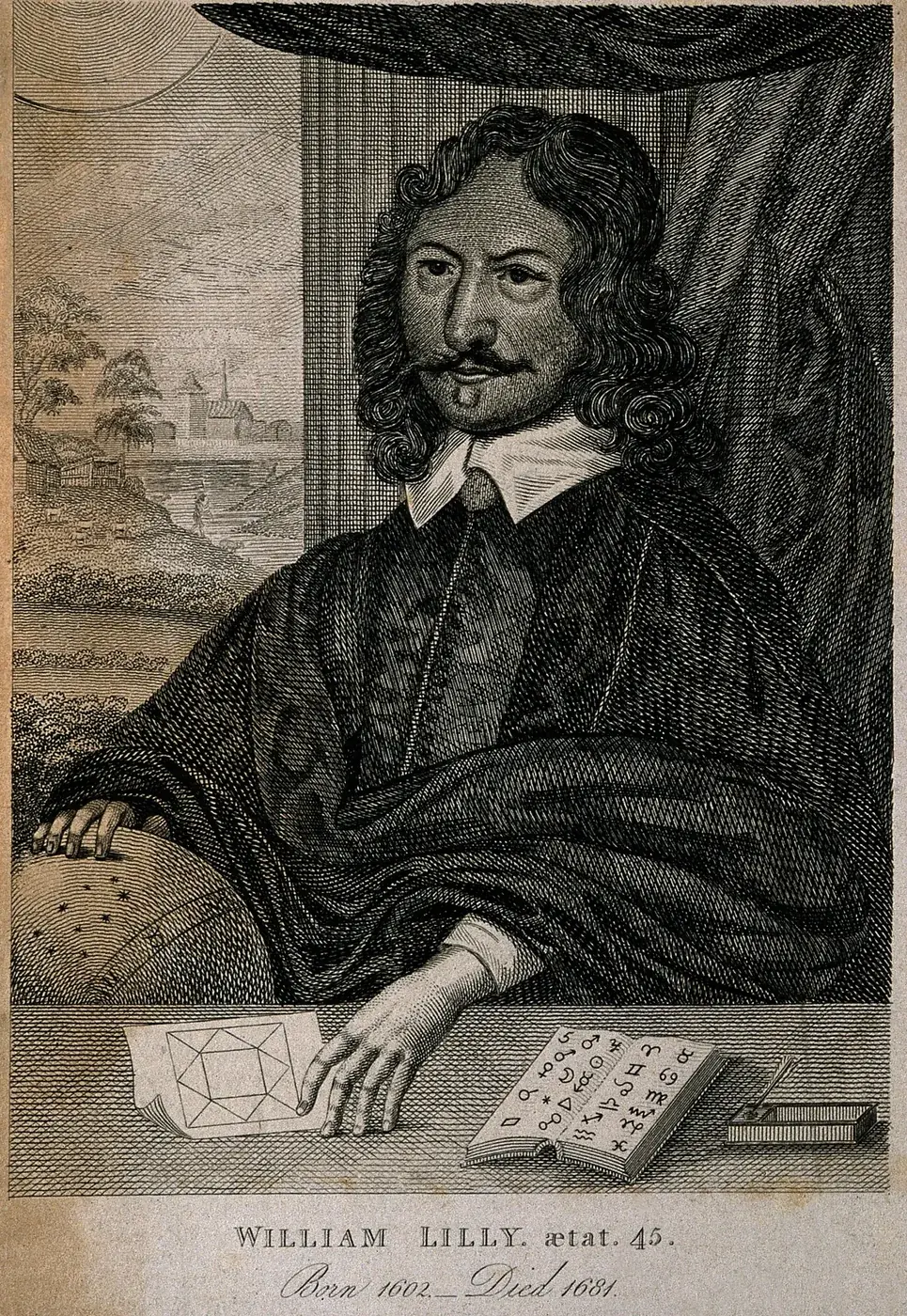
Most astrology describes you. Horary answers you. It is a 17th-century judicial method: the astrologer casts a chart for the moment a real question is asked, identifies which planet stands for the asker and which for the thing asked about, and reads whether those two significators connect before they leave their signs. If they perfect, the answer is yes. If they never meet, it is no.
Shymea computes that judgment from the rules rather than writing it as prose. The chart is cast in Regiomontanus houses — the system William Lilly himself used — the considerations before judgment are checked in his order, and the verdict comes back with the reasoning that produced it.
How a horary question is judged
The chart is cast for the moment you ask
Not your birth chart. Horary reads the sky at the instant the question was put — which is why the same question asked twice can judge differently.
Significators are assigned by house
The ruler of the Ascendant stands for you; the ruler of the house governing the matter stands for the thing asked about. A job question goes to the 10th, a lost object to the 2nd, a relationship to the 7th.
Perfection, or the absence of it
The engine tests whether the two significators complete an aspect before either changes sign — by direct application, translation or collection of light, or mutual reception. No perfection, no yes.
Considerations before judgment
Lilly's cautions are checked first: a void-of-course Moon, an Ascendant too early or too late, Saturn in the 7th. They qualify the reading rather than silently disappearing into it.
Validated against Lilly's own charts
The strongest thing we can say about a horary engine is not that it feels right — it is whether it reproduces judgments that were recorded and published. Shymea's engine is regression-tested against 17 questions William Lilly worked and judged himself in Christian Astrology (1647), recomputed on the DE442 ephemeris and judged automatically.
It currently agrees with his recorded verdict on 14 of those 17 charts, with all 17 casting without error. The three disagreements are documented rather than hidden: one turns on a prohibiting body his 1630s tables did not show, and two rest on rules Lilly half-rejects elsewhere in his own text. We publish the misses because a validation figure nobody can inspect is not evidence.
Shymea leads with Yes or No because Lilly did. His only procedural non-answer is to defer — 'when the testimonies of Fortunes and Infortunes are equal, deferre judgment' — and across 904 casts of 113 curated questions the engine defers 1.7% of the time. A chart whose significators never connect returns a firm no rather than a hedge.
Related
Common questions
- What is horary astrology?
- Horary is the branch of Western astrology that answers one specific question from a chart cast for the exact moment the question was asked, rather than from the asker's birth chart. It was the dominant form of practical astrology in 17th-century England and is judged by rules — significators, perfection, and reception — rather than by describing character.
- Who was William Lilly?
- William Lilly (1602–1681) was the most prominent English astrologer of his century and the author of Christian Astrology (1647), the first major astrological textbook written in English. His Book 2 sets out horary method and works through dozens of real questions he judged, which is why his charts can be used as ground truth today.
- How accurate is Shymea's horary engine?
- Against the 17 questions Lilly worked and recorded in Christian Astrology, the engine agrees with his verdict on 14. All 17 cast without error. That is a measure of whether the engine reproduces classical judgment, not a claim about whether horary predicts the future — those are different questions and we do not conflate them.
- Why does horary use Regiomontanus houses instead of Placidus?
- Because Lilly did. With Placidus the intermediate cusps disagree with his printed figures, the house rulers come out wrong, and the judgment changes. Shymea uses Regiomontanus for horary and Placidus for natal work, and says so on the result itself.
- Can I ask the same question twice?
- You can, but horary tradition treats a repeated question sceptically — the chart answers the moment of asking, and re-asking until you like the answer is exactly what the considerations before judgment exist to catch. If the engine defers, that is the signal to wait for circumstances to change, not to re-roll.
- Is the answer written by AI?
- The verdict is computed from the rules — significators, perfection, reception — not generated as prose. A model may help route a freely typed question to the right house, because reading what someone is actually asking is a language problem. The judgment itself is not.
Shymea is for guidance, self-reflection, and entertainment — not a substitute for professional medical, financial, legal, or psychological advice.