Natal retrograde calculator
What was retrograde when you were born?
Mercury to Pluto, every station from 1920 to 2034, checked against your birthday. Spoiler: 90.3% of people have at least one.
Photo: nanessa reyes / Burst
At a glance
On a typical day about 2.3 of the eight planets are retrograde, so the calculator below will most likely find at least one in your chart.
- At least one retrograde
- 90.3%of days, 1920-2034
- Mercury retrograde
- 19.1%about 3.1 times a year
- Most common count
- 2 planets26.0% of days
- Retrograde at build
- Mercury, Venus, Saturn, Uranus, NeptuneOct 26, 2026
See every retrograde stationThis year's stations, computed from JPL.
The short answer
Most birth charts have a retrograde planet. Here is how to find yours

Try this today
- Run your own birthday, then a sibling's. Outer-planet retrogrades often match, Mercury rarely does.
- If you know your time, add it and see if anything changes. Usually nothing does, and that is the point.
Somewhere in your birth chart there is probably a tiny "R" or "℞" next to a planet, and you have been wondering if it is a problem. It is not. It is one of the most common things a chart can have.
We sampled every day from 1920 to 2034 at noon UTC and checked all eight planets from Mercury to Pluto. On 90.3% of those days at least one was retrograde. The most common count was 2. A chart with zero retrogrades turns up on only 9.7% of days, which makes "no retrogrades" the more unusual placement.
The calculator below does the checking for you. Enter your birth date (time and place help, but are rarely needed) and it tells you which planets were moving backward, the dates of each retrograde, and the degrees it backed over. If a planet changed direction on your birthday, it flags that too, because a station is a big deal in a chart.
The sky behind it
What retrograde actually means (no planet ever reverses)

Retrograde is a point-of-view thing. Earth and the other planets all circle the Sun in the same direction, at different speeds. When Earth catches up with and passes a slower outer planet, that planet seems to drift backward against the stars for a while, the way a slower car seems to slide back as you overtake it on the highway.
Mercury and Venus do it differently because they are inside our orbit. They look retrograde when they swing around the near side of the Sun and pass between us and it.
Either way, the planet never actually turns around. Britannica and NASA both describe it as apparent motion. Astrologers have always known that too; the tradition reads it as a symbol of a planet's energy turning inward, not as a cosmic glitch.
The sky behind it
Stations here are the moments a planet's geocentric ecliptic longitude stops changing, found from the sign change of its daily motion (5-minute differences, refined to under a minute) with skyfield and JPL DE442. Tropical zodiac, true equinox of date, UTC. Spot-check: Mercury stationed retrograde at 27°13′ Aries on Apr 1, 2024, 22:14 UTC, matching published 2024 calendars.
Born under Mercury retrograde
Mercury: about 19% of people are born with it retrograde
Try this today
- Keep a notes app list of things you want to say before a big conversation. It is a very Mercury-retrograde move, and it works.
- Check the Mercury retrograde table below for your birth year to see how close you came.
Mercury is the one people search for, and the one most likely to come up. It turns retrograde about 3.1 times a year, for 22 days on average (the shortest in our window ran 20 days, the longest 24). Add that up and 19.1% of days fall inside one.
So in any room of people, a fair few were born under it. In the tradition, natal Mercury retrograde is read as a mind that loops back: you draft in your head, you rehearse the text before you send it, you notice the detail everyone else skimmed. Writers, editors, researchers and people who say "wait, go back" in meetings will recognise it.
What it is not: a promise that you will be bad at talking, or that every Mercury retrograde season will wreck your life. It is a way of noticing how you think, nothing more.
The rare personal ones
Venus and Mars: the retrogrades fewer people have
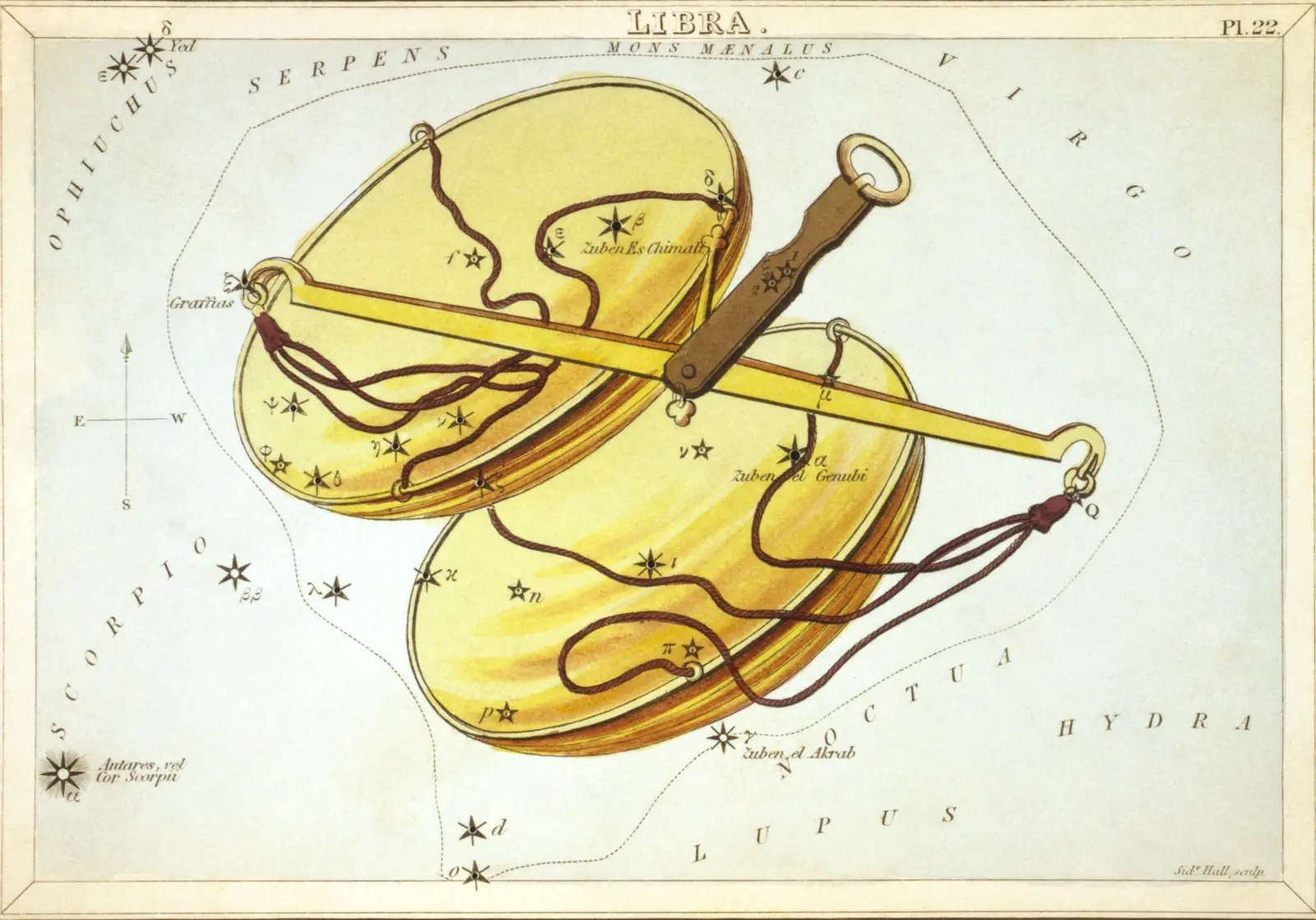
Venus is retrograde on just 7.2% of days, roughly 42 days every year and a half or so. Mars is retrograde on 9.5%, about 74 days every two years or so. If either shows up in your results, you hold one of the scarcer natal placements.
Natal Venus retrograde is often read as love and taste that develop on their own timeline: you might not want what everyone around you wants, and it takes a while to name what you do. Mars retrograde is read as drive that builds privately. You may be the person who looks calm and then finishes the whole project in a weekend.
Again, framing matters. These are ways of noticing yourself, not instructions. If a reading does not fit, it does not fit.
The generational ones
Jupiter to Pluto: you share these with a lot of classmates
Jupiter is retrograde on 30.4% of days, Saturn 36.5%, Uranus 41.0%, Neptune 43.4% and Pluto 43.5%. Each of the outer retrogrades lasts four to five months, so everyone born in that stretch has it.
That is why many astrologers give outer-planet retrogrades less personal weight. They matter most when they touch something personal in your chart, like your Sun, Moon or rising sign. A Saturn retrograde right on your Moon is a story. A Neptune retrograde floating alone is mostly the weather of your birth year.
Fun fact from the data: on 3 stretches covering 12 days between 1920 and 2034, 7 of the eight planets were retrograde at once, starting Jan 6, 1944. Nobody in our window was born with all eight.
Try it
Your retrograde planets at birth
Enter your birthday. Add a time and place if you have them. You will get every planet from Mercury to Pluto, with the dates of any retrograde you were born in. Works for births from 1920 to 2034.
More to read
Shorter reads. Each opens in place.
The detail that matters most
Born on a station? That one is worth a closer look
A planet at its station barely moves for a few days, and astrologers treat a stationary planet in a birth chart as unusually strong, whichever way it is turning. The calculator calls it out when your birth falls within a day of a Mercury station, two of Venus, three of Mars, five of Jupiter or Saturn, or seven of the slowest three. Those windows are our convention for "nearly motionless", not a rule from any one tradition.
Continue readingShow less
Quick note
Why your birth time rarely changes the answer
Retrograde status changes only at a station, and there are only a few stations a year per planet. Unless one happened on your birthday, any time of day gives the same result. When one did, the calculator says so and asks for your time. Houses and rising signs are different, they change every few minutes, so get those from the birth chart calculator.
Continue readingShow less
Retrogrades by the numbers
Computed from JPL DE442, sampled daily at noon UTC from Jan 1, 1920 to Dec 31, 2034 (42,004 days).
| Planet | Share of days retrograde | Average retrograde length | Retrogrades per year |
|---|---|---|---|
| Mercury | 19.1% | 22 days | 3.15 |
| Venus | 7.2% | 42 days | 0.63 |
| Mars | 9.5% | 74 days | 0.47 |
| Jupiter | 30.4% | 121 days | 0.92 |
| Saturn | 36.5% | 138 days | 0.97 |
| Uranus | 41.0% | 152 days | 0.99 |
| Neptune | 43.4% | 159 days | 1.00 |
| Pluto | 43.5% | 160 days | 1.00 |
| Retrograde planets | Share of days |
|---|---|
| 0 | 9.7% |
| 1 | 20.7% |
| 2 | 26.0% |
| 3 | 23.4% |
| 4 | 14.1% |
| 5 | 4.9% |
| 6 | 1.1% |
| 7 | 0.0% |
| Stations retrograde | At | Stations direct | At |
|---|---|---|---|
| Jan 26, 1995 | 21°15′ Aquarius | Feb 16, 1995 | 5°37′ Aquarius |
| May 24, 1995 | 18°21′ Gemini | Jun 17, 1995 | 9°48′ Gemini |
| Sep 22, 1995 | 20°10′ Libra | Oct 14, 1995 | 5°00′ Libra |
| Jan 9, 1996 | 5°10′ Aquarius | Jan 30, 1996 | 19°06′ Capricorn |
| May 3, 1996 | 28°38′ Taurus | May 27, 1996 | 19°38′ Taurus |
| Sep 4, 1996 | 3°29′ Libra | Sep 26, 1996 | 19°00′ Virgo |
| Dec 23, 1996 | 19°13′ Capricorn | Jan 12, 1997 | 2°58′ Capricorn |
| Apr 15, 1997 | 9°39′ Taurus | May 8, 1997 | 29°28′ Aries |
| Aug 17, 1997 | 16°13′ Virgo | Sep 10, 1997 | 2°42′ Virgo |
| Dec 7, 1997 | 3°22′ Capricorn | Dec 27, 1997 | 17°03′ Sagittarius |
| Mar 27, 1998 | 21°29′ Aries | Apr 20, 1998 | 9°47′ Aries |
| Jul 31, 1998 | 28°16′ Leo | Aug 23, 1998 | 15°57′ Leo |
| Nov 21, 1998 | 17°33′ Sagittarius | Dec 11, 1998 | 1°17′ Sagittarius |
| Mar 10, 1999 | 4°03′ Aries | Apr 2, 1999 | 20°52′ Pisces |
| Jul 12, 1999 | 9°29′ Leo | Aug 6, 1999 | 28°34′ Cancer |
| Nov 5, 1999 | 1°43′ Sagittarius | Nov 25, 1999 | 15°37′ Scorpio |
| Feb 21, 2000 | 17°10′ Pisces | Mar 14, 2000 | 2°46′ Pisces |
| Jun 23, 2000 | 19°57′ Cancer | Jul 17, 2000 | 10°23′ Cancer |
| Oct 18, 2000 | 15°47′ Scorpio | Nov 8, 2000 | 29°56′ Libra |
| Feb 4, 2001 | 0°41′ Pisces | Feb 25, 2001 | 15°24′ Aquarius |
| Jun 4, 2001 | 29°57′ Gemini | Jun 28, 2001 | 21°16′ Gemini |
| Oct 1, 2001 | 29°41′ Libra | Oct 23, 2001 | 14°12′ Libra |
| Jan 18, 2002 | 14°28′ Aquarius | Feb 8, 2002 | 28°37′ Capricorn |
| May 15, 2002 | 9°59′ Gemini | Jun 8, 2002 | 1°21′ Gemini |
| Sep 14, 2002 | 13°14′ Libra | Oct 6, 2002 | 28°19′ Virgo |
| Jan 2, 2003 | 28°27′ Capricorn | Jan 23, 2003 | 12°17′ Capricorn |
| Apr 26, 2003 | 20°33′ Taurus | May 20, 2003 | 11°07′ Taurus |
| Aug 28, 2003 | 26°19′ Virgo | Sep 20, 2003 | 12°12′ Virgo |
| Dec 17, 2003 | 12°33′ Capricorn | Jan 6, 2004 | 26°16′ Sagittarius |
| Apr 6, 2004 | 1°55′ Taurus | Apr 30, 2004 | 21°07′ Aries |
| Aug 10, 2004 | 8°46′ Virgo | Sep 2, 2004 | 25°44′ Leo |
| Nov 30, 2004 | 26°44′ Sagittarius | Dec 20, 2004 | 10°27′ Sagittarius |
| Mar 20, 2005 | 14°06′ Aries | Apr 12, 2005 | 1°45′ Aries |
| Jul 23, 2005 | 20°28′ Leo | Aug 16, 2005 | 8°45′ Leo |
| Nov 14, 2005 | 10°56′ Sagittarius | Dec 4, 2005 | 24°44′ Scorpio |
| Mar 2, 2006 | 26°55′ Pisces | Mar 25, 2006 | 13°10′ Pisces |
| Jul 4, 2006 | 1°22′ Leo | Jul 29, 2006 | 21°03′ Cancer |
| Oct 28, 2006 | 25°04′ Scorpio | Nov 18, 2006 | 9°03′ Scorpio |
| Feb 14, 2007 | 10°13′ Pisces | Mar 8, 2007 | 25°24′ Aquarius |
| Jun 15, 2007 | 11°36′ Cancer | Jul 10, 2007 | 2°28′ Cancer |
| Oct 12, 2007 | 9°04′ Scorpio | Nov 1, 2007 | 23°21′ Libra |
| Jan 28, 2008 | 23°52′ Aquarius | Feb 19, 2008 | 8°19′ Aquarius |
| May 26, 2008 | 21°32′ Gemini | Jun 19, 2008 | 12°58′ Gemini |
| Sep 24, 2008 | 22°50′ Libra | Oct 15, 2008 | 7°34′ Libra |
| Jan 11, 2009 | 7°45′ Aquarius | Feb 1, 2009 | 21°45′ Capricorn |
| May 7, 2009 | 1°44′ Gemini | May 31, 2009 | 22°52′ Taurus |
| Sep 7, 2009 | 6°13′ Libra | Sep 29, 2009 | 21°36′ Virgo |
| Dec 26, 2009 | 21°47′ Capricorn | Jan 15, 2010 | 5°32′ Capricorn |
| Apr 18, 2010 | 12°37′ Taurus | May 11, 2010 | 2°39′ Taurus |
| Aug 20, 2010 | 19°03′ Virgo | Sep 12, 2010 | 5°22′ Virgo |
| Dec 10, 2010 | 5°56′ Capricorn | Dec 30, 2010 | 19°37′ Sagittarius |
| Mar 30, 2011 | 24°21′ Aries | Apr 23, 2011 | 12°53′ Aries |
| Aug 3, 2011 | 1°11′ Virgo | Aug 26, 2011 | 18°41′ Leo |
| Nov 24, 2011 | 20°07′ Sagittarius | Dec 14, 2011 | 3°51′ Sagittarius |
| Mar 12, 2012 | 6°49′ Aries | Apr 4, 2012 | 23°51′ Pisces |
| Jul 15, 2012 | 12°32′ Leo | Aug 8, 2012 | 1°25′ Leo |
| Nov 6, 2012 | 4°17′ Sagittarius | Nov 26, 2012 | 18°10′ Scorpio |
| Stations retrograde | At | Stations direct | At |
|---|---|---|---|
| May 24, 1980 | 2°35′ Cancer | Jul 6, 1980 | 16°03′ Gemini |
| Dec 31, 1981 | 8°53′ Aquarius | Feb 10, 1982 | 23°21′ Capricorn |
| Aug 3, 1983 | 9°30′ Virgo | Sep 15, 1983 | 23°11′ Leo |
| Mar 13, 1985 | 22°18′ Aries | Apr 25, 1985 | 6°00′ Aries |
| Oct 15, 1986 | 20°23′ Scorpio | Nov 26, 1986 | 4°53′ Scorpio |
| May 22, 1988 | 0°26′ Cancer | Jul 4, 1988 | 13°55′ Gemini |
| Dec 29, 1989 | 6°25′ Aquarius | Feb 8, 1990 | 20°55′ Capricorn |
| Aug 1, 1991 | 7°19′ Virgo | Sep 13, 1991 | 21°00′ Leo |
| Mar 11, 1993 | 20°01′ Aries | Apr 22, 1993 | 3°44′ Aries |
| Oct 13, 1994 | 18°00′ Scorpio | Nov 23, 1994 | 2°28′ Scorpio |
| May 20, 1996 | 28°18′ Gemini | Jul 2, 1996 | 11°46′ Gemini |
| Dec 26, 1997 | 3°56′ Aquarius | Feb 5, 1998 | 18°28′ Capricorn |
| Jul 30, 1999 | 5°07′ Virgo | Sep 11, 1999 | 18°47′ Leo |
| Mar 9, 2001 | 17°43′ Aries | Apr 20, 2001 | 1°27′ Aries |
| Oct 10, 2002 | 15°36′ Scorpio | Nov 21, 2002 | 0°02′ Scorpio |
| May 17, 2004 | 26°08′ Gemini | Jun 29, 2004 | 9°37′ Gemini |
| Dec 24, 2005 | 1°28′ Aquarius | Feb 3, 2006 | 16°01′ Capricorn |
| Jul 27, 2007 | 2°57′ Virgo | Sep 8, 2007 | 16°35′ Leo |
| Mar 6, 2009 | 15°27′ Aries | Apr 17, 2009 | 29°12′ Pisces |
| Oct 8, 2010 | 13°13′ Scorpio | Nov 18, 2010 | 27°39′ Libra |
| May 15, 2012 | 23°59′ Gemini | Jun 27, 2012 | 7°29′ Gemini |
| Dec 21, 2013 | 28°58′ Capricorn | Jan 31, 2014 | 13°33′ Capricorn |
| Jul 25, 2015 | 0°46′ Virgo | Sep 6, 2015 | 14°23′ Leo |
| Mar 4, 2017 | 13°08′ Aries | Apr 15, 2017 | 26°54′ Pisces |
| Oct 5, 2018 | 10°50′ Scorpio | Nov 16, 2018 | 25°14′ Libra |
| May 13, 2020 | 21°50′ Gemini | Jun 25, 2020 | 5°20′ Gemini |
| Dec 19, 2021 | 26°29′ Capricorn | Jan 29, 2022 | 11°04′ Capricorn |
| Jul 23, 2023 | 28°36′ Leo | Sep 4, 2023 | 12°11′ Leo |
| Mar 2, 2025 | 10°50′ Aries | Apr 13, 2025 | 24°37′ Pisces |
| Oct 3, 2026 | 8°29′ Scorpio | Nov 14, 2026 | 22°51′ Libra |
| May 10, 2028 | 19°41′ Gemini | Jun 22, 2028 | 3°10′ Gemini |
| Dec 16, 2029 | 24°01′ Capricorn | Jan 26, 2030 | 8°37′ Capricorn |
| Stations retrograde | Stations direct | |
|---|---|---|
| Latest | Oct 24, 2026, 07:12 UTC at 20°58′ Scorpio | Nov 13, 2026, 15:53 UTC at 5°01′ Scorpio |
| Next | Feb 9, 2027, 17:36 UTC at 5°58′ Pisces | Mar 3, 2027, 12:32 UTC at 20°55′ Aquarius |
All times are UTC. In the Americas the local date can be a day earlier; in Asia and Australia a day later.
Quick answers
What planets were retrograde when I was born?
Put your birth date in the calculator above. It checks the moment against every retrograde of Mercury, Venus, Mars, Jupiter, Saturn, Uranus, Neptune and Pluto from 1920 to 2034. On an average day about 2.3 of those eight are retrograde, so most people have at least one.
Is it rare to have retrograde planets in your birth chart?
No. Across 42,004 days sampled from 1920 to 2034, 90.3% had at least one planet retrograde. A chart with none is the less common one, at 9.7%. Having 7 at once is the real rarity: 0.0% of days.
Was Mercury retrograde when I was born?
There is about a 19% chance. Mercury turns retrograde about 3.1 times a year for roughly 22 days each time. The calculator gives you a yes or no and the exact dates of that retrograde.
What does it mean if you were born during Mercury retrograde?
In traditional astrology it is read as a mind that works inward first: you might think things through privately, revise a lot, or notice what others skip. It is a style, not a defect, and plenty of clear communicators have it. Treat it as reflection, not a forecast.
Do I need my birth time to know my retrograde planets?
Usually not. A planet only changes direction on a handful of days each year, so the date alone settles it almost every time. If a planet stationed on your birth day, the calculator tells you, and then your birth time decides.
Why are Saturn, Uranus, Neptune and Pluto retrograde so often?
Retrograde is an illusion of Earth overtaking a slower planet. The farther out the planet, the longer each overtaking lasts, so the outer planets spend 36% or more of the time retrograde. Plenty of people born in the same months share them, which is why astrologers read them as generational.
What planets are retrograde right now in 2026?
When this page was last built (Oct 26, 2026), Mercury, Venus, Saturn, Uranus, Neptune were retrograde. For live stations see the retrograde stations tool, and the 2027 calendar for next year.