The 2027 sky · Retrogrades
Retrogrades 2027: 17 turns, seven planets, one quiet spring
Mercury loops back three times, Mars backs out of Virgo, and Venus sits the whole year out. Here is every station and every shadow, computed to the minute.
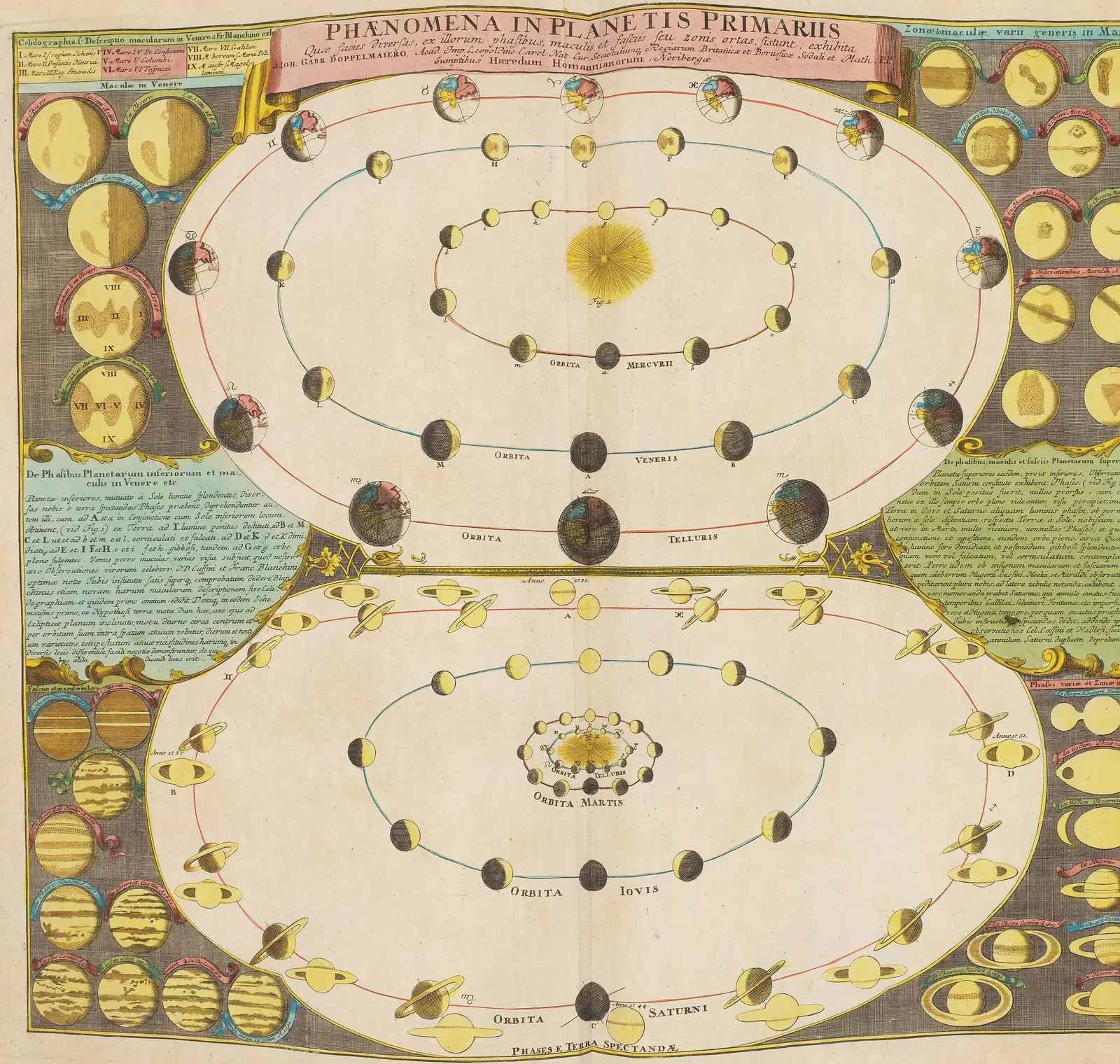
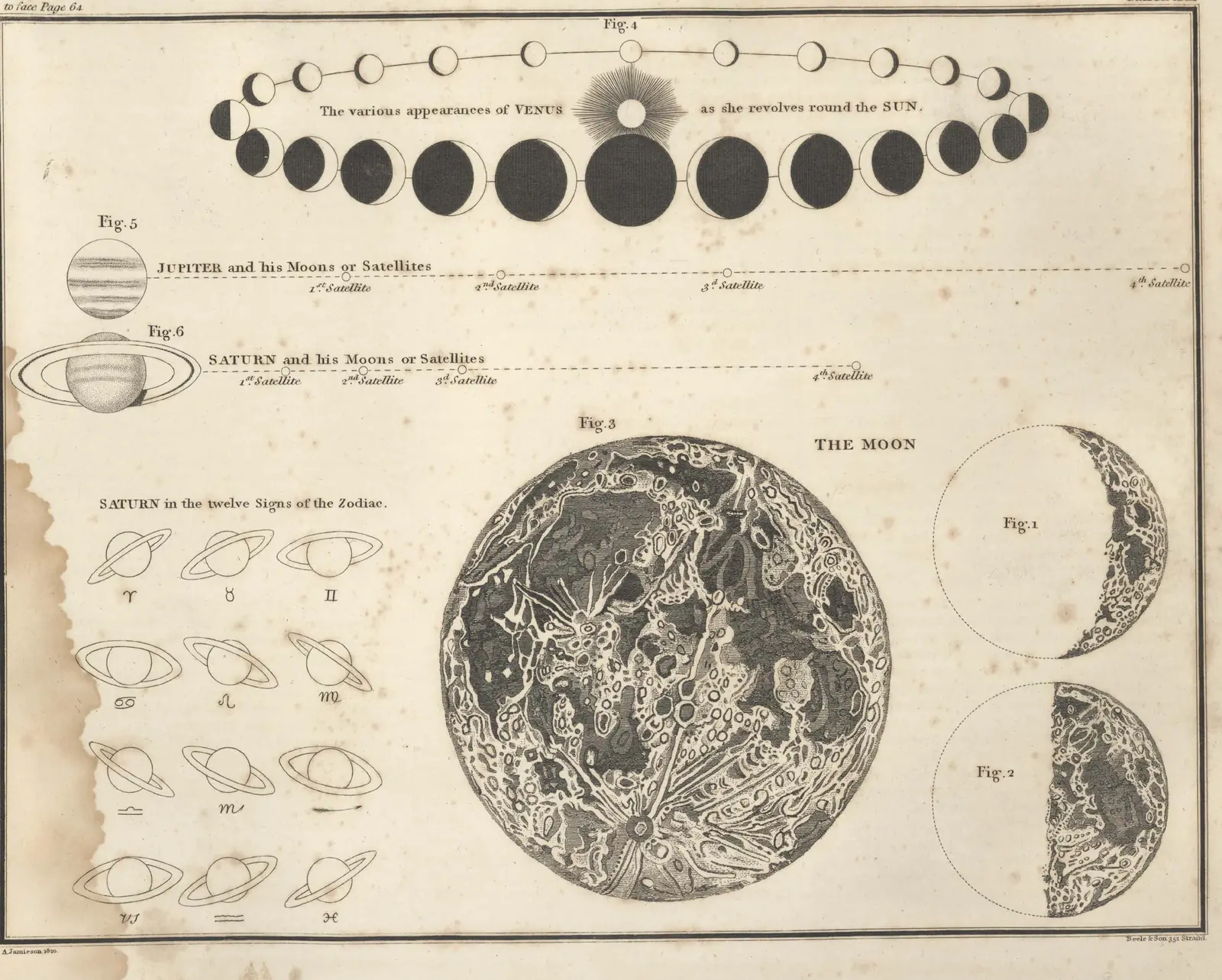
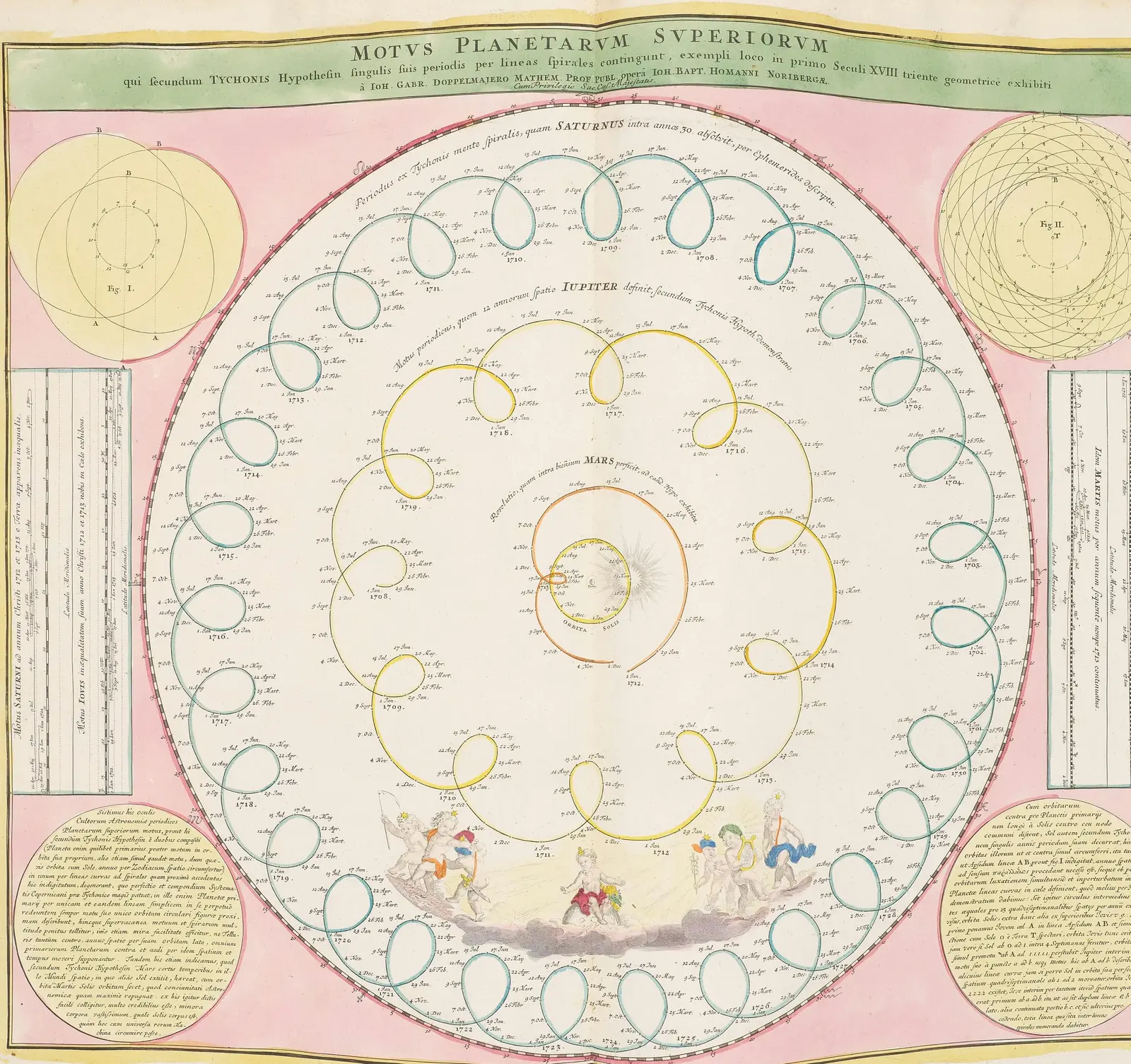
Johann Gabriel Doppelmayr, Atlas Novus Coelestis, 1742
At a glance
Mercury, Mars, Jupiter, Saturn, Uranus, Neptune and Pluto turn retrograde in 2027. Mercury goes back three times, Mars runs Jan 10 to Apr 1, and Venus has no retrograde this year.
- Mercury retrograde
- Feb 9 to Mar 3 · Jun 10 to Jul 4 · Oct 7 to Oct 2867 days in all
- Mars retrograde
- Jan 10 to Apr 1Virgo back into Leo
- Venus
- Not retrograde in 2027next: May 10, 2028
- Retrograde-free stretch
- Apr 13 to May 8about 25 days, all planets direct
- Busiest stretch
- Oct 8 to Oct 17five planets retrograde at once
- First and last station
- Jan 10 · Dec 24Mars first, Saturn last
Download the 2027 retrograde calendar (.ics)43 events, shown in your own time zone. Free, no sign-up.
The year in loops
Every retrograde of 2027, start to finish
Try this today
- Download the .ics file and let your calendar convert every station to your time zone. 43 events, one tap.
- Use the date checker below on a day that matters to you this year: a move, a launch, a trip.
- Save the spring stretch, Apr 13 to May 8, for anything you would rather start with every planet moving forward.
Retrograde stations for any year, 1900 to 2100Which planets were retrograde when you were born
You know the feeling. Someone in the group chat says "Mercury's retrograde," and suddenly every dropped call has an explanation. 2027 gives that friend plenty of material, and a few weeks off.
Here is the shape of the year. Mercury, Mars, Jupiter, Saturn, Uranus, Neptune and Pluto each stop and reverse at some point in 2027. That makes 17 stations in total: 8 turns backward and 9 turns forward. The first comes on Jan 10, 2027, when Mars stations retrograde. The last is Dec 24, 2027, when Saturn stations direct.
Venus is the planet missing from the list. Its last retrograde ended on Nov 14, 2026, and its next does not start until May 10, 2028. So if you have been told to wait out a Venus retrograde before a haircut or a big purchase, 2027 never asks.
The calmest stretch comes in spring. From Apr 13, 2027, when Jupiter turns direct, to May 8, 2027, when Pluto turns back, no planet is retrograde at all. That is the only such window of the year, about 25.4 days long. The busiest is autumn: from Oct 8 to Oct 17 you have five planets retrograde at once, Pluto, Neptune, Saturn, Uranus and Mercury.
A planet does not actually reverse. Retrograde motion is a line-of-sight effect: Earth, on its faster inner track, overtakes an outer planet, or an inner planet laps us, and for a while the other planet seems to drift backward against the stars (Britannica). Astrologers read that apparent backing-up as a season for review rather than launch. That is a tradition, and a useful nudge to double-check things. It is not a forecast.
The sky behind it
Stations are the instants where a planet's geocentric ecliptic longitude stops changing and reverses, found from the sign change of its rate and refined to under a minute. Of the 365 days of 2027 (checked at noon UTC), at least one planet is retrograde on 339 (93%), and three or more on 178.
Mercury
Mercury retrograde 2027: three loops, each from water into air
Try this today
- Put a "back up everything" reminder on Jan 25, May 26, Sep 17: the start of each shadow.
- Use each retrograde for a re-everything list: reread, reply, return, repair.
Mercury retrograde 2027, loop by loopMercury retrograde dos and don'tsAll Mercury retrograde dates
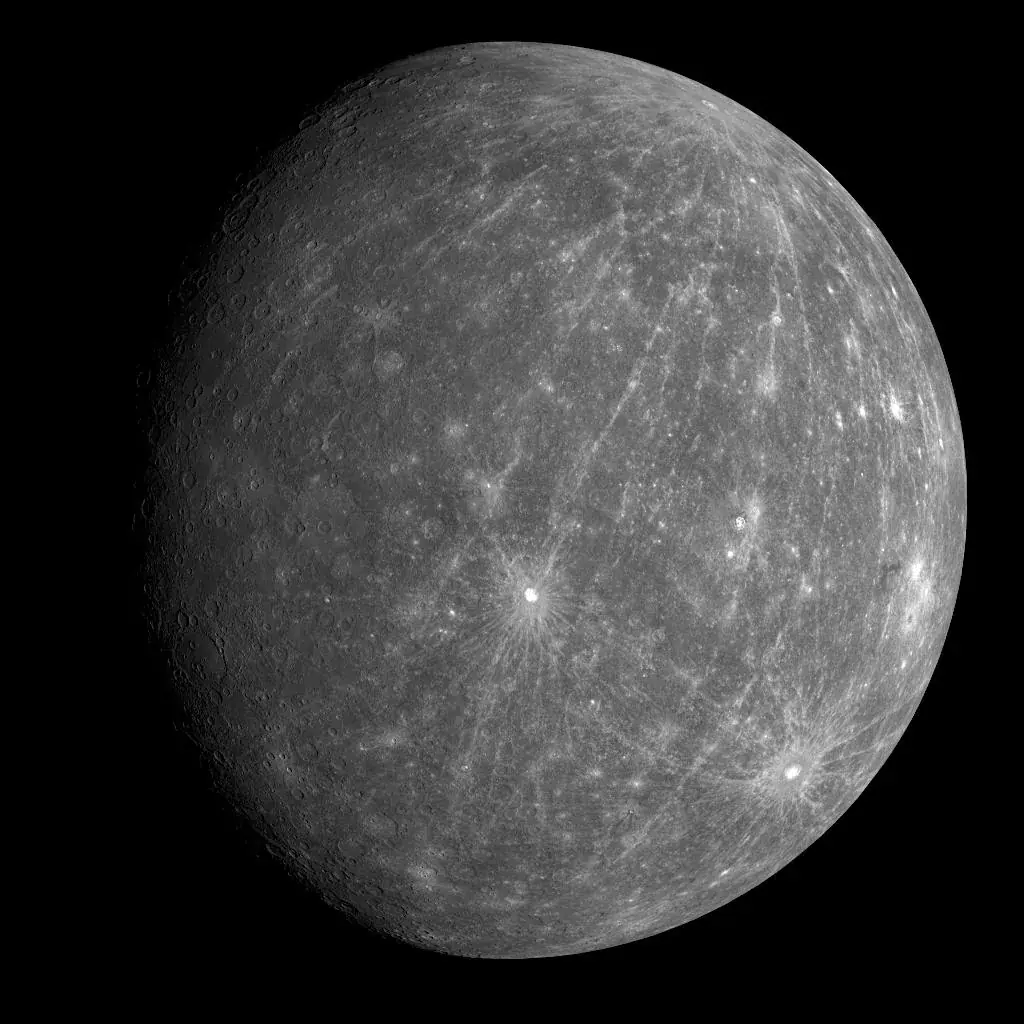
Mercury is the one everyone knows, and in 2027 it turns back three times:
First: Feb 9, 2027 to Mar 3, 2027. Mercury stations at 5°59′ Pisces, backs up to 20°55′ Aquarius, and passes between Earth and the Sun (the cazimi) on Feb 18. The shadow opens on Jan 25 and clears on Mar 23.
Second: Jun 10, 2027 to Jul 4, 2027. Mercury stations at 6°22′ Cancer, backs up to 27°28′ Gemini, and passes between Earth and the Sun (the cazimi) on Jun 23. The shadow opens on May 26 and clears on Jul 19.
Third: Oct 7, 2027 to Oct 28, 2027. Mercury stations at 4°56′ Scorpio, backs up to 19°19′ Libra, and passes between Earth and the Sun (the cazimi) on Oct 19. The shadow opens on Sep 17 and clears on Nov 13.
Notice the pattern. Each loop starts in a water sign (Pisces, Cancer, Scorpio) and finishes in the air sign before it (Aquarius, Gemini, Libra). In the astrological reading, water is feeling and air is talk. A loop that begins in one and ends in the other is a good prompt to say the thing you have been sitting on, then reread it before you hit send.
The practical version is not mystical. Back up your phone before each station. Leave travel buffers. Read contracts twice. Those habits help in any month, and three dates a year is a fine reminder to keep them.
The sky behind it
Mercury is retrograde for 67 days of 2027 and inside a shadow loop for about 168. The three loops span 15.06°, 8.89°, 15.62° of the zodiac.
Mars
Mars retrograde 2027: Virgo back into Leo
Try this today
- Pick one stalled project and use the retrograde to fix its foundations, not to add new features.
- Find Mars after dark near Feb 19. It rises as the Sun sets, so look east at dusk.
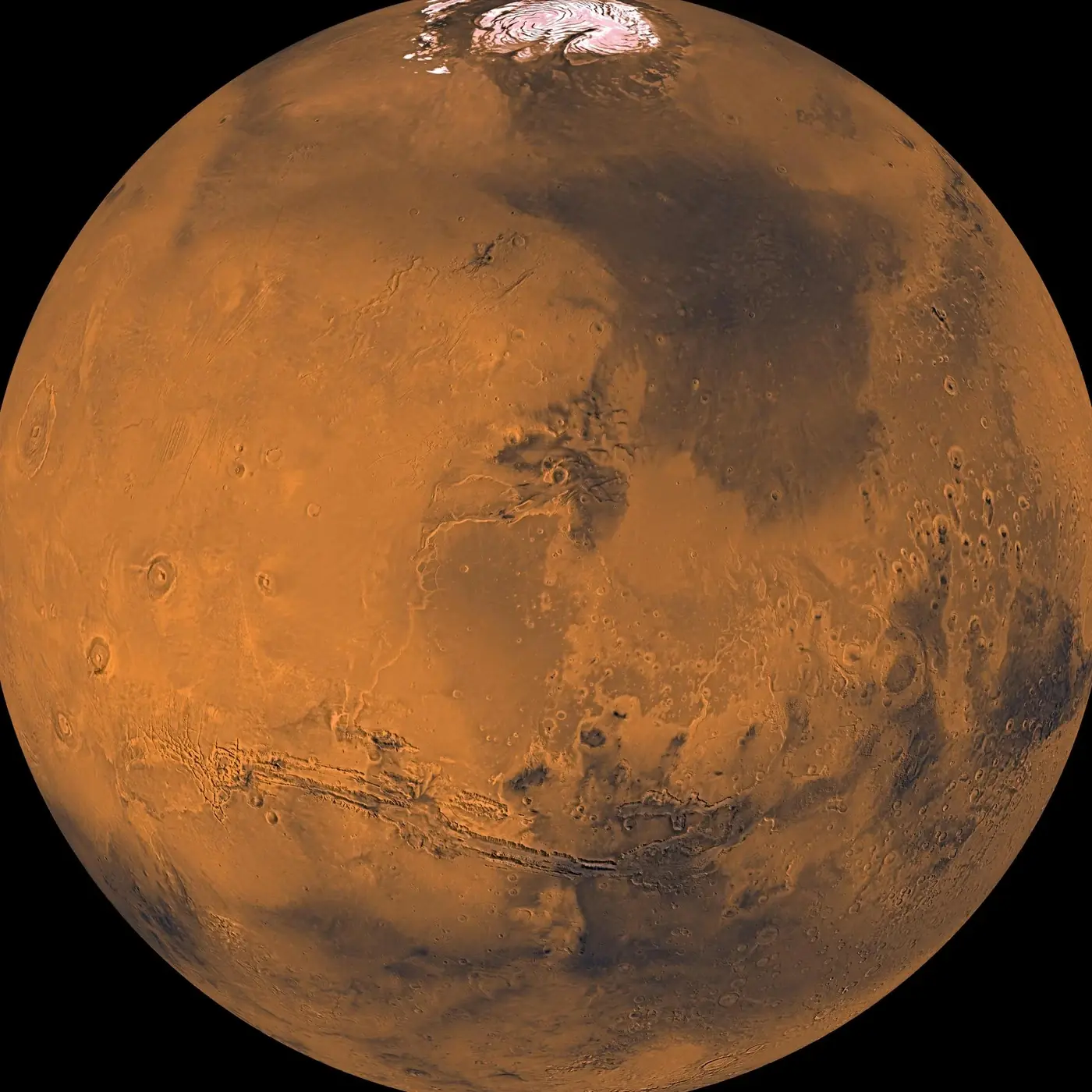
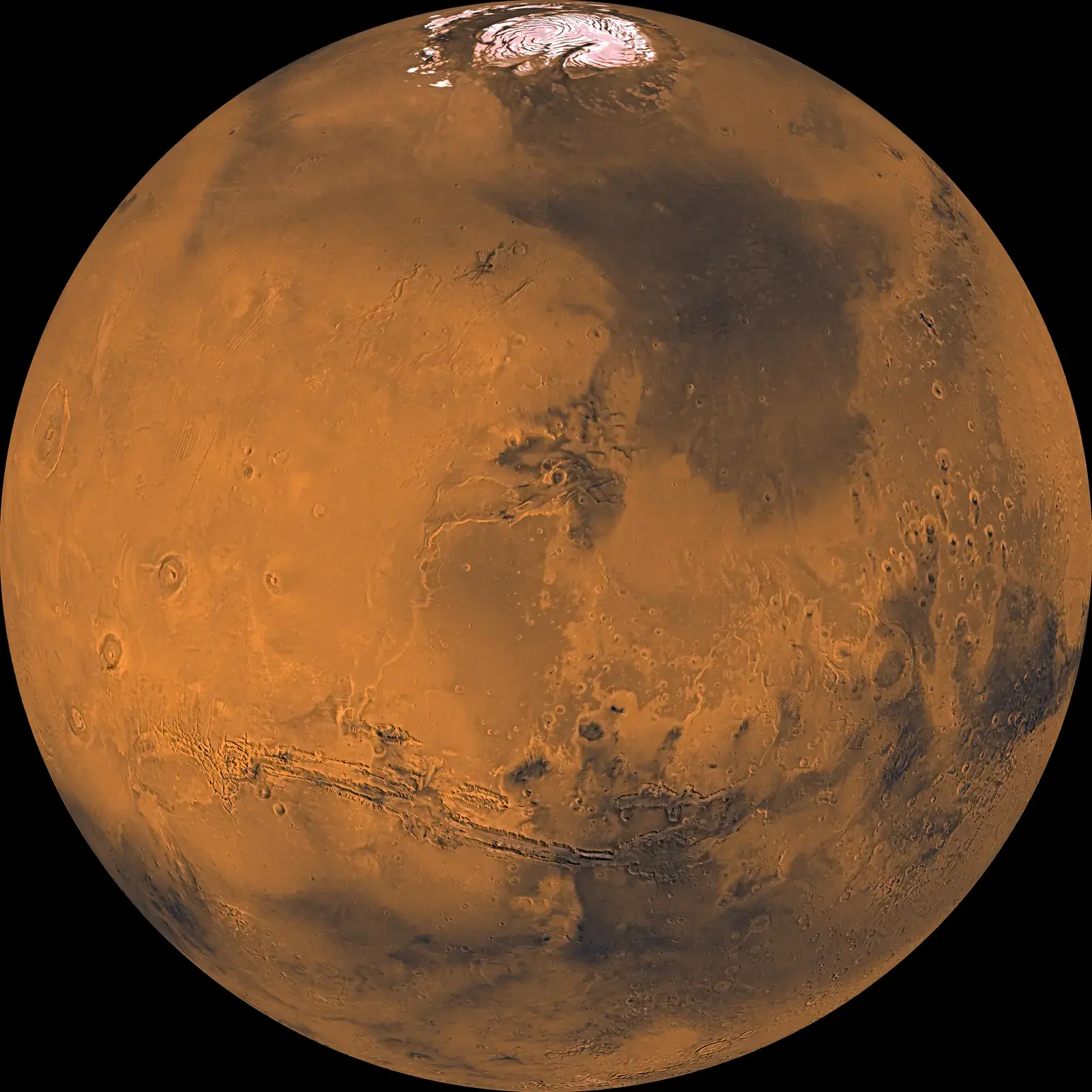
Mars only retrogrades about every two years, and when it does it is a long one. This loop starts before 2027 does.
- Shadow opens: Nov 5, 2026, when Mars first crosses 20°56′ Leo.
- Stations retrograde: Jan 10, 2027 · 12:59 UTC at 10°26′ Virgo.
- Opposite the Sun: Feb 19, 2027, the middle of the loop, when Mars rises around sunset and shines near its brightest for this cycle.
- Stations direct: Apr 1, 2027 · 14:08 UTC at 20°56′ Leo.
- Shadow clears: Jun 8, 2027.
Along the way Mars slips out of Virgo and back into Leo on Feb 21, 2027, and only re-enters Virgo for good on May 14, 2027. That is 81 days backward and 19.5° of zodiac covered three times.
Astrologers tie Mars to drive, effort and anger. A Mars retrograde is traditionally read as a time to repair the engine rather than floor the pedal: finish the training plan you abandoned, fix the thing at work that keeps breaking, have the argument you have been rehearsing, calmly, or decide you do not need it at all. If you want something to look at, go outside around Feb 19: the red point opposite the setting Sun is Mars.
The sky behind it
Mars stations retrograde at ecliptic longitude 160.429° and direct at 140.9266°. Opposition (Mars 180° from the Sun) is Feb 19, 2027 · 15:50 UTC, at 0°46′ Virgo.
Jupiter and Saturn
Jupiter wraps up in Leo; Saturn turns back in late Aries
Try this today
- Mark Apr 13 as a "start the thing" date, and Aug 9 as a "check the thing" date.
- Look up whether you have a planet between 21°01′ Aries and 27°53′ Aries. That is Saturn's 2027 loop.
The big two each spend about four months retrograde every year, so their dates read more like seasons than events.
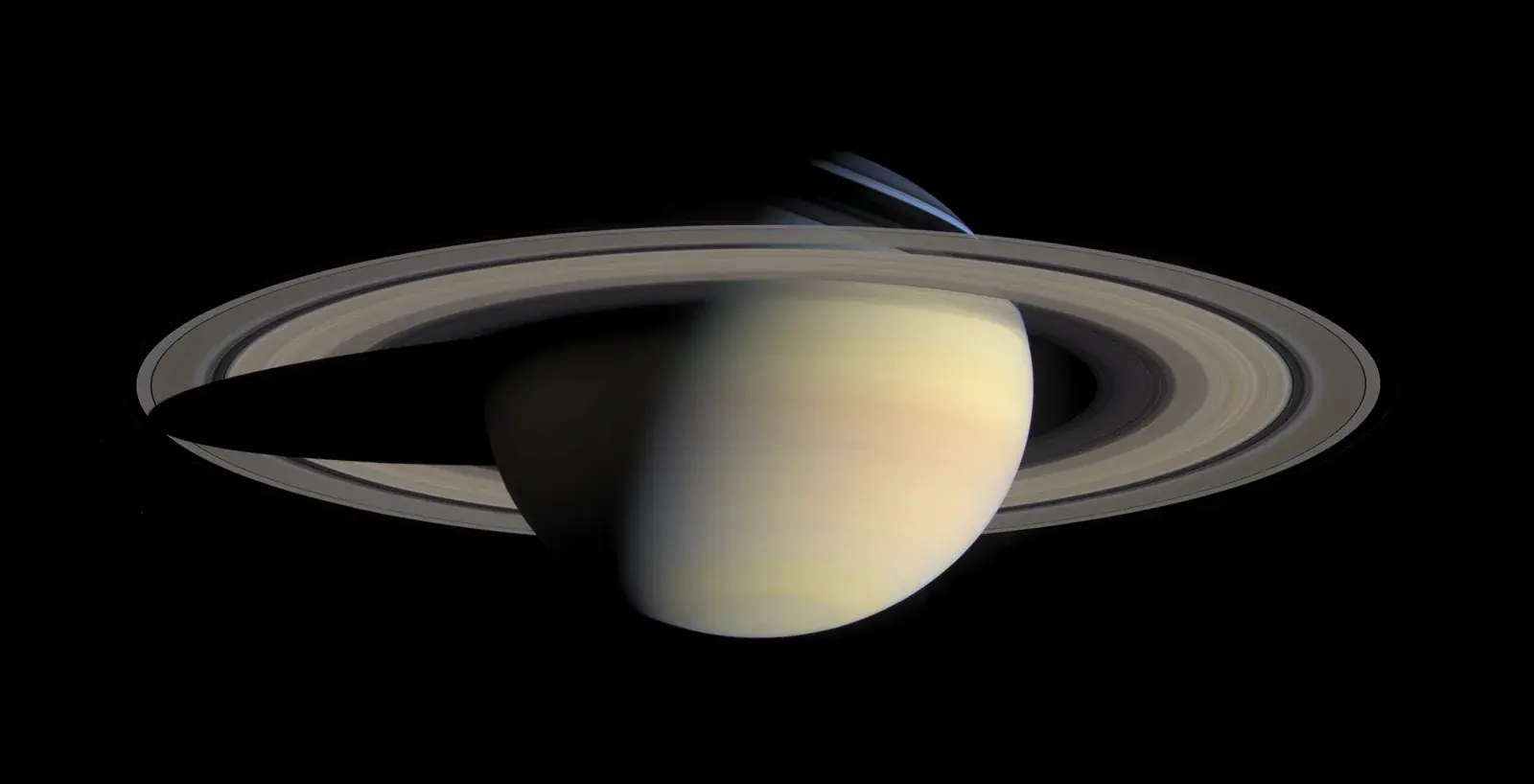
Jupiter begins 2027 already retrograde. It turned back on Dec 13, 2026 at 27°01′ Leo and stations direct on Apr 13, 2027 · 02:11 UTC at 17° Leo. Its shadow clears on Jul 11, 2027. Jupiter does not turn back again until Jan 12, 2028, in Virgo, but its next pre-shadow opens on Oct 17, 2027.
Saturn starts the year moving forward (it turned direct on Dec 10, 2026 at 7°56′ Aries) and clears that shadow on Mar 15, 2027. Its new pre-shadow opens on May 4, 2027, and it stations retrograde on Aug 9, 2027 · 18:06 UTC at 27°53′ Aries, then direct on Dec 24, 2027 · 02:46 UTC at 21°01′ Aries.
In the tradition, Jupiter is growth and Saturn is structure. Jupiter turning direct reads as a green light to act on what you have been planning since winter. Saturn turning back in August reads as a few months to check the foundations of the commitments you made this year. If you were born with planets in late Aries or the middle of Leo, these are the degrees to look at in your chart.
The sky behind it
Jupiter is opposite the Sun on Feb 11, 2027 and Saturn on Oct 18, 2027, the middle of each retrograde. Jupiter's loop covers 10.03°, Saturn's 6.86°.
Uranus, Neptune and Pluto
The outer planets never really leave their shadows
Try this today
- Check your chart for anything at 9°57′ Gemini, 6°40′ Aries or 7°11′ Aquarius. Those are the degrees where the outer planets pause in 2027.
- If nothing sits near those degrees, the outer-planet stations are background, and you can skip them.
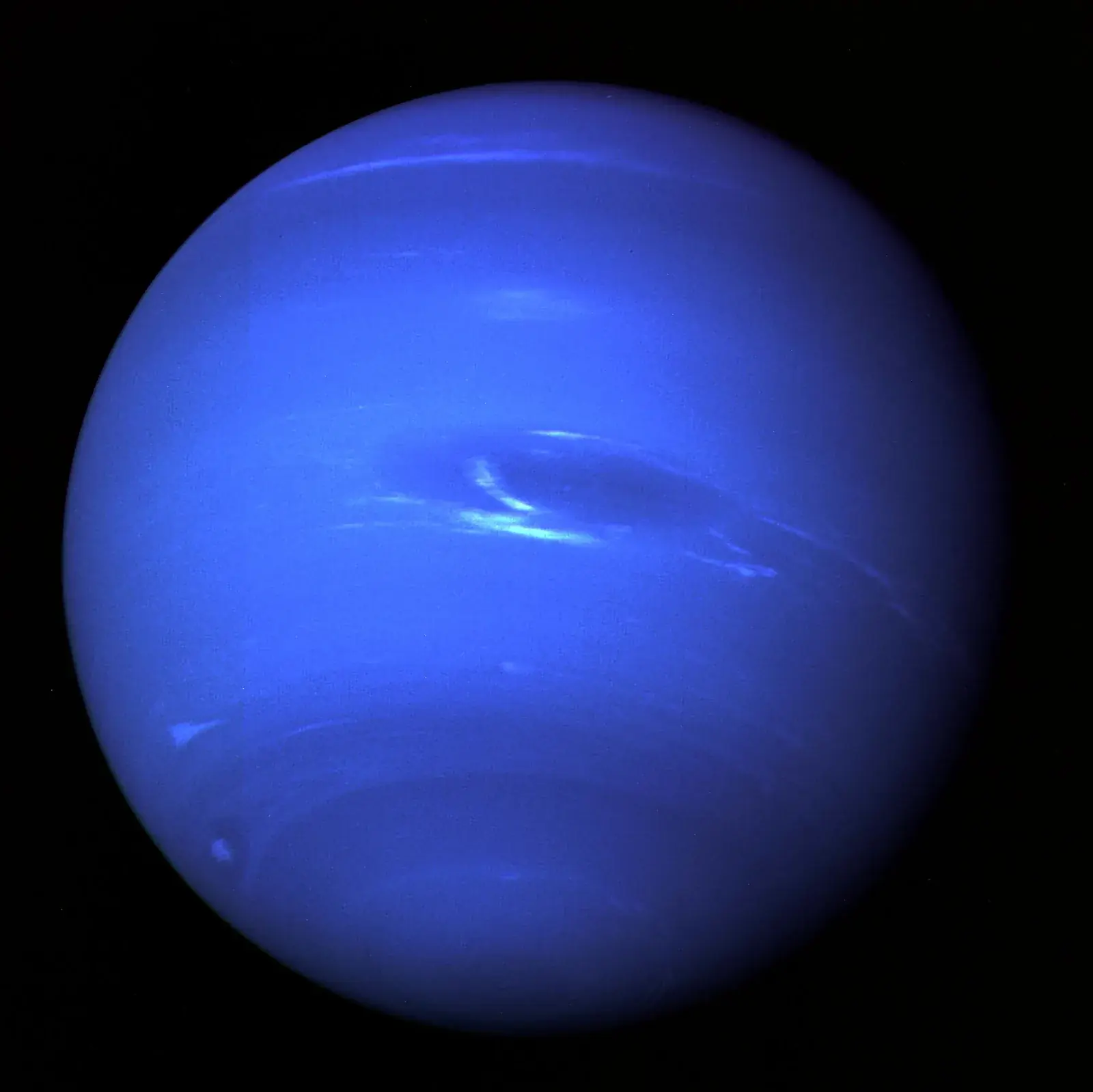
Out past Saturn the planets move so slowly that each year's loop starts before the last one ends. Neptune and Pluto cover only a couple of degrees a year, and each retrograde loop is wider than that, so the new pre-shadow opens while the old post-shadow is still running. The result: Neptune and Pluto are in a shadow every day of 2027, and Uranus is in one for about 361 days.
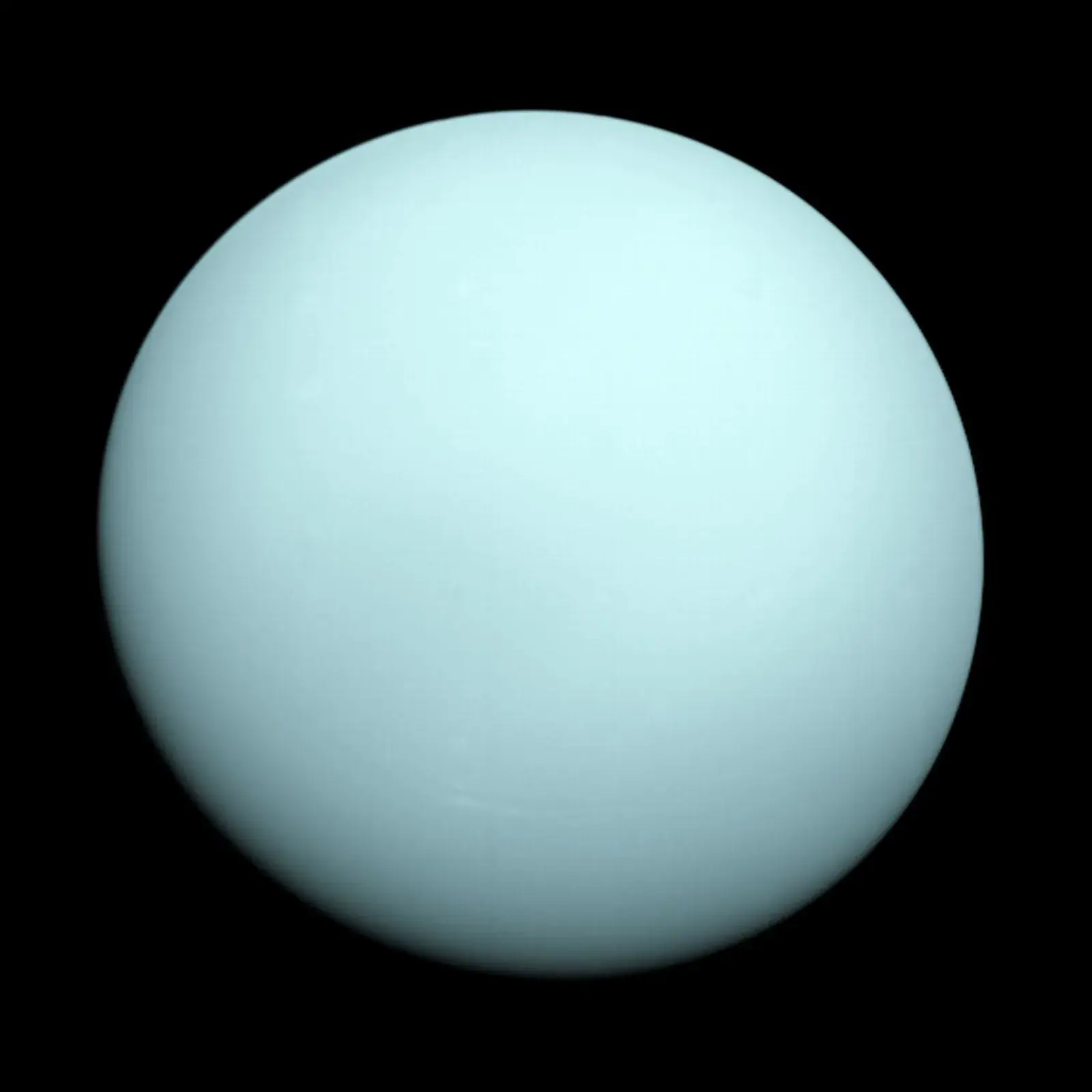
Uranus in Gemini stations direct on Feb 8, 2027 · 12:29 UTC at 1°41′ Gemini, then retrograde again on Sep 15, 2027 · 09:09 UTC at 9°57′ Gemini. It does not turn direct again until Feb 12, 2028.
Neptune in Aries clears its 2026 loop on Apr 2, 2027, stations retrograde on Jul 9, 2027 · 22:41 UTC at 6°40′ Aries, and direct on Dec 15, 2027 · 09:07 UTC at 3°51′ Aries.
Pluto in Aquarius clears its 2026 loop on Feb 7, 2027, stations retrograde on May 8, 2027 · 12:56 UTC at 7°11′ Aquarius, and direct on Oct 18, 2027 · 03:50 UTC at 4°45′ Aquarius.
Because these planets spend close to half of every year retrograde, most astrologers do not treat their retrogrades as events for everyone. They matter when the station degree sits on a planet or angle in your own chart. That is why the exact degrees are worth having.
The sky behind it
Days of 2027 retrograde: Uranus 146, Neptune 158, Pluto 163. Pluto's 2027 pre-shadow opens on Jan 13, 2027, before its 2026 post-shadow ends on Feb 7, 2027.
Check any day
What's retrograde on your date?
Pick a day in 2027 and see every planet's phase: direct, pre-shadow, retrograde or post-shadow, plus the next change. Then see the whole year as bars, and every station in your own time zone.
Friday, January 1, 2027: 2 planets are retrograde.
Jupiter and Uranus are moving backward against the zodiac. Mars, Saturn, Neptune and Pluto are in a shadow, crossing degrees a retrograde has covered or will cover.
- MercuryDirectNext: enters its pre-shadow Jan 25, 2027.
- VenusDirectNo Venus retrograde in 2027.
- MarsPre-shadowNext: stations retrograde Jan 10, 2027.
- JupiterRetrogradefrom 27°01′ Leo back to 17° Leo. Next: stations direct Apr 13, 2027.
- SaturnPost-shadowNext: clears its shadow Mar 15, 2027.
- UranusRetrogradefrom 5°42′ Gemini back to 1°41′ Gemini. Next: stations direct Feb 8, 2027.
- NeptunePost-shadowNext: enters its pre-shadow Mar 18, 2027.
- PlutoPost-shadowNext: enters its pre-shadow Jan 13, 2027.
2027 at a glance
Dark bars are retrograde, light bars are shadow. The line marks your date. Bars run from January 1 to December 31, 2027 (UTC).
Every 2027 station, in your time
- Jan 10, 2027, 12:59 UTCMars stations retrograde at 10°26′ Virgo
- Feb 8, 2027, 12:29 UTCUranus stations direct at 1°41′ Gemini
- Feb 9, 2027, 17:36 UTCMercury stations retrograde at 5°59′ Pisces
- Mar 3, 2027, 12:32 UTCMercury stations direct at 20°55′ Aquarius
- Apr 1, 2027, 14:08 UTCMars stations direct at 20°56′ Leo
- Apr 13, 2027, 02:11 UTCJupiter stations direct at 17° Leo
- May 8, 2027, 12:56 UTCPluto stations retrograde at 7°11′ Aquarius
- Jun 10, 2027, 18:15 UTCMercury stations retrograde at 6°22′ Cancer
- Jul 4, 2027, 19:39 UTCMercury stations direct at 27°28′ Gemini
- Jul 9, 2027, 22:41 UTCNeptune stations retrograde at 6°40′ Aries
- Aug 9, 2027, 18:06 UTCSaturn stations retrograde at 27°53′ Aries
- Sep 15, 2027, 09:09 UTCUranus stations retrograde at 9°57′ Gemini
- Oct 7, 2027, 14:37 UTCMercury stations retrograde at 4°56′ Scorpio
- Oct 18, 2027, 03:50 UTCPluto stations direct at 4°45′ Aquarius
- Oct 28, 2027, 14:10 UTCMercury stations direct at 19°19′ Libra
- Dec 15, 2027, 09:07 UTCNeptune stations direct at 3°51′ Aries
- Dec 24, 2027, 02:46 UTCSaturn stations direct at 21°01′ Aries
Add 2027 retrogrades to your calendar (.ics)
The file holds every station, shadow boundary, cazimi and opposition that falls in 2027 as a short timed event, so your calendar app shows each one in your own time zone.
More to read
Shorter reads. Each opens in place.
Plain words
What a shadow actually is
Picture a planet walking forward, stepping back, then walking forward again over the same patch of floor. The patch it crosses three times is the shadow. The pre-shadow starts when it first reaches the degree where it will later turn direct. The post-shadow ends when it passes the degree where it first turned back. For Mars in 2027 that patch is 20°56′ Leo to 10°26′ Virgo.
Continue readingShow less
Why calendars disagree
Why some sites say a day earlier
A station is one instant. Jupiter's direct station is Apr 13 in UTC but Apr 12 in New York, Pluto's direct station is Oct 18 in UTC but Oct 17 in New York and Saturn's direct station is Dec 24 in UTC but Dec 23 in New York. Slow planets barely move near a turn, so methods that differ slightly can shift the minute by hours. We give UTC plus four local zones.
Continue readingShow less
The planet taking a year off
No Venus retrograde in 2027
Venus turns back about every 19 months. Its last retrograde ran Oct 3, 2026 to Nov 14, 2026; the next runs May 10, 2028 to Jun 22, 2028, starting at 19°41′ Gemini. All of 2027 sits in between.
Continue readingShow less
2027 retrograde dates, computed
Every station of 2027 with local times, then each planet's full loop including shadows that start in 2026 or end in 2028.
| UTC | Planet | Station | Degree | New York | London | Sydney |
|---|---|---|---|---|---|---|
| Jan 10, 2027 · 12:59 UTC | Mars | Retrograde | 10°26′ Virgo | Sun Jan 10, 7:59 am EST | Sun Jan 10, 12:59 pm GMT | Sun Jan 10, 11:59 pm AEDT |
| Feb 8, 2027 · 12:29 UTC | Uranus | Direct | 1°41′ Gemini | Mon Feb 8, 7:29 am EST | Mon Feb 8, 12:29 pm GMT | Mon Feb 8, 11:29 pm AEDT |
| Feb 9, 2027 · 17:36 UTC | Mercury | Retrograde | 5°59′ Pisces | Tue Feb 9, 12:36 pm EST | Tue Feb 9, 5:36 pm GMT | Wed Feb 10, 4:36 am AEDT |
| Mar 3, 2027 · 12:32 UTC | Mercury | Direct | 20°55′ Aquarius | Wed Mar 3, 7:32 am EST | Wed Mar 3, 12:32 pm GMT | Wed Mar 3, 11:32 pm AEDT |
| Apr 1, 2027 · 14:08 UTC | Mars | Direct | 20°56′ Leo | Thu Apr 1, 10:08 am EDT | Thu Apr 1, 3:08 pm BST | Fri Apr 2, 1:08 am AEDT |
| Apr 13, 2027 · 02:11 UTC | Jupiter | Direct | 17° Leo | Mon Apr 12, 10:11 pm EDT | Tue Apr 13, 3:11 am BST | Tue Apr 13, 12:11 pm AEST |
| May 8, 2027 · 12:56 UTC | Pluto | Retrograde | 7°11′ Aquarius | Sat May 8, 8:56 am EDT | Sat May 8, 1:56 pm BST | Sat May 8, 10:56 pm AEST |
| Jun 10, 2027 · 18:15 UTC | Mercury | Retrograde | 6°22′ Cancer | Thu Jun 10, 2:15 pm EDT | Thu Jun 10, 7:15 pm BST | Fri Jun 11, 4:15 am AEST |
| Jul 4, 2027 · 19:39 UTC | Mercury | Direct | 27°28′ Gemini | Sun Jul 4, 3:39 pm EDT | Sun Jul 4, 8:39 pm BST | Mon Jul 5, 5:39 am AEST |
| Jul 9, 2027 · 22:41 UTC | Neptune | Retrograde | 6°40′ Aries | Fri Jul 9, 6:41 pm EDT | Fri Jul 9, 11:41 pm BST | Sat Jul 10, 8:41 am AEST |
| Aug 9, 2027 · 18:06 UTC | Saturn | Retrograde | 27°53′ Aries | Mon Aug 9, 2:06 pm EDT | Mon Aug 9, 7:06 pm BST | Tue Aug 10, 4:06 am AEST |
| Sep 15, 2027 · 09:09 UTC | Uranus | Retrograde | 9°57′ Gemini | Wed Sep 15, 5:09 am EDT | Wed Sep 15, 10:09 am BST | Wed Sep 15, 7:09 pm AEST |
| Oct 7, 2027 · 14:37 UTC | Mercury | Retrograde | 4°56′ Scorpio | Thu Oct 7, 10:37 am EDT | Thu Oct 7, 3:37 pm BST | Fri Oct 8, 1:37 am AEDT |
| Oct 18, 2027 · 03:50 UTC | Pluto | Direct | 4°45′ Aquarius | Sun Oct 17, 11:50 pm EDT | Mon Oct 18, 4:50 am BST | Mon Oct 18, 2:50 pm AEDT |
| Oct 28, 2027 · 14:10 UTC | Mercury | Direct | 19°19′ Libra | Thu Oct 28, 10:10 am EDT | Thu Oct 28, 3:10 pm BST | Fri Oct 29, 1:10 am AEDT |
| Dec 15, 2027 · 09:07 UTC | Neptune | Direct | 3°51′ Aries | Wed Dec 15, 4:07 am EST | Wed Dec 15, 9:07 am GMT | Wed Dec 15, 8:07 pm AEDT |
| Dec 24, 2027 · 02:46 UTC | Saturn | Direct | 21°01′ Aries | Thu Dec 23, 9:46 pm EST | Fri Dec 24, 2:46 am GMT | Fri Dec 24, 1:46 pm AEDT |
| Planet | Shadow opens | Stations retrograde | Stations direct | Shadow clears | Retrograde |
|---|---|---|---|---|---|
| Pluto | Jan 12, 2026 | May 6, 2026 · 15:34 UTC · 5°31′ Aquarius | Oct 16, 2026 · 02:39 UTC · 3°04′ Aquarius | Feb 7, 2027 | 163 days |
| Neptune | Mar 16, 2026 | Jul 7, 2026 · 10:54 UTC · 4°25′ Aries | Dec 12, 2026 · 22:18 UTC · 1°37′ Aries | Apr 2, 2027 | 159 days |
| Saturn | Apr 20, 2026 | Jul 26, 2026 · 19:56 UTC · 14°45′ Aries | Dec 10, 2026 · 23:31 UTC · 7°56′ Aries | Mar 15, 2027 | 137 days |
| Uranus | May 25, 2026 | Sep 10, 2026 · 18:27 UTC · 5°42′ Gemini | Feb 8, 2027 · 12:29 UTC · 1°41′ Gemini | May 26, 2027 | 151 days |
| Jupiter | Sep 17, 2026 | Dec 13, 2026 · 00:56 UTC · 27°01′ Leo | Apr 13, 2027 · 02:11 UTC · 17° Leo | Jul 11, 2027 | 121 days |
| Mars | Nov 5, 2026 | Jan 10, 2027 · 12:59 UTC · 10°26′ Virgo | Apr 1, 2027 · 14:08 UTC · 20°56′ Leo | Jun 8, 2027 | 81 days |
| Mercury | Jan 25, 2027 | Feb 9, 2027 · 17:36 UTC · 5°59′ Pisces | Mar 3, 2027 · 12:32 UTC · 20°55′ Aquarius | Mar 23, 2027 | 22 days |
| Pluto | Jan 13, 2027 | May 8, 2027 · 12:56 UTC · 7°11′ Aquarius | Oct 18, 2027 · 03:50 UTC · 4°45′ Aquarius | Feb 9, 2028 | 163 days |
| Mercury | May 26, 2027 | Jun 10, 2027 · 18:15 UTC · 6°22′ Cancer | Jul 4, 2027 · 19:39 UTC · 27°28′ Gemini | Jul 19, 2027 | 24 days |
| Neptune | Mar 18, 2027 | Jul 9, 2027 · 22:41 UTC · 6°40′ Aries | Dec 15, 2027 · 09:07 UTC · 3°51′ Aries | Apr 4, 2028 | 158 days |
| Saturn | May 4, 2027 | Aug 9, 2027 · 18:06 UTC · 27°53′ Aries | Dec 24, 2027 · 02:46 UTC · 21°01′ Aries | Mar 27, 2028 | 136 days |
| Uranus | May 30, 2027 | Sep 15, 2027 · 09:09 UTC · 9°57′ Gemini | Feb 12, 2028 · 23:49 UTC · 5°56′ Gemini | May 29, 2028 | 151 days |
| Mercury | Sep 17, 2027 | Oct 7, 2027 · 14:37 UTC · 4°56′ Scorpio | Oct 28, 2027 · 14:10 UTC · 19°19′ Libra | Nov 13, 2027 | 21 days |
| Jupiter | Oct 17, 2027 | Jan 12, 2028 · 08:53 UTC · 27°31′ Virgo | May 13, 2028 · 20:00 UTC · 17°32′ Virgo | Aug 11, 2028 | 123 days |
| Planet | Days retrograde in 2027 | Days in a shadow loop in 2027 | Retrograde periods touching 2027 |
|---|---|---|---|
| Mercury | 67 | 168 | 3 |
| Venus | 0 | 0 | 0 |
| Mars | 81 | 158 | 1 |
| Jupiter | 102 | 267 | 2 |
| Saturn | 136 | 315 | 2 |
| Uranus | 146 | 361 | 2 |
| Neptune | 158 | 365 | 2 |
| Pluto | 163 | 365 | 2 |
| Planets retrograde | Days |
|---|---|
| 0 | 26 |
| 1 | 57 |
| 2 | 104 |
| 3 | 134 |
| 4 | 34 |
| 5 | 10 |
All times are UTC. In the Americas the local date can be a day earlier; in Asia and Australia a day later.
Quick answers
What planets are retrograde in 2027?
Mercury, Mars, Jupiter, Saturn, Uranus, Neptune and Pluto all spend part of 2027 retrograde. Venus does not: Venus's next retrograde starts on May 10, 2028. The Sun and Moon never go retrograde.
When is Mercury retrograde in 2027?
Three times: Feb 9 to Mar 3 (Pisces into Aquarius); Jun 10 to Jul 4 (Cancer into Gemini); Oct 7 to Oct 28 (Scorpio into Libra). Counting the shadows, Mercury spends about 168 days of 2027 inside one of its loops. Times to the minute are in the table below.
Is Mars retrograde in 2027?
Yes. Mars stations retrograde on Jan 10, 2027 · 12:59 UTC at 10°26′ Virgo and turns direct on Apr 1, 2027 · 14:08 UTC at 20°56′ Leo, slipping back into Leo on Feb 21. Its shadow runs from Nov 5, 2026 to Jun 8, 2027.
Is Venus retrograde in 2027?
No. Venus retrogrades roughly every 19 months. The last one ran Oct 3, 2026 to Nov 14, 2026, and the next runs May 10, 2028 to Jun 22, 2028. 2027 has no Venus station at all.
Are there any days with no planets retrograde in 2027?
Yes, one stretch. From Apr 13, 2027 · 02:11 UTC, when Jupiter turns direct, to May 8, 2027 · 12:56 UTC, when Pluto stations retrograde, every planet moves forward. That is about 25.4 days. Some planets are still in their shadows then.
When are the most planets retrograde in 2027?
Oct 8 to Oct 17, when five planets are retrograde at once: Pluto, Neptune, Saturn, Uranus and Mercury. On 178 days of the year (checked at noon UTC) three or more are retrograde together.
What is a retrograde shadow?
The stretch of the zodiac a planet covers three times. It first crosses those degrees moving forward (the pre-shadow), then backs over them while retrograde, then crosses them a third time after it turns direct (the post-shadow). The shadow ends when the planet passes the degree where it first stationed.
Why do retrograde dates differ by a day on different websites?
A station is a single instant, and every site quotes it in its own time zone. 3 of the 17 stations in 2027 fall on a different calendar date in New York than in UTC. Slow planets also barely move near a station, so small differences in method shift the minute.
Can I add the 2027 retrograde dates to my calendar?
Yes. The free .ics file on this page holds 43 events: every station, shadow start, shadow end, cazimi and opposition that falls in 2027. Calendar apps show them in your own time zone.