Part 2: The Signs · Chapter 4 of 36 · 10 min
The twelve signs I: Aries through Virgo, as motivations
In this course, a sign is a thirty-degree division of the tropical zodiac and a symbolic condition placed on a planetary function.
A sign is a motive, not a personality
In this course, a sign is a thirty-degree division of the tropical zodiac and a symbolic condition placed on a planetary function. It is not a personality container. When Mars is in Taurus, Mars does not become a Taurus person. The capacity to act, pursue, separate, and defend is recruited by Taurus’s need for continuity and tangible value.
Motivation means what a planetary function is trying to secure, often before the conscious mind supplies a reason. It is not the same as visible behavior. Two people may interrupt a meeting: Mercury in Aries may want the decision moving; Mercury in Gemini may have spotted a new connection; Mercury in Cancer may sense that an emotional fact is being omitted; Mercury in Virgo may need to correct an error. One behavior, four possible motives. A sign is a reason, not a verdict.
The interpretations below are built from three components:
- Element describes the kind of evidence a sign trusts. Fire trusts direct vitality: something in you says go. Earth trusts contact, consequence, and repeatable results. Air trusts distinctions, comparisons, and exchange. Water trusts resonance: changes in tone, closeness, memory, and felt response.
- Mode, also called modality, describes how a sign meets change. Cardinal signs create an opening. Fixed signs maintain what has been established. Mutable signs revise conditions when the existing arrangement no longer fits.
- Ruler means the planet whose priorities host the sign. It is not a little manager issuing orders. Mars lends Aries its concern with agency; Venus lends Taurus cohesion and value; Mercury lends Gemini and Virgo mediation and discrimination; the Moon lends Cancer rhythm and attachment; the Sun lends Leo centrality and authorship.
These are astrology’s internal receipts. The framework comes from a long Western tradition; it was not produced by controlled personality research. Such research has not established sign placements as reliable personality measures or planets as forces that make character happen. Internal coherence is not laboratory proof. Treat each interpretation as a disciplined proposition to test against lived accounts. The tropical zodiac is anchored to equinox and solstice points, but literal northern-season stories cannot carry the whole system on a globe with opposite seasons.
Aries: the motivation to initiate agency
Aries is cardinal fire ruled by Mars. Fire supplies inner ignition, cardinal mode turns ignition into a first move, and Mars prioritizes the ability to act without waiting for full agreement. Aries is motivated to establish agency: to discover what is possible by entering the situation directly.
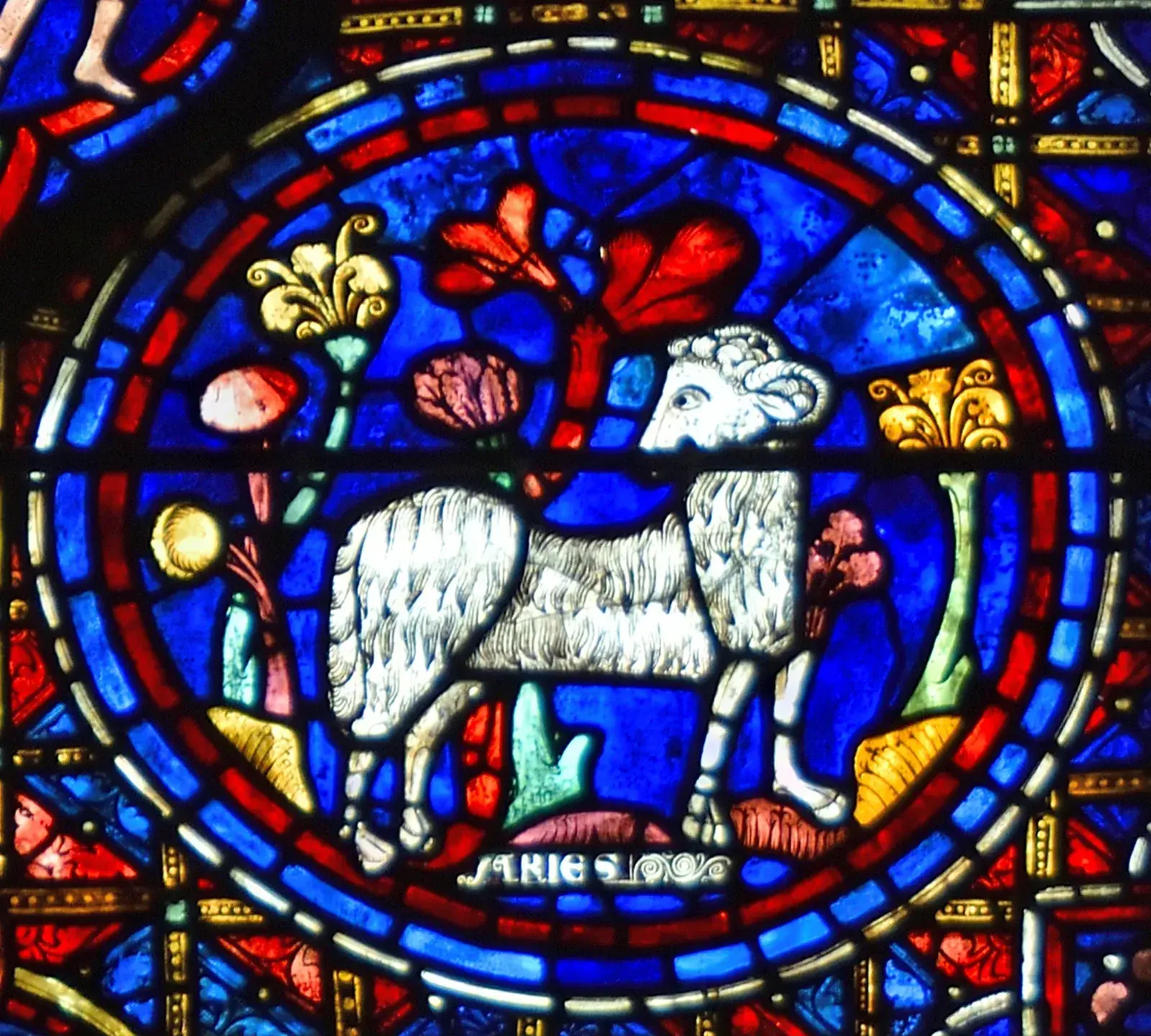
Mercury in Aries often thinks by making a claim and testing what pushes back. Venus in Aries may seek the clarifying spark of chosen desire; affection feels alive when preference can be stated plainly. The Moon in Aries may process emotion through immediate response and restored room to move. None of these placements requires a loud person. A quiet craftsperson who decides quickly, works independently, and learns through direct attempts may be expressing Aries cleanly.
The common reduction is anger. Anger can appear when initiation is blocked, but it is not the sign’s essence. Under strain, Aries may treat urgency as proof of importance, start conflicts simply to restore movement, or abandon a task once the first charge has passed. Its more skillful expression is decisive without being careless: it acts, receives the result, and remains present long enough to learn from impact.
Taurus: the motivation to sustain value
Taurus is fixed earth ruled by Venus. Earth asks what is tangible and workable. Fixed mode keeps contact with what has proved worthwhile. Venus adds attraction, proportion, pleasure, and the power to bind separate things into a stable arrangement. Taurus is motivated to preserve and cultivate value until it becomes dependable.
Mercury in Taurus may need an idea to survive repetition before trusting it. Mars in Taurus often acts when effort promises a durable result; mobilization can take time, but persistence grows once the body is committed. The Moon in Taurus may settle through familiar rhythms, reliable company, and sensory steadiness. These are not signs of shallowness. Material contact can be how the psyche confirms that something is real.
Taurus is often called lazy or materialistic. Both labels confuse strategy with motive. Delay may be an intelligent refusal to spend energy on unstable terms. Possessions may matter because they hold continuity, not status. Under strain, preservation becomes clutching: a routine remains because changing it would disturb the known arrangement. Skillful Taurus distinguishes lasting value from mere familiarity. It knows that keeping everything is another way of choosing nothing.
Gemini: the motivation to maintain mobility through information
Gemini is mutable air ruled by Mercury. Air maps a situation through differences and links. Mutable mode revises the map as conditions change. Mercury carries material between points through speech, symbols, questions, and translation. Gemini is motivated to keep movement possible by increasing the number of usable connections.
Mercury in Gemini may think through conversation, trying several descriptions until one reveals the structure. Venus in Gemini often seeks connection through responsiveness and shared curiosity. Mars in Gemini may test multiple routes rather than force one approach. The Moon in Gemini may name a feeling so that it can be examined from more than one angle. Naming does not make the feeling less genuine; it creates breathing room around it.
Gemini is not automatically talkative, dishonest, or unable to commit. A reserved Gemini placement may collect languages, notice patterns, or maintain several private lines of inquiry. Under strain, options become an escape from consequence. Every commitment is reframed as provisional, and information gathering continues after the useful question has been answered. Skillful Gemini does not need to know everything. It needs to know which distinction changes the map.
Cancer: the motivation to create belonging and continuity
Cancer is cardinal water ruled by the Moon. Water notices what registers through bond and response: a changed tone, an old association, the sense that someone has moved closer or farther away. Cardinal mode acts on that information. The Moon contributes rhythm, memory, dependency, nourishment, and care. Cancer is motivated to create conditions in which vulnerable life can belong and continue.
Mercury in Cancer often hears the history inside a sentence, not only its literal content. Mars in Cancer may mobilize when a person, place, tradition, or project under its care needs protection. The Sun in Cancer may develop purpose through stewardship: keeping a group, archive, family, language, or body of work connected to its roots. Home here is not limited to a building. It is any structure that carries personal continuity.
Cancer is not inherently feminine, parental, domestic, or gentle. Protection can be firm, strategic, and publicly exercised. Under strain, felt data are treated as shared fact: because distance is sensed, rejection is assumed; because care is offered, loyalty is expected. Care that never asks can become control. Skillful Cancer names the bond it is protecting and leaves room for the other person’s account.
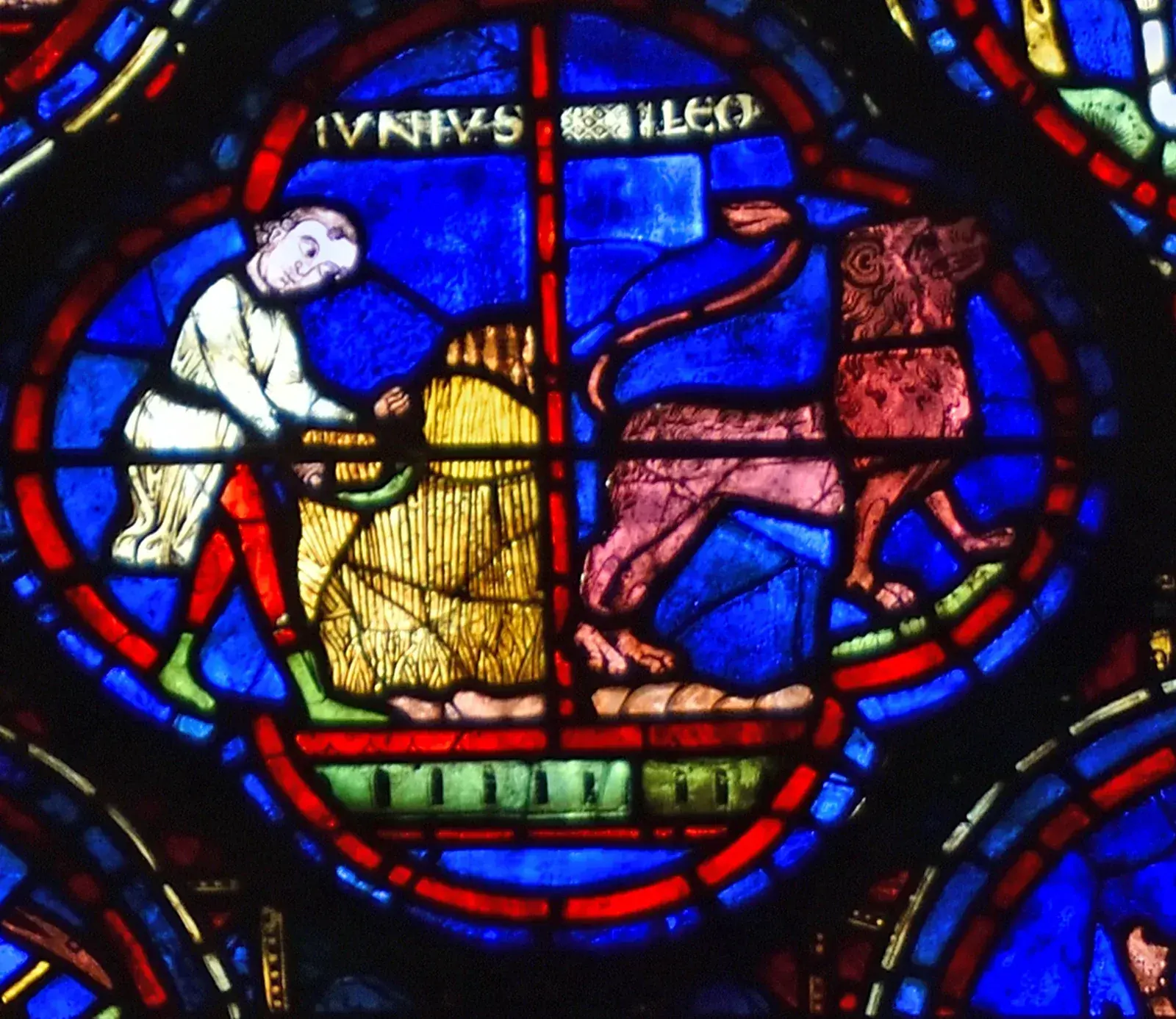
Leo: the motivation to sustain creative authorship
Leo is fixed fire ruled by the Sun. Fire supplies the impulse to express life from within. Fixed mode keeps that expression coherent over time. The Sun’s rulership gathers experience around a center: this is mine to choose, make, and stand behind. Leo is motivated to author something recognizably its own and to receive a truthful response to that creation.
Mercury in Leo may speak through story, emphasis, and a clear point of view. Venus in Leo often makes affection deliberate and visible, turning care into an offering rather than an implication. The Moon in Leo may need warmth and dignity in emotional exchange. Recognition matters, but recognition is not necessarily applause. A shy Leo placement may create for one trusted witness and still care deeply that the work is seen accurately. Radiance is not volume.
The usual reduction is attention-seeking. Under strain, witness becomes validation on demand, disagreement feels like erasure, or performance replaces contact. Yet refusing all visibility can be another form of preoccupation with exposure. Skillful Leo takes responsibility for what it puts into the world. It can hold the center without making every moment about itself, and it can appreciate another person’s light without experiencing less of its own.
Virgo: the motivation to improve fit and function
Virgo is mutable earth ruled by Mercury. Earth tests ideas against consequence. Mutable mode adjusts the procedure when the result exposes a mismatch. Mercury detects differences, sequences, exceptions, and missing links. Virgo is motivated to improve the fit between intention and actual conditions: to make the thing work, then make it work with less waste and fewer avoidable errors.
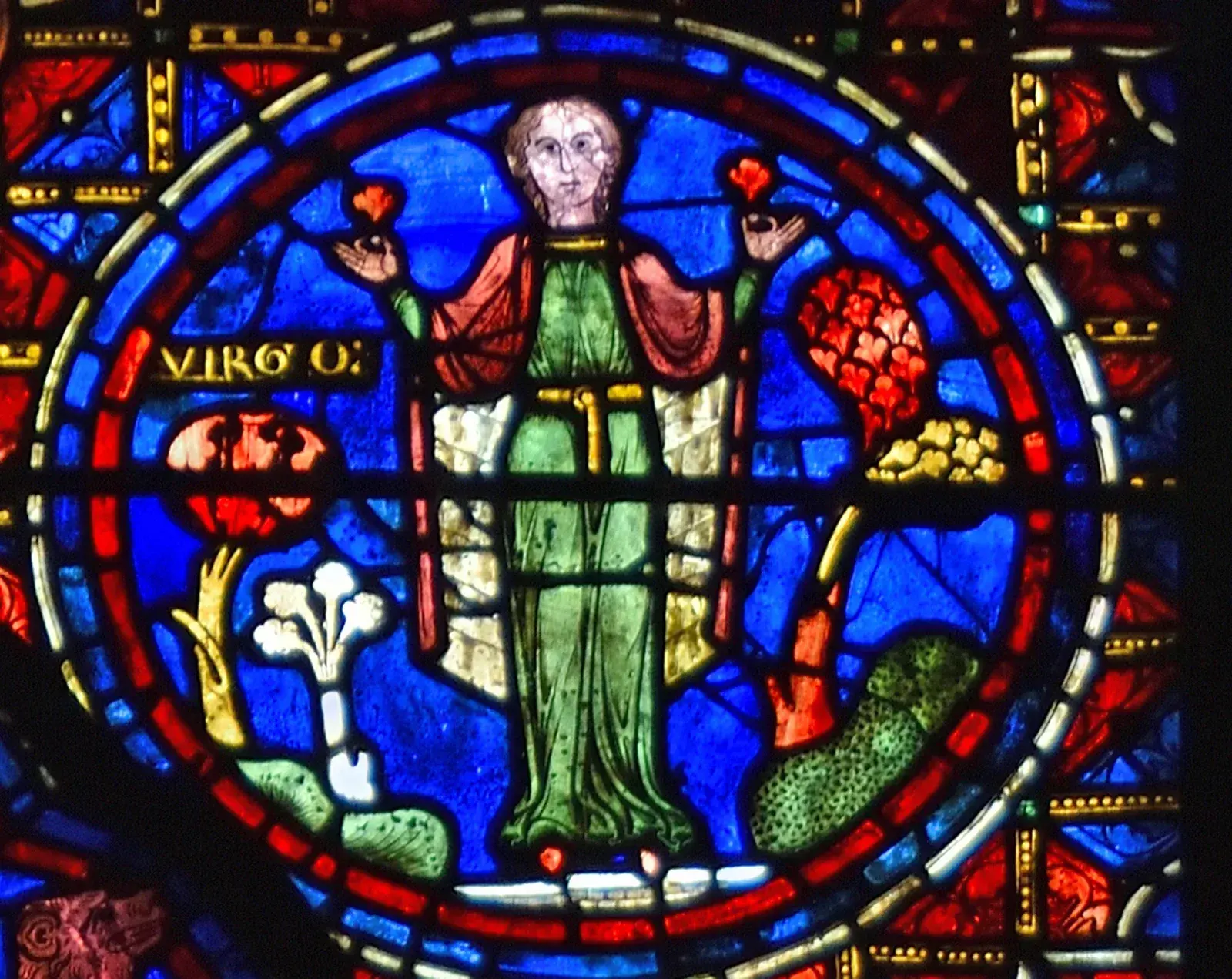
Mercury performs differently here than in Gemini. Gemini’s Mercury multiplies connections between points; Virgo’s Mercury checks whether those connections hold when applied. Mars in Virgo may act by repairing, editing, sorting, or practicing a technique. The Moon in Virgo may settle when a difficulty has been named precisely and the next workable step is visible. The Sun in Virgo may build purpose through competence, not because usefulness earns existence, but because careful participation feels meaningful.
Virgo is not synonymous with tidiness, purity, service, or perfectionism. A messy workbench producing accurate work may express Virgo better than an immaculate system no one can use. Perfectionism is one possible response to anticipated error, not the sign’s core. Under strain, diagnosis replaces participation: the standard keeps moving, flaws dominate attention, and preparation never becomes application. Skillful Virgo knows when further refinement no longer serves the purpose. Precision earns its keep by stopping.
Worked mini-example: two motivations under pressure
Suppose a chart has the Sun at 14°23′ Leo and Mars at 17°08′ Taurus. Converted to zodiacal longitude, the Sun is at 134°23′ and Mars at 47°08′. Their separation is 87°15′. A square is exact at 90°, so the orb—the distance from exactness—is 2°45′. Most natal practices would accept that as a close Sun–Mars square, though orb policies differ and should be stated rather than smuggled into an interpretation.
A square describes functions pressing on one another because their operating strategies do not easily coordinate. It does not promise an event, a defect, or permanent conflict. The Leo Sun is motivated to establish coherent authorship: the person wants choices and creations to carry a recognizable signature. Mars in Taurus is motivated to apply effort where a durable result can be built and retained.
One expression might be a person who announces a bold direction, then refuses to rush its construction. Another might work patiently for months and reveal the result with unmistakable dramatic force. Under strain, the Leo function may experience Taurus pacing as obstruction, while Mars experiences the demand for visible momentum as wasteful pressure. Integrated, the combination can produce enduring work with a strong personal stamp.
You would test the interpretation with questions, not declarations. Where do you need the result to carry your signature? What happens when other people rush your pace? When expression and durability compete, which do you protect first? One aspect cannot tell you which possible expression has become habitual.
Common mistakes and their corrections
- Turning motivation into a fixed behavior. Silence can serve Aries by refusing to surrender initiative, Taurus by preserving calm, Gemini by gathering information, Cancer by protecting a bond, Leo by withholding an insincere performance, or Virgo by declining to state what remains unverified. Ask what the behavior is trying to secure.
- Replacing the whole chart with the Sun sign. The sentence I am an Aries compresses one planetary placement into an identity claim. Say the Sun is in Aries, then interpret what Aries motivates in the solar function. Other planets may support, complicate, or redirect that motive.
- Treating signs and houses as synonyms. Aries is not the first house, Taurus is not the second, and Virgo is not the sixth. A sign describes motivational conditions; a house describes the area of life in which a function becomes concrete. An Aries planet can occupy any house, and a first-house planet can occupy any sign.
- Blending signs at a cusp without a stated method. Under standard thirty-degree boundaries, a planet at 29°59′ Aries is in Aries; at 0°00′ Taurus it is in Taurus. A late degree may be sensitive to uncertain birth data, especially for the Moon, but proximity alone does not create a hybrid sign. Apparent mixture often comes from other placements or aspects.
- Moralizing modes and elements. Cardinal does not mean brave, fixed does not mean stubborn, and mutable does not mean unreliable. Fire is not superior to water, nor earth more realistic than air. Each describes a strategy with suitable and unsuitable contexts. Every strength invoices you somewhere.
Practice
Choose three planetary placements in Aries through Virgo. For each, complete this sentence without using trait adjectives:
The planetary function seeks [sign motivation] by [strategy], especially when [condition].
Then write one behavior that could contradict the usual stereotype while still serving the sign’s motive. Explain a quiet Aries, a flexible Taurus, a private Gemini, a firm Cancer, a shy Leo, or a disorderly Virgo.
For degree practice, place Mercury at 26°40′ Gemini and the Moon at 29°10′ Virgo. Calculate their separation and square orb before interpreting them. Check afterward: the separation is 92°30′, giving a 2°30′ orb.
Finally, collect one lived example that supports your interpretation and one that does not. If every example fits, your wording is probably too elastic.
Key terms
sign · motivation · planetary function · element · mode · modality · ruler · cardinal · fixed · mutable · fire · earth · air · water · orb · square
Check your reading
Three questions from this chapter’s worked example and its common mistakes. Two of three marks the chapter complete.
How does the chapter define a sign?
Sun at 14°23′ Leo and Mars at 17°08′ Taurus form which aspect?
Is Aries the same thing as the first house?