AI astrology · Prompt builder
The ChatGPT birth chart prompt that brings its own placements
Chatbots are good at talking about a chart and shaky at calculating one. So do the maths first, here, to the arcminute, and hand over a prompt it cannot get wrong.
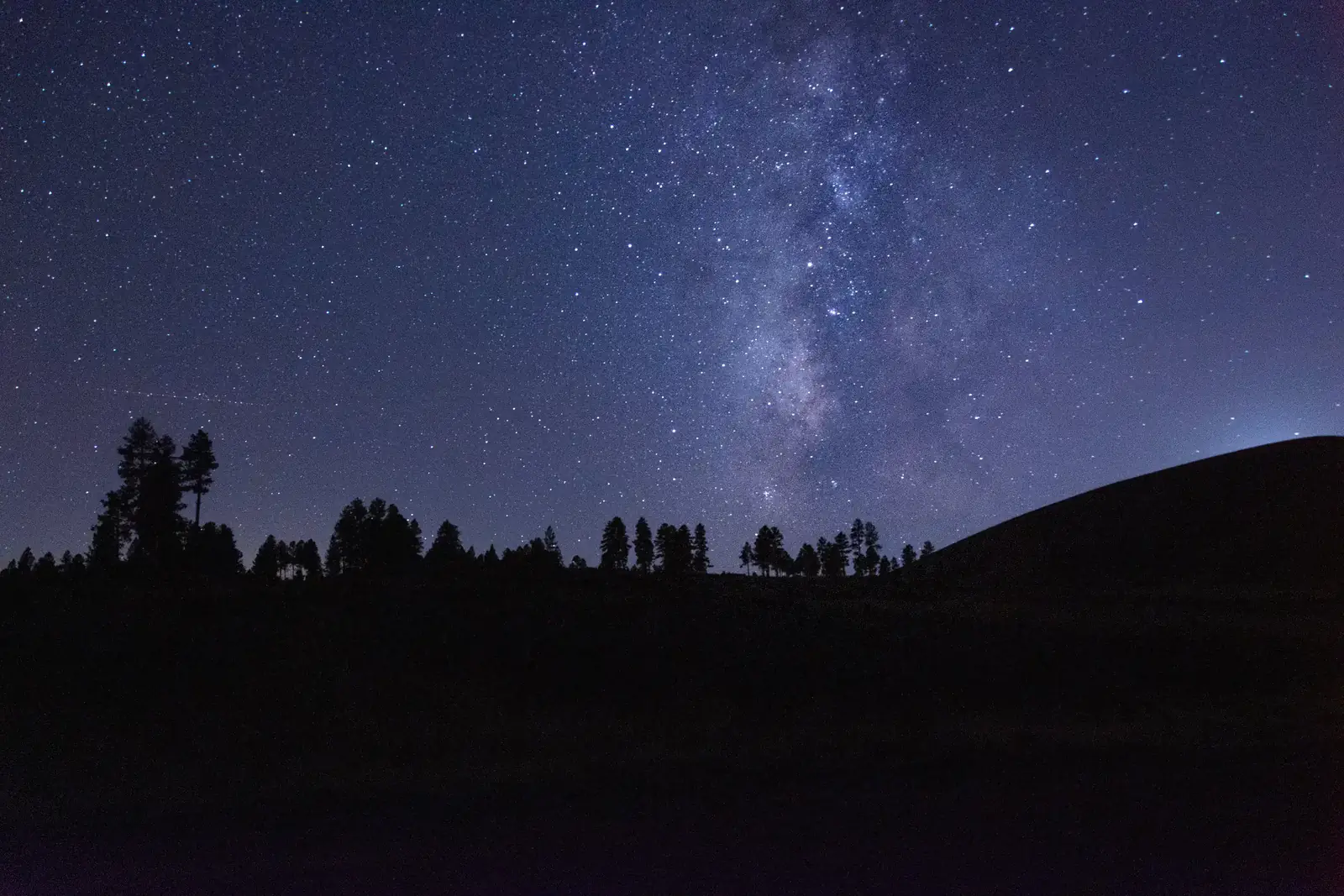
Photo: Mikey Harris / Unsplash
At a glance
Don't ask ChatGPT to work out your chart. Give it the finished placements to the degree, name the house system, list the aspects and tell it not to recalculate.
- What to paste
- 14 points10 planets, both nodes, Ascendant, MC
- Name the houses
- Whole Signor whatever system you use, stated
- One-hour DST slip
- Cancer rising → Geminiin our fictional test chart
- Tool accuracy
- within 18.3″of JPL DE442, all planets, 40 test dates
- Cost
- Freecomputed in your browser
Build your promptStarts with a worked example, about 482 words.
The problem
Why ChatGPT gets your placements wrong

Try this today
- Ask any chatbot for your rising sign, then compare it with the builder below. If they differ, you know which one did the maths.
- Born in early spring or late autumn? Check whether daylight saving time was on that day. It is the slip people miss most.
Is ChatGPT good at astrology? A test you can repeatWhy your rising sign differs between apps
You type your birthday, your birth time and your city, hit enter, and get four confident paragraphs about your Scorpio Moon. It reads well. It might even feel true. The question is whether your Moon is in Scorpio at all.
A chatbot like ChatGPT writes by predicting likely text. Working out a chart is a different job: convert local time to UTC, apply the right daylight saving rule for that town in that year, find where ten bodies were against the stars, then work out which sign was rising at that minute and place. Astrology software does this with an ephemeris, a table of planetary positions built from astronomical models. A chatbot only does it if it switches on a code or search tool, and you usually cannot see whether it did. OpenAI's help pages say plainly that ChatGPT can produce incorrect or misleading answers, sometimes while sounding confident (OpenAI).
We have not measured how often any chatbot slips, so we will not quote a number. What we can show is how little it takes. Our worked example is a fictional test birth: November 2, 2003 at 9:15 p.m., in Austin, Texas, USA. Daylight saving time had ended a week before, on October 26, 2003. If anything assumes summer time was still running, the birth shifts one hour, and the chart changes like this:
- Correct (UTC-6): 6°53′ Cancer rising, Moon 3°57′ Pisces
- Daylight saving wrongly applied: 23°04′ Gemini rising, Moon 3°25′ Pisces
The rising sign flips from Cancer to Gemini, and with whole sign houses every planet moves one house. The Moon stays in Pisces, so the reading would sound right and be quietly wrong.
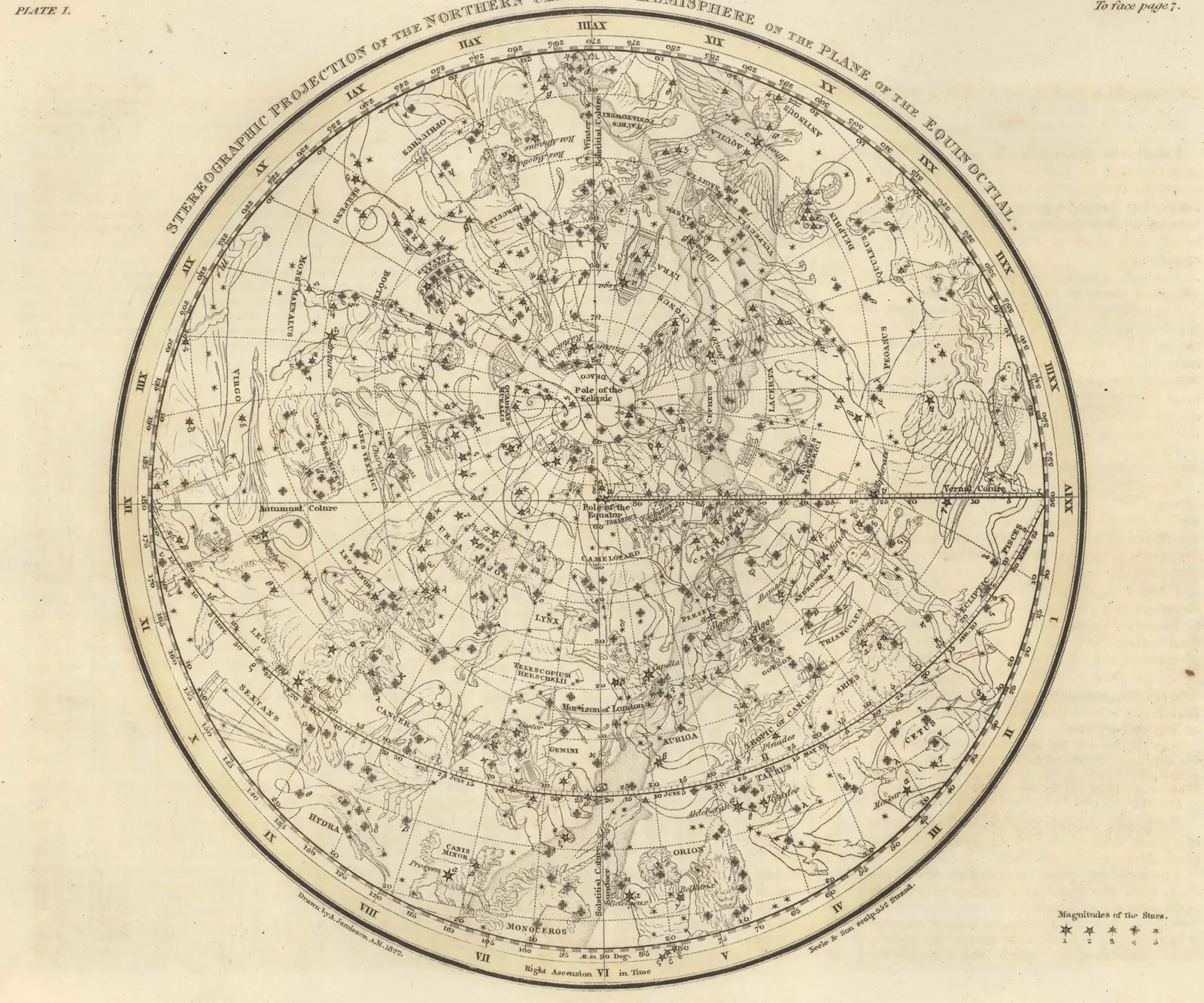
The sky behind it
Example chart computed with skyfield and JPL DE442 for 2003-11-03T03:15:00Z UTC (30.2672° N, 97.7431° W), then checked against the Swiss Ephemeris: every planet agrees within 0.3 arcseconds. The slip case uses 2003-11-03T02:15:00Z UTC.
The fix
What a good birth chart prompt actually contains
Try this today
- Keep the rules block even when you shorten the prompt. It does most of the work.
- Switch the privacy chip to "Placements only". The reading needs positions, not your birthday.
A strong prompt reads less like a wish and more like a brief you would hand a human astrologer. It has five parts, and the builder fills in all of them.
- A role. One line: you are an experienced Western astrologer. It sets the vocabulary.
- Rules. Do not recalculate. Tropical zodiac. Name the house system. Use only the listed aspects. Say when something is missing instead of guessing. OpenAI's own prompting advice is to be specific and detailed about the context, outcome, length and format you want (OpenAI).
- The chart. Every planet to the arcminute, with its house and a retrograde flag, plus the Ascendant, Midheaven, chart ruler, both nodes and an element count.
- The aspects, with orbs. Without a list, a model can describe a square that is not in your chart. With a list, any extra aspect is easy to spot.
- The ask. What you want read, the tone, the length, and one quiet trick: ask it to repeat your Sun, Moon and Ascendant first. If that line is wrong, stop there.
In our example the tightest aspect is Sun square Neptune, only 0.15° from exact. That is the kind of detail a reading should lean on, and the kind a model will only use if you give it.
Prompts worth saving
The best astrology prompts for ChatGPT, by what you want to know
Try this today
- Run the same chart through two readings, say love and career, and notice which placements show up in both. Those are your chart's loud notes.
- Ask a follow-up after the reading: "Which of these placements did you rely on most?" It should quote them back from the list.
Once your placements are in the prompt, the question at the end is the only part you change. The builder has seven, each pointed at the parts of the chart astrologers traditionally read for that topic.
- Full natal reading: Ascendant, Sun and Moon first, then the chart ruler, then planets by house, grouped into themes.
- Big three deep dive: Sun, Moon and rising, how they work together and where they pull apart.
- Love and relationships: Venus, Mars, the Moon, the 5th and 7th houses and the Descendant.
- Career and work: the Midheaven, the 10th, 6th and 2nd houses, Saturn and the chart ruler, with no job titles predicted.
- Growth and shadow work: Saturn, Pluto, the 8th and 12th houses, the nodes and the hard aspects, kept kind.
- My 2027 year ahead: the computed 2027 sign changes of the slow planets, mapped onto your houses, with an instruction not to invent eclipse or retrograde dates.
- Teach me my chart: a patient tutor that uses your placements as the examples and ends with a glossary.
Tone and length are separate chips. "Skeptic-friendly" is there on purpose: it asks the model to present astrology as a symbolic tradition and to flag which ideas are classical and which are modern.
Trust, then verify
How to check a ChatGPT astrology reading in two minutes

Try this today
- Paste the example prompt first, before your own. You know every right answer, so it is a free test of the chatbot you use.
- If a check fails, reply "Use only the placements I gave you" and ask again. It usually corrects itself, and if it does not, start a fresh chat.
A reading can be lovely and still be about someone else's chart. These four checks catch most problems, and the builder prints them for your own chart under the prompt.
1. The echo. The prompt asks the model to repeat your Sun, Moon and Ascendant before it starts. For the example that line should read Sun 10°16′ Scorpio, Moon 3°57′ Pisces, Ascendant 6°53′ Cancer.
2. A house spot check. Pick one planet and confirm its house. In the example, Venus is at 0°17′ Sagittarius, which is the 6th house in whole signs. Venus is only 0° into its sign, so a model that rounds or guesses could easily drop it back into Scorpio.
3. The aspect count. The example has 17 aspects inside the stated orbs. If the reading discusses one that is not on the list, it was invented.
4. Retrogrades. In the example only Saturn and Uranus were retrograde at birth. A reading that calls Mercury retrograde here is improvising.
For a fuller test, with reference charts built around tricky cases like half-hour time zones and planets on a cusp, see our repeatable ChatGPT astrology test.
Common mix-ups
Houses, nodes and cusps: what chatbots most often blur
Try this today
- If your chart from another app gives different house numbers, check which house system it uses before you decide either is wrong.
- Look at how close each planet is to a sign edge. Anything under 1° (like the example Venus at 0°17′ Sagittarius) is worth a second look in any chart.
Some disagreements are not errors at all. They are different conventions, and the trouble starts when a reading mixes them.
House systems. Placidus, Whole Sign, Koch and Equal can put the same planet in different houses. Neither is a mistake; they divide the sky differently (Wikipedia)). The prompt names Whole Sign so the model cannot drift. To compare the two, see whole sign vs Placidus.
Mean or true node. The lunar node has a smoothed "mean" position and a wobbling "true" one, usually within a degree or two of each other (Wikipedia). The builder uses the mean node and says so. In the example it is at 20°49′ Taurus, 11th house.
Tropical or sidereal. Western astrology uses the tropical zodiac, tied to the seasons. Vedic astrology uses the sidereal zodiac, now about 24° behind. A model that blends the two can shift almost every planet a sign. The prompt rules this out in one line. For the difference, see sidereal sign calculator.
Points it does not have. Chiron, Lilith and the asteroids are not in the list. The prompt tells the model to say they are missing instead of supplying a guess, and you can look them up with our Lilith calculator.
Prompt builder
Build your ChatGPT birth chart prompt
Enter your birth details and the builder calculates 14 chart points, the houses and the aspects in your browser, then writes one prompt to copy. Pick the reading, the tone and the length. The box starts with the worked example (a fictional Cancer rising chart) so you can try it before you type a thing.
1. Your birth details
The positions are calculated here in your browser. The prompt box below starts with a fictional test chart (November 2, 2003 at 9:15 p.m., Austin, Texas, USA) so you can see the format before you type anything.
2. What should it read?
Reading
Tone
Length
Privacy
3. Copy and paste
Example: Scorpio Sun, Pisces Moon, Cancer rising
Sun
10°16′ Scorpio
5th house (whole sign)
Moon
3°57′ Pisces
Rising
6°53′ Cancer
MC 22°21′ Pisces
4. Check the reply
Thirty seconds, before you believe a word of it:
- Its first line should read Sun 10°16′ Scorpio, Moon 3°57′ Pisces, Ascendant 6°53′ Cancer. Anything else means it recalculated.
- Venus (0°17′ Sagittarius) should sit in your 6th house. If it names another house, it has switched house system.
- Your chart has 17 aspects in the list. Any aspect it adds beyond those is made up.
- Retrograde at birth: Saturn, Uranus. It should not call any other planet retrograde.
More to read
Shorter reads. Each opens in place.
No birth time?
A prompt for when you don't know your birth time
Tick "I don't know the birth time". The prompt drops the Ascendant, Midheaven and houses, gives the planets for noon, and tells the model the Moon's range for the whole day, including both signs if it changed sign. That keeps the reading honest. To narrow it down, try rising sign without birth time.
Continue readingShow less
Privacy
What you are actually pasting
By default the prompt contains placements only: no name, birthday or town. Positions are computed in your browser. The place search sends the town name to our server to look up its coordinates; your birth date and time never leave your device. If you want the chatbot to double-check the maths, switch on "Add birth date and place", knowing that it is personal data.
Continue readingShow less
Other assistants
Claude, Gemini and Copilot
The prompt is plain text with no special syntax, so it works the same in any chat assistant. The four checks do too. If you compare assistants, paste the identical prompt into each and keep the example chart as your control.
Continue readingShow less
The example chart, computed
The fictional test birth used throughout this page, computed from JPL DE442 and checked against the Swiss Ephemeris, then the accuracy of the in-browser builder.
| Point | Position | House | Motion | DE442 vs Swiss Eph. |
|---|---|---|---|---|
| Ascendant | 6°53′ Cancer | 1st | 5″ | |
| Midheaven | 22°21′ Pisces | 9th | 6″ | |
| Sun | 10°16′ Scorpio | 5th | direct | 0″ |
| Moon | 3°57′ Pisces | 9th | direct | 0.1″ |
| Mercury | 15°43′ Scorpio | 5th | direct | 0″ |
| Venus | 0°17′ Sagittarius | 6th | direct | 0″ |
| Mars | 8°07′ Pisces | 9th | direct | 0.3″ |
| Jupiter | 13°25′ Virgo | 3rd | direct | 0″ |
| Saturn | 13°10′ Cancer | 1st | retrograde | 0.2″ |
| Uranus | 28°54′ Aquarius | 8th | retrograde | 0.2″ |
| Neptune | 10°26′ Aquarius | 8th | direct | 0.1″ |
| Pluto | 18°21′ Sagittarius | 6th | direct | 0.1″ |
| North Node (mean) | 20°49′ Taurus | 11th | mean node | 14.2″ |
| Aspect | Orb |
|---|---|
| Sun square Neptune | 0.15° |
| Jupiter sextile Saturn | 0.25° |
| Venus square Uranus | 1.38° |
| Sun trine Mars | 2.15° |
| Mercury sextile Jupiter | 2.29° |
| Mercury trine Saturn | 2.54° |
| Sun trine Saturn | 2.89° |
| Sun sextile Jupiter | 3.14° |
| Moon square Venus | 3.67° |
| Moon conjunction Mars | 4.18° |
| Jupiter square Pluto | 4.93° |
| Moon conjunction Uranus | 5.05° |
| Mars trine Saturn | 5.05° |
| Mercury square Neptune | 5.29° |
| Mars opposition Jupiter | 5.29° |
| Sun conjunction Mercury | 5.44° |
| Sun trine Moon | 6.33° |
| Correct | One hour off | |
|---|---|---|
| Ascendant | 6°53′ Cancer | 23°04′ Gemini |
| Midheaven | 22°21′ Pisces | 6°10′ Pisces |
| Moon | 3°57′ Pisces | 3°25′ Pisces |
| Body | Largest difference | Average difference |
|---|---|---|
| Sun | 1.5″ | 0.6″ |
| Moon | 7.7″ | 1.9″ |
| Mercury | 8.3″ | 2″ |
| Venus | 14.1″ | 1.7″ |
| Mars | 10.4″ | 1.6″ |
| Jupiter | 9.6″ | 3.9″ |
| Saturn | 11″ | 3″ |
| Uranus | 11.1″ | 2.8″ |
| Neptune | 18.3″ | 13.3″ |
| Pluto | 3.2″ | 1.3″ |
| Mean node (vs Swiss Eph.) | 17.6″ | |
| Ascendant, London (51.5 N, 0.13 W) | 33.5″ | |
| Midheaven, London (51.5 N, 0.13 W) | 17.5″ |
| Planet | 2027 |
|---|---|
| Jupiter | Leo (your 2nd house) from January 1; then Virgo (your 3rd house) from July 26, 2027 (UTC) |
| Saturn | Aries (your 10th house) from January 1 |
| Uranus | Gemini (your 12th house) from January 1 |
| Neptune | Aries (your 10th house) from January 1 |
| Pluto | Aquarius (your 8th house) from January 1 |
All times are UTC. In the Americas the local date can be a day earlier; in Asia and Australia a day later.
Quick answers
What is the best ChatGPT prompt for a birth chart reading?
One that hands over the finished chart instead of the birth data. List every planet with its degree, sign, house and retrograde status, name the house system, give the aspects with their orbs, and tell it not to recalculate. Then say what you want read. The builder on this page writes that prompt for you, about 482 words for a standard natal reading.
Can ChatGPT calculate my birth chart accurately?
Do not rely on it. A language model writes the most likely next words; it does not run an ephemeris unless it uses a code or search tool, and even then it can mishandle time zones and daylight saving time. OpenAI's own help pages say ChatGPT can produce incorrect information. Compute the chart with astronomy software and let the chatbot do the interpreting.
How do I use ChatGPT for astrology without it making things up?
Give it facts and rules. Paste exact placements, name the zodiac (tropical) and house system, list the aspects, and ask it to say when something is missing rather than guess. Ask it to repeat your Sun, Moon and Ascendant first, so you can catch a misread in the first line.
Which house system should I tell ChatGPT to use?
Any, as long as you name it and the house numbers match. This tool uses Whole Sign houses because they are simple to check: every sign is one house, counted from your rising sign. If you prefer Placidus, take the house numbers from a Placidus chart and change the line in the prompt.
Is it safe to put my birth date into ChatGPT?
Your birth date, time and place are personal data, so share as little as you need. The prompt does not need them: by default this builder pastes only the placements. Positions are computed in your browser. Only the town name you search for goes to our server, to find its coordinates and time zone; your birth date and time stay on your device.
What if I don't know my birth time?
Tick the unknown-time box. The prompt then leaves out the Ascendant, Midheaven and houses, gives the Moon's range for the whole day, and tells the chatbot not to use houses. You still get an honest Sun, Moon and planet reading.
Does this ChatGPT astrology prompt work in Claude or Gemini?
Yes. It is plain text with no special syntax, so it works in ChatGPT, Claude, Gemini, Copilot or any chat assistant. The checks below the prompt work the same way whichever one you use.
Can ChatGPT do a 2027 year-ahead astrology reading?
Only if you give it the transits. Pick "My 2027 year ahead" in the builder and it adds the computed 2027 sign changes of Jupiter, Saturn, Uranus, Neptune and Pluto, mapped onto your houses. The one big change: Jupiter enters Virgo on July 26, 2027 (UTC).