New Moon · Aquarius · Solar eclipse
Solar eclipse new moon in Aquarius, February 2027
Not just a new moon: the Moon slides across the Sun and leaves a ring of fire over the far south. Eclipse season is open.
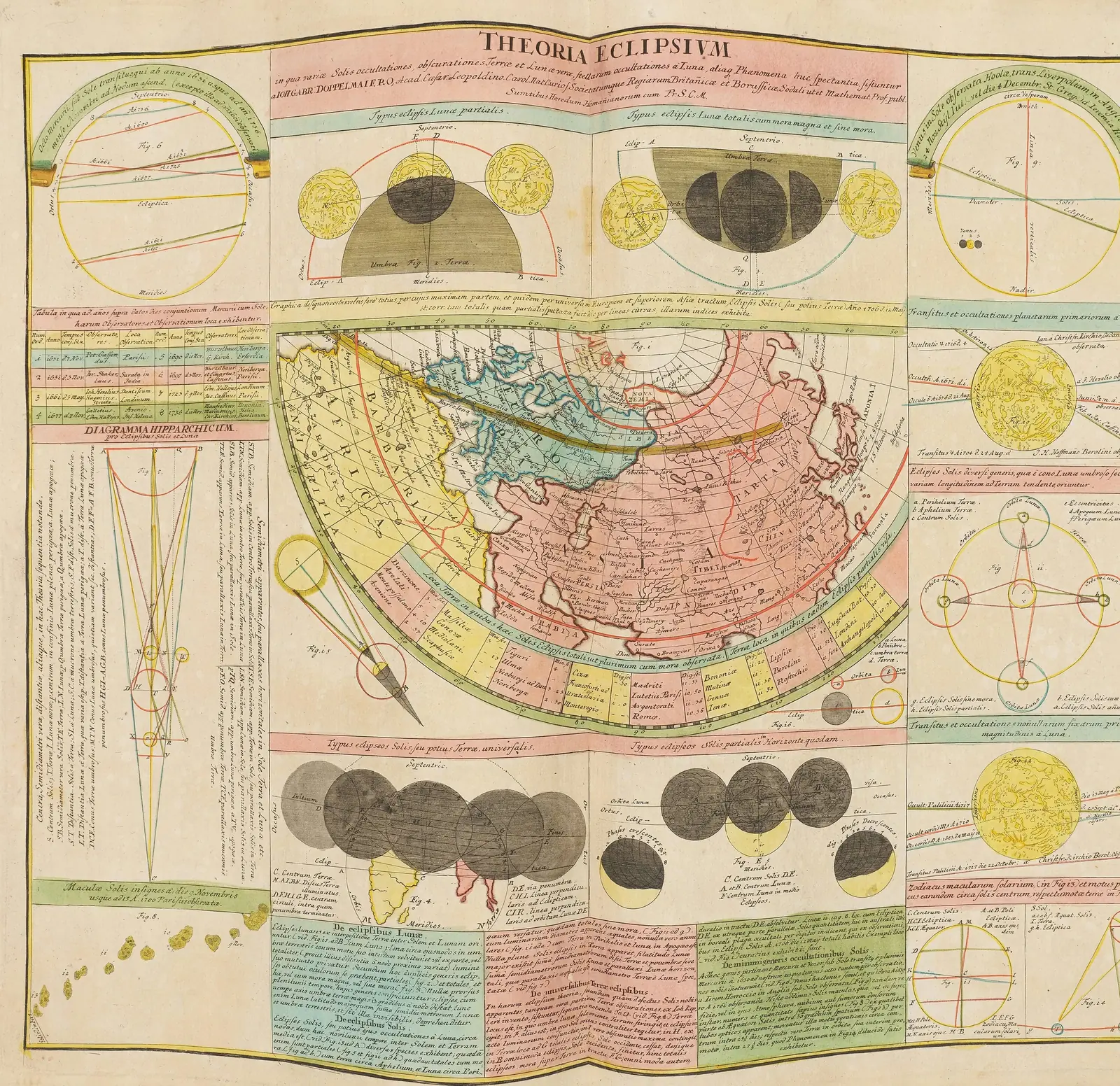
Johann Gabriel Doppelmayr, Atlas Novus Coelestis, 1742
At a glance
The new moon February 2027 is exact on February 6, 2027, 15:56 UTC (Sat Feb 6, 10:56 AM EST in New York), at 17°38′ Aquarius. It is also a annular solar eclipse.
- Exact (UTC)
- February 6, 2027, 15:56 UTCSaturday
- New York
- Sat Feb 6, 10:56 AM ESTUS Eastern
- Moon position
- 17°38′ AquariusSun beside it at 17°38′ Aquarius
- Eclipse
- Annular solar eclipseNASA GSFC catalogue
- Distance
- 402,711 km12th closest of 14
Your Aquarius houseFor February 6, free.
The new moon
A new moon you can actually see
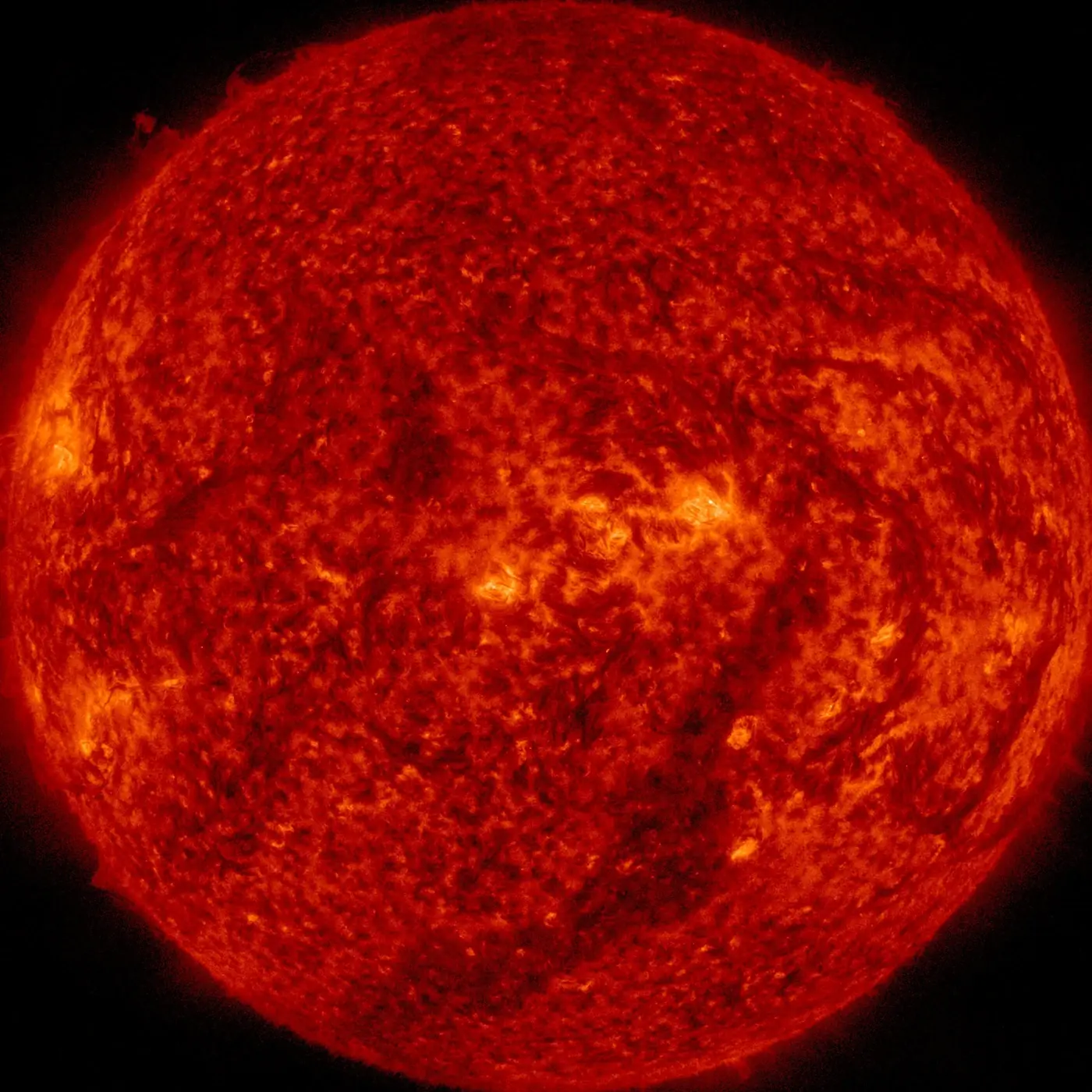
Usually the new moon is the shyest phase: invisible, quiet, easy to forget. In February 2027 the Moon lines up so precisely with the Sun that it crosses right in front of it. This new moon is a solar eclipse.
According to NASA's eclipse catalogue, it is an annular eclipse, the kind where the Moon is a little too far away to cover the Sun completely, so a bright ring remains. The path of the ring crosses the far south, with the greatest eclipse over the South Atlantic. A partial eclipse is visible across a much wider region. Check NASA's map for your location before you plan anything.
In astrology, eclipses are the dramatic cousins of ordinary lunations. Astrologers read solar eclipses as fresh starts that seem to arrive on their own schedule rather than yours, and they read the effect as unfolding over months, not one night.
This one falls in Aquarius, the sign of community, technology, friendship and the future, and it sits opposite Jupiter in Leo. The traditional reading: a new chapter in your circles, your causes or your sense of the future, possibly bigger than you planned.
The sky behind it
February 6, 2027, 15:56 UTC: Moon 17°38′ Aquarius, Sun 17°38′ Aquarius, 402,711 km, 0% lit, latitude -0.268°.
In Aquarius
Aquarius eclipse: a new chapter with your people
Try this today
- Make a list of the five people you talk to most. Ask if it is the list you want.
- Join one community, online or local, that matches who you are becoming.
- Write a short letter to yourself to open in February 2028.
Aquarius is ruled by Saturn in traditional astrology and Uranus in modern practice. It is the sign astrologers tie to friends, networks, causes and the version of you that lives a few years ahead.
A solar eclipse here is often read as a reset in those areas: new friends, a new community, leaving a group you have outgrown, joining a cause. Jupiter opposite in Leo adds a pull between the collective and the personal spotlight. Can you shine and still be part of something?
Astrologers usually advise against forcing big decisions on the eclipse day itself. Notice what shows up, then act in the weeks after, once the dust has settled.
Jupiter and the Moon
Jupiter is the planet in the room
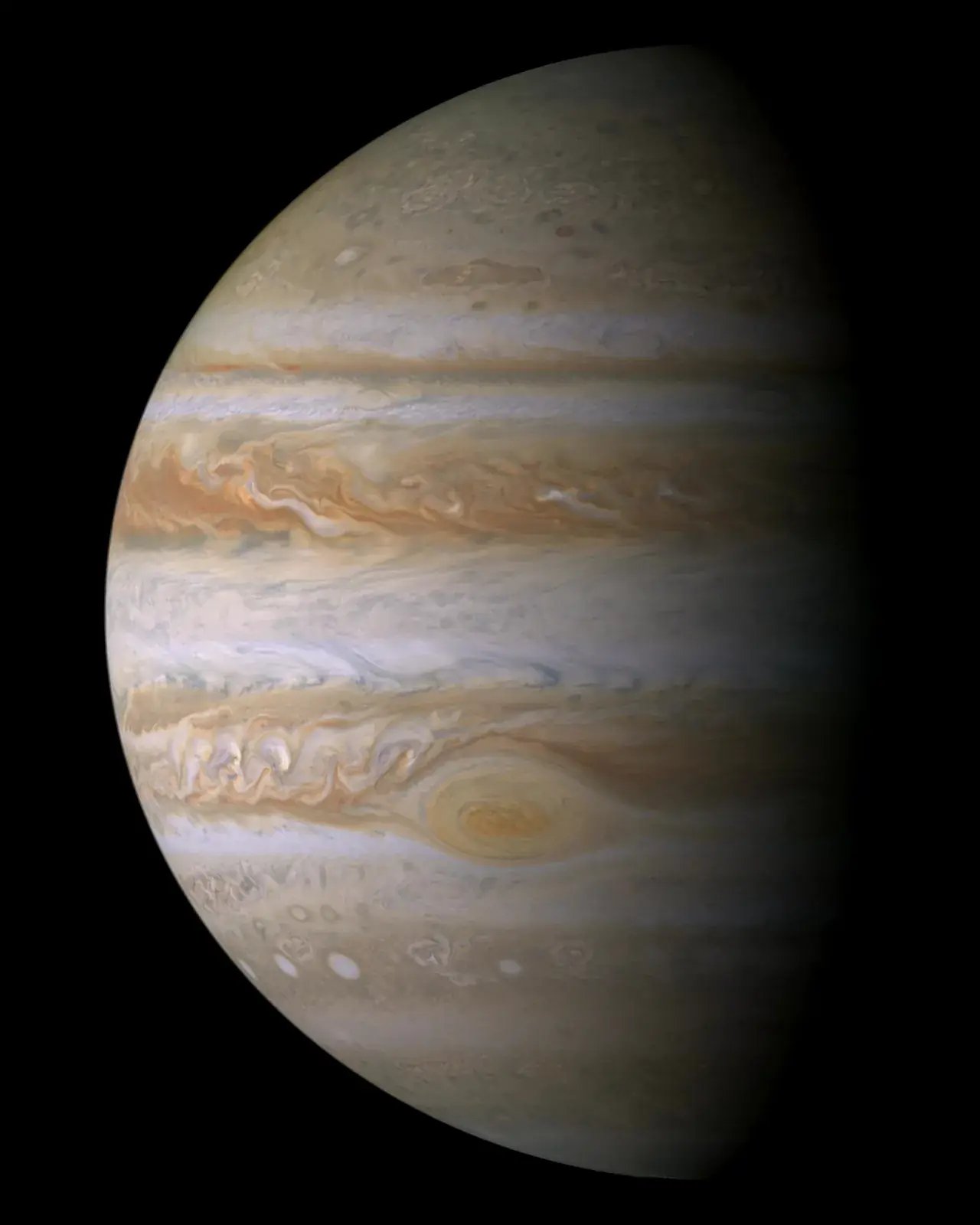
Only Jupiter touches 17°38′ Aquarius:
- Jupiter opposite the Moon (22°37′ Leo, orb 5°): growth, luck and excess. The aspect pulls from the other side of the sky, so its theme shows up through other people.
Mars and Jupiter and Uranus are all in reverse on February 6.
The sky behind it
Moon longitude 317.6271°, orbs as on the hub.
| Planet | Position | Motion | Aspect to the Moon |
|---|---|---|---|
| Mercury | 5°09′ Pisces | Direct | none |
| Venus | 3°31′ Capricorn | Direct | none |
| Mars | 5°40′ Virgo | Retrograde | none |
| Jupiter | 22°37′ Leo | Retrograde | opposite (5°) |
| Saturn | 10°46′ Aries | Direct | none |
| Uranus | 1°41′ Gemini | Retrograde | none |
| Neptune | 2°28′ Aries | Direct | none |
| Pluto | 5°30′ Aquarius | Direct | none |
The dark of the Moon
How to watch it safely
NASA is clear: during an annular or partial solar eclipse, you must never look at the Sun without proper solar viewing protection, such as eclipse glasses that meet the ISO 12312-2 standard. Ordinary sunglasses do not count. A pinhole projector, a card with a small hole that throws an image of the Sun onto paper, is a safe free alternative.
The annular path is narrow and runs mostly over South America and the South Atlantic, so most readers of this page will not see the ring. If you are in the partial zone, you will see a bite taken out of the Sun.
New moons have no folk name, but this one starts eclipse season. Two weeks later, the full moon brings a penumbral lunar eclipse.
Make it yours
Where the new moon february 2027 lands for you
17°38′ Aquarius, February 6.
Rising (or Sun) sign
New Moon February 2027 · Annular solar eclipse
Leo rising: 7th house.
That house covers partners, contracts and one-to-one relationships. Open a new chapter with a partner, a client or a collaborator.
For reflection only.
Countdown
17°38′ Aquarius
The Moon reaches 17°38′ Aquarius exactly.
More to read
Shorter reads. Each opens in place.
Good to know
Lunar New Year 2027
In the Chinese calendar, Lunar New Year starts on a new moon between late January and late February. This new moon, measured in China's time zone, marks the Year of the Goat in 2027. See our Year of the Goat page for the computed date and details.
Continue readingShow less
7 of 14
Leo behind, Virgo ahead
New moon 4 of 7. January 22 brought the full moon january 2027 (Leo). February 20 brings the full moon february 2027 (Virgo).
Continue readingShow less
Southern summer
Sun Feb 7, 2:56 AM AEDT in Sydney
A date ahead of New York (Sat Feb 6, 10:56 AM EST). After February 6, Sydney's first crescent shows its lit edge on the left.
Continue readingShow less
New Moon February 2027: the times
Saturday 15:56 UTC
| City | Time |
|---|---|
| UTC | February 6, 2027, 15:56 UTC |
| New York | Sat Feb 6, 10:56 AM EST |
| Los Angeles | Sat Feb 6, 7:56 AM PST |
| London | Sat Feb 6, 3:56 PM GMT |
| Sydney | Sun Feb 7, 2:56 AM AEDT |
| Mumbai | Sat Feb 6, 9:26 PM IST |
All times are UTC. In the Americas the local date can be a day earlier; in Asia and Australia a day later.
Quick answers
What time is the new moon february 2027?
The exact moment is February 6, 2027, 15:56 UTC. That is Sat Feb 6, 10:56 AM EST in New York, Sat Feb 6, 7:56 AM PST in Los Angeles, Sat Feb 6, 3:56 PM GMT in London, Sun Feb 7, 2:56 AM AEDT in Sydney, Sat Feb 6, 9:26 PM IST in Mumbai.
What sign is the new moon february 2027 in?
Aquarius, at 17°38′ Aquarius in the tropical zodiac. The Sun is right beside it at 17°38′ Aquarius.
Is there a solar eclipse in February 2027?
Yes. NASA's eclipse catalogue lists an annular solar eclipse on February 6, 2027. The ring of fire is visible along a narrow path in the Southern Hemisphere, with a partial eclipse over a wider area.
What does the solar eclipse in Aquarius mean in astrology?
Astrologers read a solar eclipse as a new beginning that tends to unfold over months. In Aquarius it is linked with friendships, groups, technology and your vision of the future. With Jupiter opposite, the traditional reading is a chapter that grows larger than expected.
Can I look at the February 2027 annular eclipse without glasses?
No. NASA warns that it is never safe to look at an annular or partial eclipse without proper solar filters, like ISO 12312-2 eclipse glasses. A pinhole projector is a safe alternative.
How far away is the Moon at the new moon february 2027?
402,711 km, one of the farthest on this calendar (our cutoff is 360,000 km). Rank: 12th of 14.