Love · Synastry tool
Karmic synastry calculator: the nodes, Saturn and Vertex between you
Two birth charts in. Every "we've met before" contact out, with the orb, whose point it is and what astrologers read into it. Free, no sign-up.
Photo: Roberto Lopez / Burst
At a glance
The calculator checks three families of contacts between two charts: planets on the other's lunar nodes (orb 5°), Saturn to the other's personal planets (orb 5°), and planets on the other's Vertex (orb 3°). The sample couple below shows 6.
- True North Node today
- 28°01′ Aquariusin Aquarius until Mar 26, 2028
- Mean North Node today
- 26°47′ Aquariusin Aquarius until Mar 7, 2028
- Saturn now
- in Ariessince Feb 14, 2026
- Nodal cycle
- 18.6 yearsmean node, once around the zodiac
- Sample couple's tightest
- Saturn trine Moonorb 0.0°
Run the calculatorTwo births, about a minute.
The short version
What "karmic" means in a synastry chart
Try this today
- Before you run the numbers, write down the one word you would use for this relationship. Compare it to the loudest family the calculator finds.
- Run it twice, once with the true node and once with the mean node. Contacts that survive both are your solid ones.
Soulmate astrology: what the chart can and cannot sayWhat synastry is, and how to read it
You met them and it felt like the middle of a conversation, not the start. Or the opposite: they felt like homework from the first week. People go looking for a karmic synastry calculator because one of those two feelings needs a name.
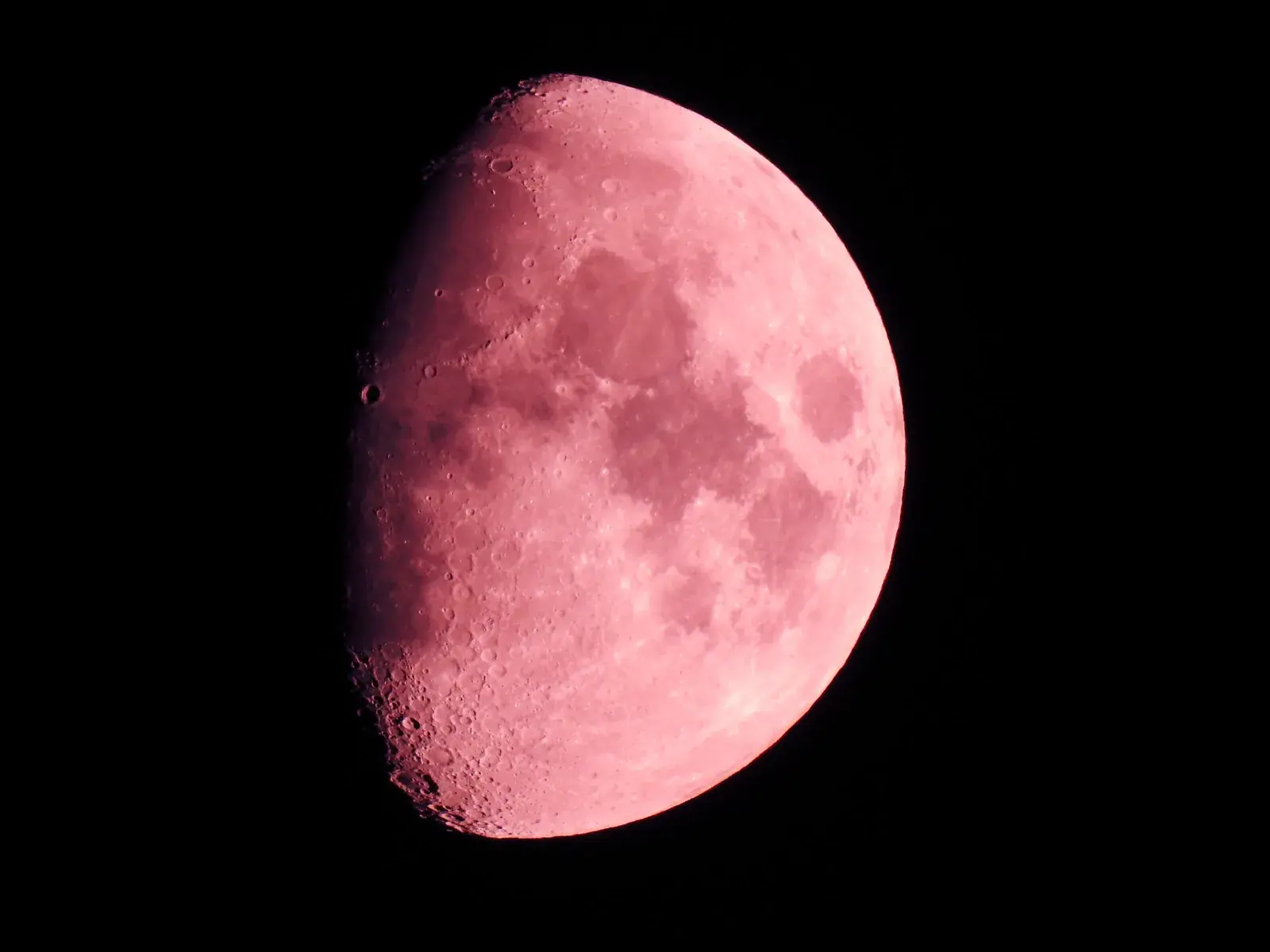
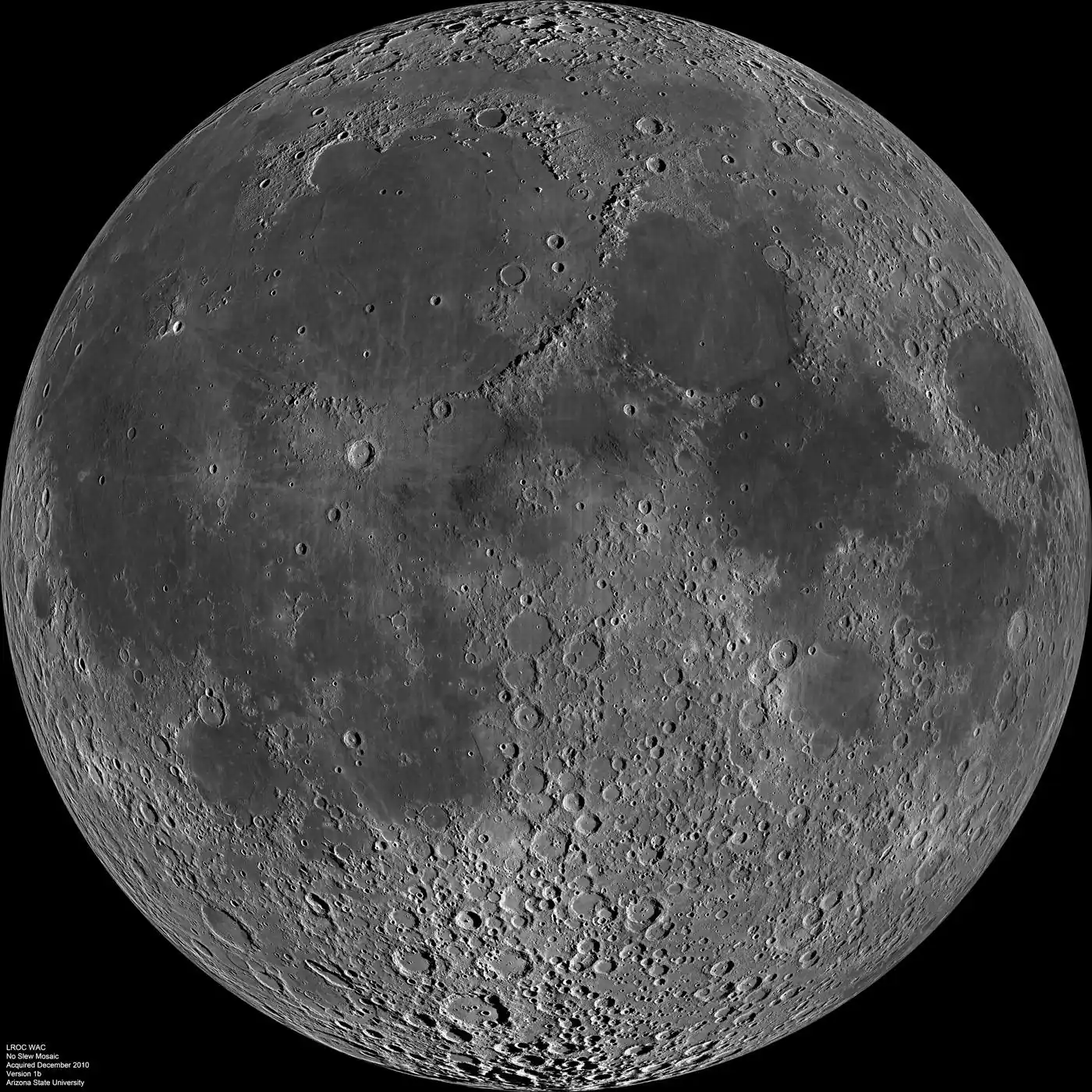
Astrologers do not agree on a single definition, but most lists come back to the same three families of contacts between two charts. The lunar nodes, the points where the Moon's orbit crosses the Sun's path, are read as direction: the South Node as where you are coming from, the North Node as where you are heading. Saturn is read as commitment and tests. The Vertex is read as the meeting itself, the "how did we even end up in the same room" point.
This page computes all three for any two people. It does not tell you whether you knew each other in a past life. Nobody can measure that, and we will not pretend to. What it can tell you, exactly, is which of your points sit on which of theirs, and how close.
Family one
The lunar nodes: "I feel like I've known you forever"
Try this today
- For each South Node contact, name one habit you two fall into without deciding to. Keep the ones you would choose anyway.
- For each North Node contact, ask: what has this person nudged me to try that I would not have tried alone?
The North Node in Aquarius, 2026 to 2028Rahu and Ketu vs the North and South Node
When your Venus sits on someone's South Node, the tradition says they recognise you instantly. It is easy, cosy, a little nostalgic. The risk astrologers flag is autopilot: the relationship slides into old roles because they are comfortable, not because they fit.
When your planet sits on their North Node, the tone flips. You seem to model something they are growing into, so the relationship stretches them. That can feel exciting or slightly too much, depending on the week.
A planet square the nodal axis sits at the crossroads between the two, and some astrologers call it a "skipped step": a choice between the familiar and the new. We use a tighter 3° orb there, because the square is a weaker contact.
Two special cases come from timing alone. The nodes go once around the zodiac every 18.6 years, so people born about that far apart share their nodes, and people born about 9.3 years apart have them reversed. That is just the clock; it is still fun to see.
The sky behind it
The true node is the osculating ascending node of the Moon's geocentric orbit, computed from JPL DE442 (and from astronomy-engine in your browser). The mean node follows Meeus, Astronomical Algorithms, ch. 47. On Oct 18, 2026 the true node is at 28°01′ Aquarius, the mean node at 26°47′ Aquarius. The true node entered Aquarius on Jul 27, 2026 · 00:47 UTC and leaves on Mar 26, 2028 · 16:03 UTC. Checked against Swiss Ephemeris on 600 dates: median difference 0.002°, worst 0.015°.
Family two
Saturn: the contact that makes love feel serious early
Try this today
- If one of you has a hard Saturn contact to the other's Moon, agree on one plain way to ask for reassurance. Saying it out loud does a lot.
- List one thing you are building together that would be harder alone. That is the good use of Saturn.
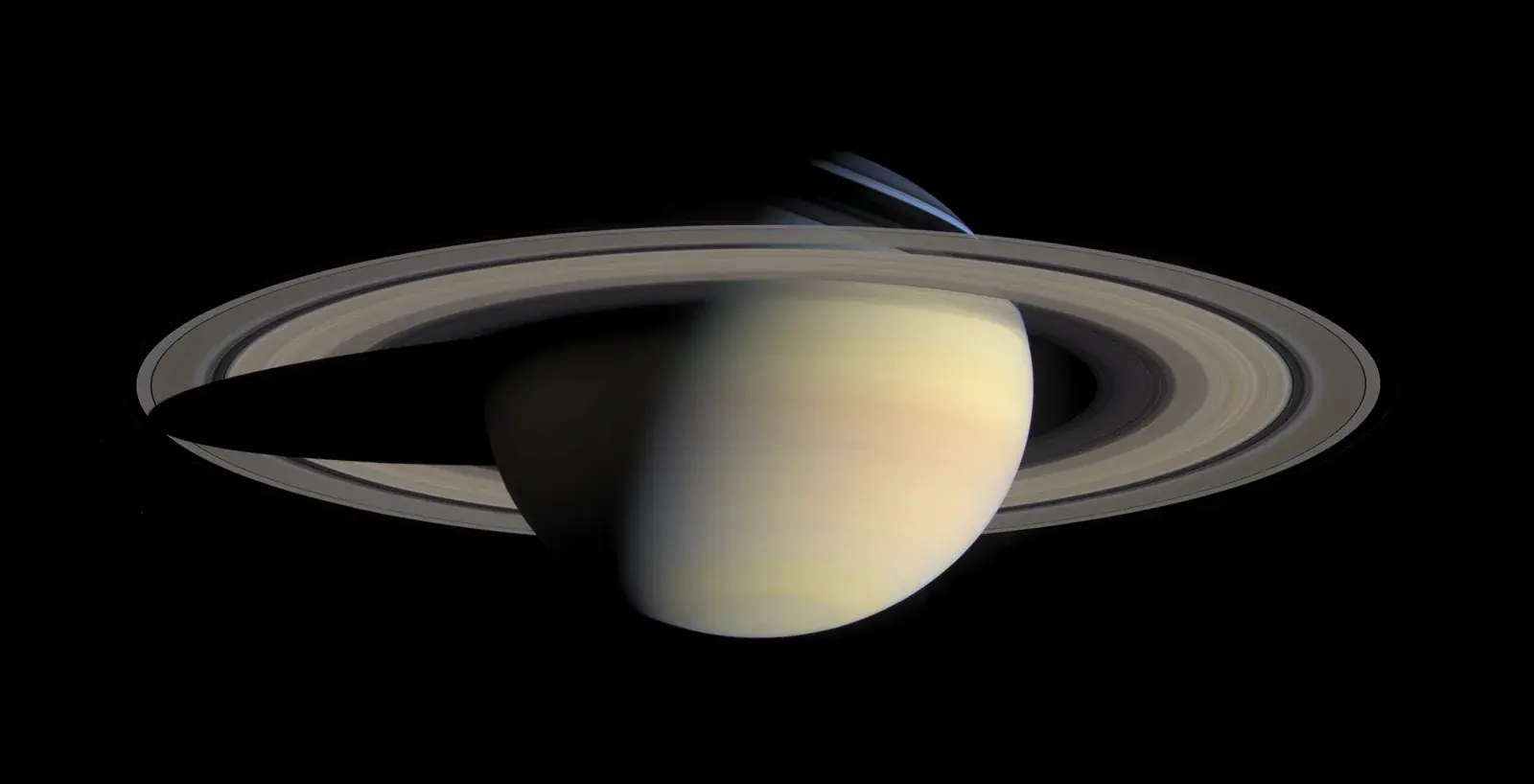
Saturn is the planet of structure, time and responsibility, so when one person's Saturn touches the other's Sun, Moon, Venus or Ascendant, the relationship gets weight. You talk about the future sooner than you meant to. You also notice criticism faster.
The person whose Saturn it is tends to play the steady one, sometimes the strict one. The person receiving it may feel held, or judged, or both on the same evening. Hard aspects (conjunction, square, opposition) carry more of the test; trines and sextiles carry more of the loyalty. We use 5° for the hard aspects and 4° for the soft ones.
Saturn takes about 29 years to go round the zodiac, so it spends roughly two and a half years in a sign. That is why couples close in age often share a Saturn sign, and why Saturn contacts between them come down to the exact degrees, not the sign. Right now Saturn is in Aries, where it arrived for good on Feb 14, 2026.
The sky behind it
Saturn's sign periods come from JPL DE442 (geocentric, tropical). Its recent Aries entries: May 25, 2025 · 03:35 UTC and Feb 14, 2026 · 00:11 UTC.
Family three
The Vertex: why some meetings feel arranged

Try this today
- Write down how you actually met, in three lines. Compare it with the planet on the Vertex. Does the story match the flavour?
- If one birth time is a guess, rerun the calculator ten minutes either side and see whether the Vertex contact holds.
The Vertex is a calculated point, not a planet. It sits where the prime vertical, the great circle running due east and west through the overhead point, meets the ecliptic on the western side of your chart. Modern astrologers link it with encounters that feel out of your hands: the wrong train, the friend's friend, the café that was closed.
So a planet of theirs on your Vertex reads as the meeting itself carrying a charge. The flavour depends on the planet. Their Moon on your Vertex is familiarity; their Mars is a jolt; their Saturn is a meeting that arrived with responsibilities attached. The Anti-Vertex opposite it gets a tighter 2° orb, and reads as something the other person brings to you.
One honest caveat: the Vertex moves fast. A birth time that is off by ten minutes can shift it by two degrees or more, most of our 3° orb. If a Vertex contact matters to you, check that both birth times come from a certificate, not a guess.
The sky behind it
Vertex rule: the Ascendant formula at RAMC + 180° and co-latitude (90° − latitude), keeping the western solution in the tropics (the Swiss Ephemeris convention). Tested against Swiss Ephemeris on 5,000 random charts: median difference 0.0023°, 99th percentile 0.0175°.
The calculator
Find your karmic contacts
Add two births. Place search fills in the time zone. With a birth time we include the Ascendant and Vertex; without one we leave them out. Everything is computed on your device.
Person 1
Not added yet
Person 2
Not added yet
Person 1: you, or whoever goes first
No birth details to hand?
More to read
Shorter reads. Each opens in place.
Worked example
What the sample couple shows
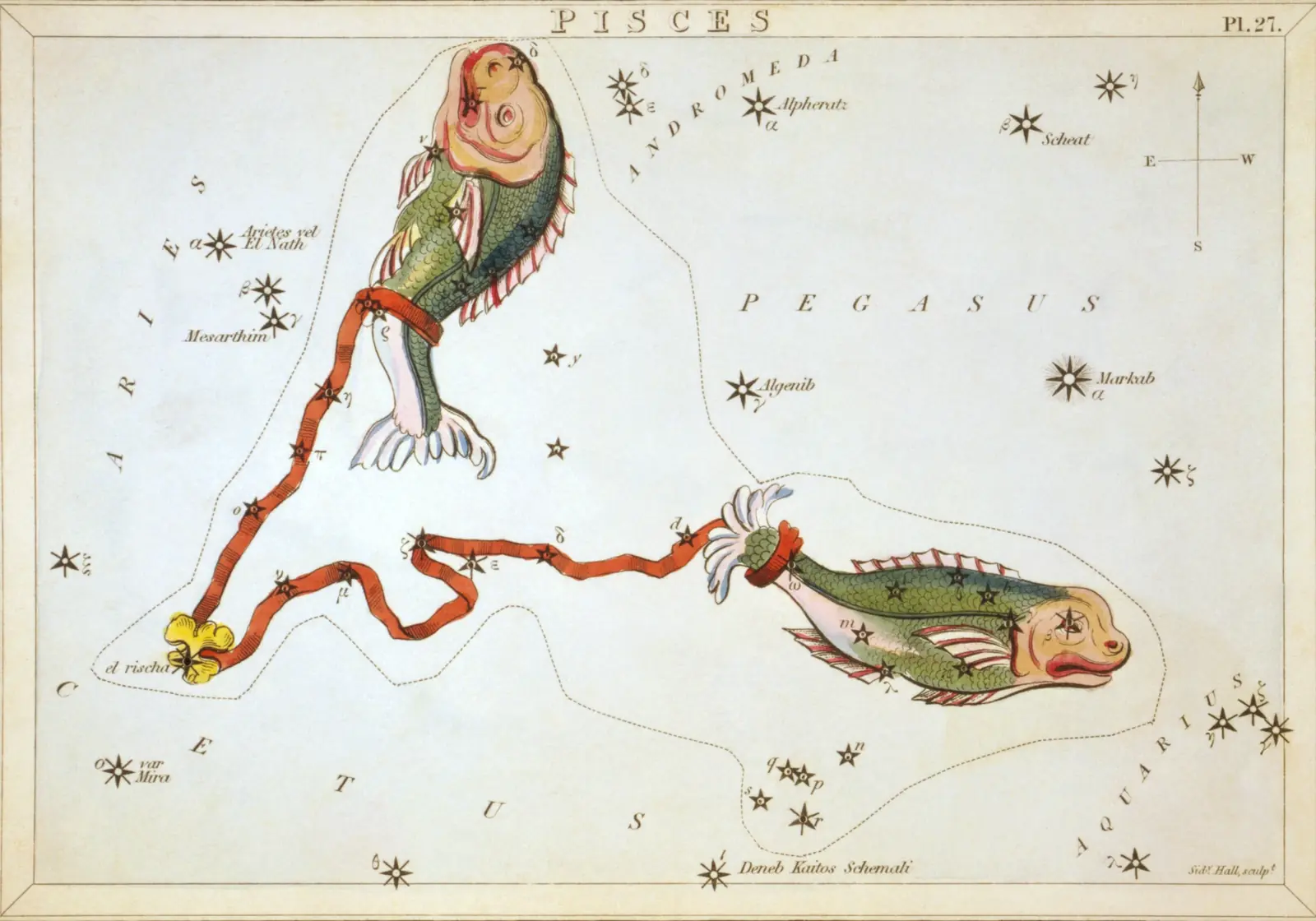
Sample A was born February 19, 1994, 7:40 am in Chicago, USA; Sample B August 27, 1997, 12:05 pm in London, UK. These are illustration births, not real people. The calculator finds 6 contacts. The tightest is Sample A's Saturn trine Sample B's Moon (orb 0.0°). Sample A's Saturn sits at 2°34′ Pisces, Sample B's Moon at 2°35′ Cancer. Press "Try it with the sample couple" in the calculator to see the full list and readings.
Continue readingShow less
Read this first
What this calculator will not tell you
It will not tell you that someone is your soulmate, twin flame or punishment from a past life. No study has shown that synastry contacts predict whether relationships last, and we are not going to invent one. Use the list as a set of conversation starters about how you two actually feel together. If a relationship feels unsafe, that matters far more than any chart.
Continue readingShow less
The rules, and the sky right now
The same rules run in the calculator and in our build script.
| Family | What counts | Orb |
|---|---|---|
| Lunar nodes | Planet or Ascendant conjunct the other's North or South Node | 5° |
| Lunar nodes | Planet or Ascendant square the other's nodal axis | 3° |
| Lunar nodes | North Nodes together, or one North Node on the other's South | 5° |
| Saturn | Saturn conjunct, square or opposite Sun, Moon, Mercury, Venus, Mars, Ascendant | 5° |
| Saturn | Saturn trine or sextile the same points | 4° |
| Vertex | Planet, node or Ascendant conjunct the other's Vertex | 3° |
| Vertex | The same points conjunct the other's Anti-Vertex | 2° |
| Sign | Enters (UTC) | Leaves (UTC) |
|---|---|---|
| Aries | before 2024 | Jan 11, 2025 · 23:01 UTC |
| Pisces | Jan 11, 2025 · 23:01 UTC | Jul 27, 2026 · 00:47 UTC |
| Aquarius | Jul 27, 2026 · 00:47 UTC | Mar 26, 2028 · 16:03 UTC |
| Capricorn | Mar 26, 2028 · 16:03 UTC | after 2028 |
| Contact | Family | Orb |
|---|---|---|
| Sample A's Saturn trine Sample B's Moon | saturn | 0.00° |
| Sample A's Saturn opposite Sample B's Sun | saturn | 1.63° |
| Sample B's Saturn sextile Sample A's Mars | saturn | 2.29° |
| Sample A's Moon conjunct Sample B's Vertex | vertex | 2.46° |
| Sample A's Saturn trine Sample B's Ascendant | saturn | 3.81° |
| Sample A's Ascendant conjunct Sample B's South Node | nodes | 4.19° |
All times are UTC. In the Americas the local date can be a day earlier; in Asia and Australia a day later.
Quick answers
Is there a free karmic synastry calculator?
Yes, this one. Add two birth dates, times and places and it lists every lunar node, Saturn and Vertex contact between the charts, with the orb and a short reading. It runs in your browser, with no sign-up, and nothing you type is stored.
What are karmic aspects in synastry?
Modern astrologers usually mean three families: one person's planets touching the other's North or South Node, one person's Saturn aspecting the other's personal planets or Ascendant, and planets landing on the other person's Vertex. "Karmic" here is a tradition's word for familiarity and lessons, not a measured fact about past lives.
What does South Node conjunct Venus mean in synastry?
It is the contact pop astrology calls most karmic: sweet, nostalgic attraction that can feel like a reunion. The usual advice is to enjoy the ease and check that the relationship moves you both forward rather than replaying an old pattern.
Is Vertex synastry karmic?
The Vertex is linked in modern astrology with meetings that feel arranged by circumstance, so a planet on someone's Vertex is often called "fated". It is a calculated point (where the prime vertical meets the ecliptic in the west), so it needs an accurate birth time. We use a 3° orb.
Do I need an exact birth time for karmic synastry?
For the Vertex and Ascendant, yes: both move about a degree every four minutes. Node and Saturn contacts barely change in a day, so they still work with an unknown time. The calculator drops the time-sensitive points and says so.
Should I use the true node or mean node in synastry?
Both are used. The mean node moves smoothly backward; the true node wobbles around it, usually within about 1.5°. Today (Oct 18, 2026) the true node is at 28°01′ Aquarius and the mean node at 26°47′ Aquarius. Toggle both in the calculator: a contact that only appears with one is a borderline one.
Does a karmic relationship mean we're meant to be together in 2026?
No chart can promise that. These contacts describe themes, like familiarity, duty or a sense of timing, that couples sometimes recognise. Whether a relationship works depends on the two people, not on an orb.
Why do people born about 18 or 19 years apart share nodes?
The lunar nodes go once around the zodiac every 18.6 years, so births about 18.6 years apart have the North Nodes in the same place (a "nodal return" pairing), and births about 9.3 years apart have them reversed.