Wheel of the Year · Cross-quarter days
Cross-quarter days 2026 and 2027, to the minute
Four quiet hinges between the solstices and equinoxes. Next up: Samhain, when the Sun reaches 15° Scorpio on Nov 7, 2026. Then Imbolc on Feb 4, 2027.
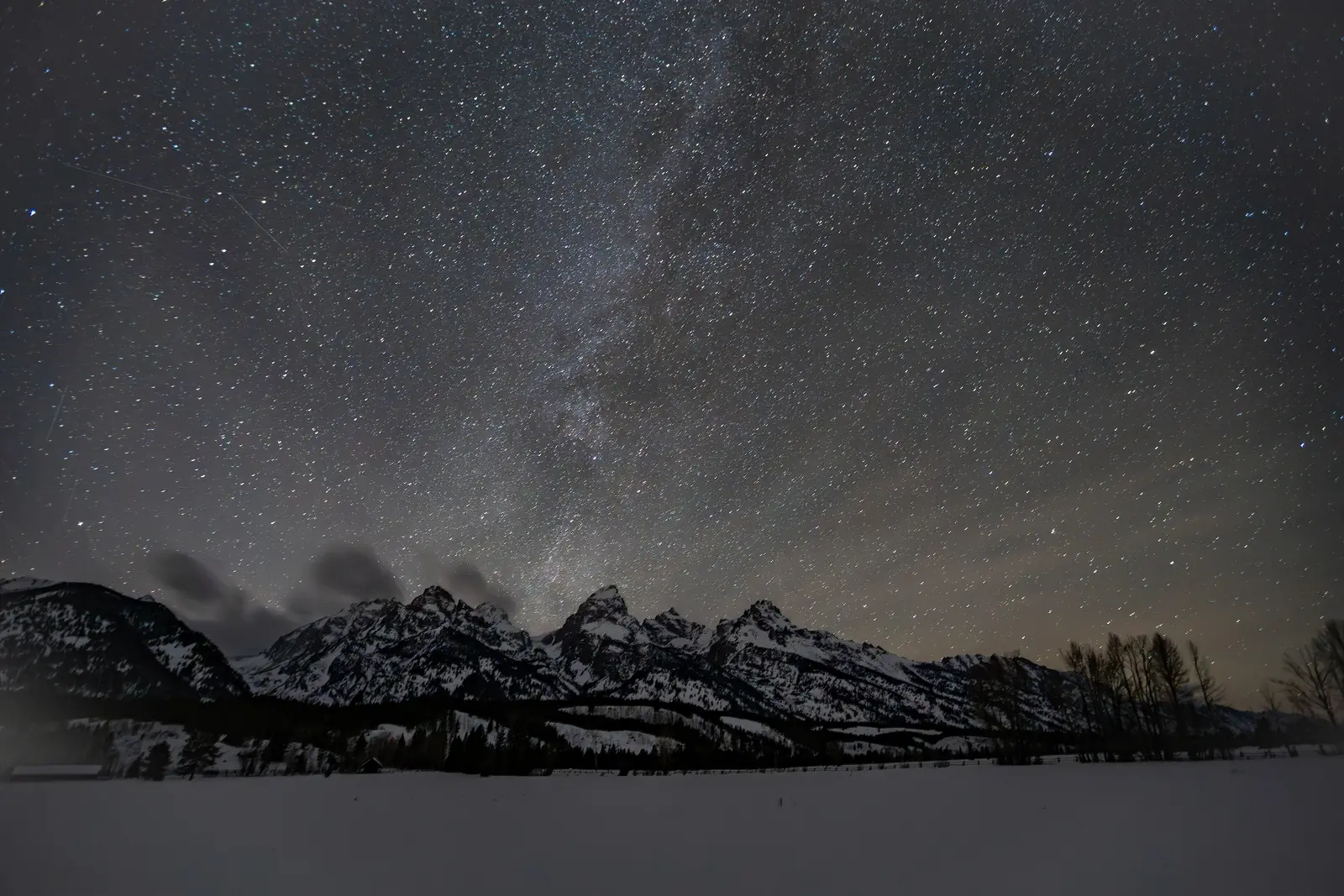
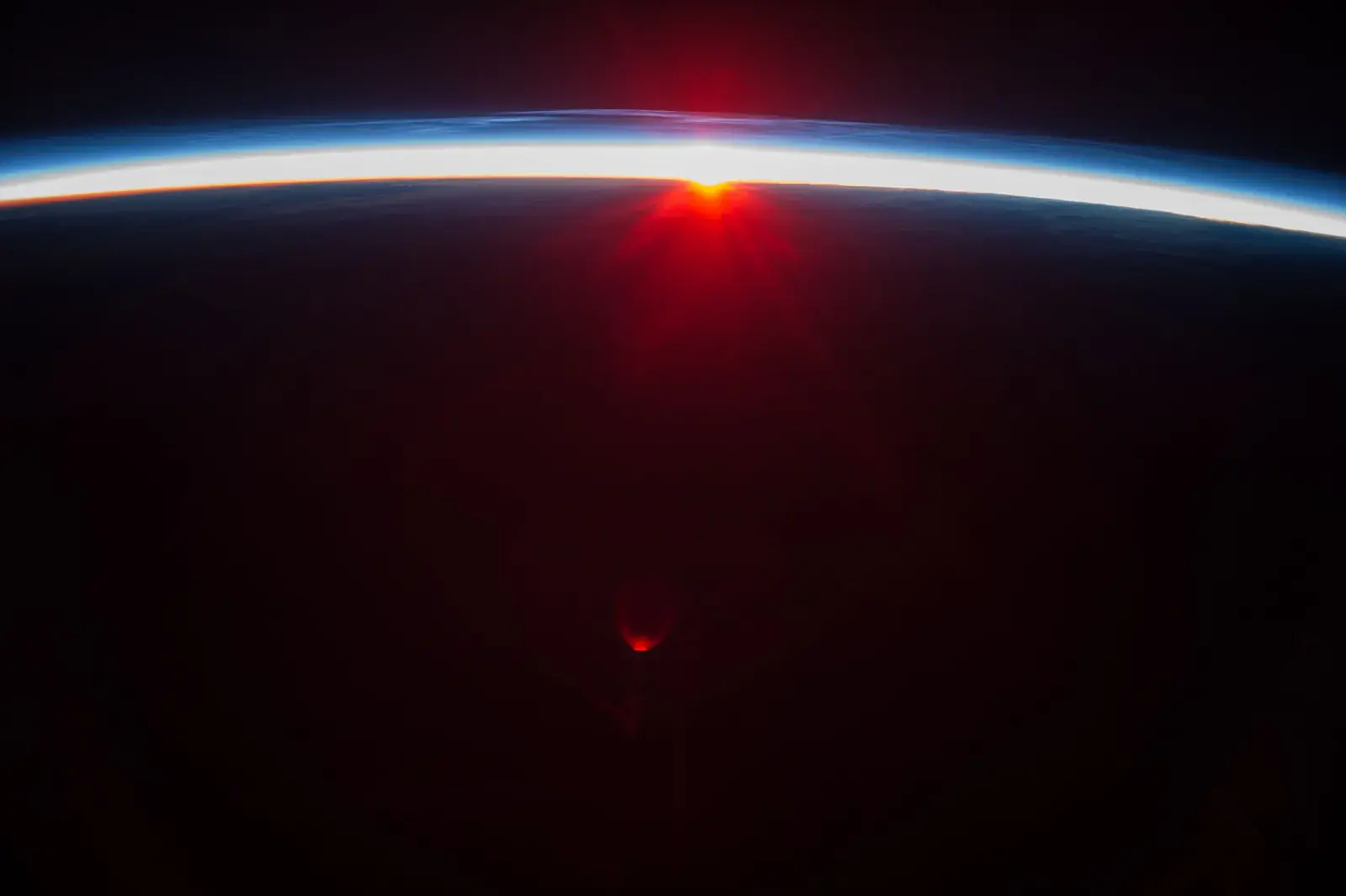
Photo: NASA (International Space Station crew)
At a glance
The next cross-quarter day is Samhain, Nov 7, 2026 · 09:52 UTC. In 2027 the four fall on Feb 4, 2027, May 5, 2027, Aug 7, 2027 and Nov 7, 2027, each the moment the Sun reaches 15° of a fixed sign.
- Samhain 2026
- Nov 7, 2026 · 09:52 UTCSun at 15°00′ Scorpio
- Imbolc 2027
- Feb 4, 2027 · 01:46 UTCSun at 15°00′ Aquarius
- Beltane 2027
- May 5, 2027 · 17:25 UTCSun at 15°00′ Taurus
- Lughnasadh 2027
- Aug 7, 2027 · 17:26 UTCSun at 15°00′ Leo
- Samhain 2027
- Nov 7, 2027 · 15:38 UTCSun at 15°00′ Scorpio
See which houses the fixed signs fill in your chartFree birth chart: find where 15° Aquarius, Taurus, Leo and Scorpio land for you.
The short version
The year has eight hinges, and these are the quiet four
Try this today
- Put all four 2027 dates in your calendar now: Feb 4, 2027, May 5, 2027, Aug 7, 2027, Nov 7, 2027.
- On each one, step outside at the same hour and notice the light. Four snapshots make a year.
You know the feeling. Some evening in early February you leave work and it is still light out, and you stop on the pavement for a second. Or one night in August the air goes cool before ten. Those are cross-quarter feelings.
The year has four big astronomical markers: two solstices and two equinoxes. A cross-quarter day sits halfway between each pair. That gives four more: Imbolc between midwinter and spring, Beltane between spring and midsummer, Lughnasadh between midsummer and autumn, and Samhain between autumn and midwinter.
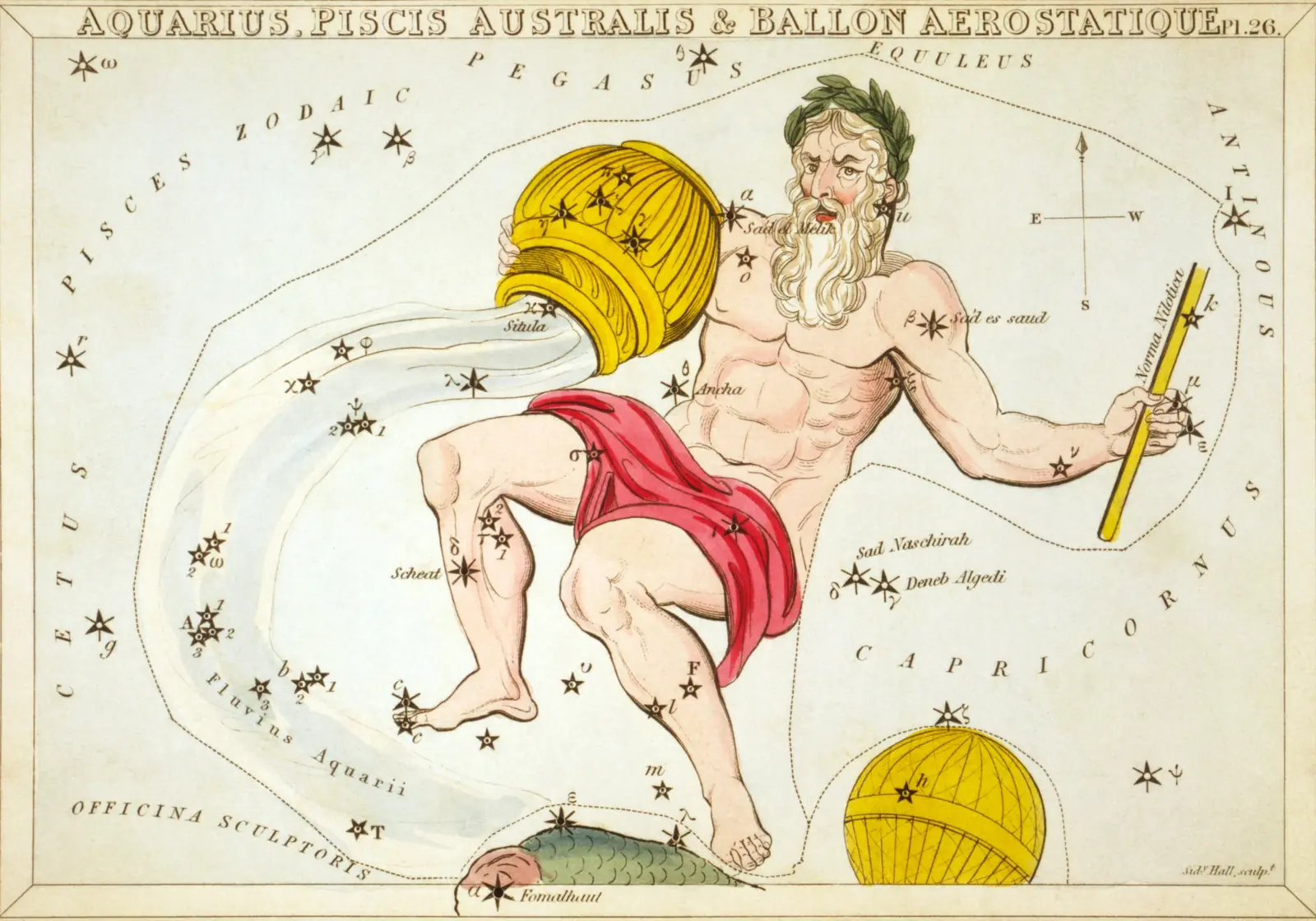
Measured along the Sun's path, halfway is 45°, and in the tropical zodiac those midpoints land at exactly 15° of the four fixed signs: Aquarius, Taurus, Leo and Scorpio. So the clean astronomical answer to "when is it?" is the moment the Sun touches that degree.
For the season you are in right now, that means Samhain on Saturday, Nov 7, 2026 · 09:52 UTC, then Imbolc on Thursday, Feb 4, 2027 · 01:46 UTC. The finder below converts any of them to your own clock.
The sky behind it
Computed with skyfield and the JPL DE442 ephemeris: geocentric apparent ecliptic longitude of the Sun, true equinox of date, times in UTC. Each instant is the first time in that calendar year the longitude crosses 315°, 45°, 135° or 225°.
Degrees or days?
There are two honest ways to find halfway, and they disagree by hours
Try this today
- Flip the finder between "Halfway in degrees" and "Halfway in time" for Lughnasadh 2027, and watch the hour move.
- Count the days on your own calendar from the December solstice to the March equinox, then June to September. The summer stretch is longer.
Here is the nerdy bit, and it is genuinely fun. You can define halfway two ways.
Halfway in degrees: the Sun at 15° of the sign, exactly 45° past the solstice or equinox. That is the version in our main table and the one astrologers use.
Halfway in time: take the solstice instant and the equinox instant and split the clock time between them. Because Earth's orbit is a slightly squashed circle, the Sun's apparent speed changes through the year, so these two answers drift apart.
In 2027 the gap runs from about 7 hours at Imbolc to 12 hours at Beltane. At Imbolc and Beltane the time midpoint comes later than the 15° moment. At Lughnasadh and Samhain it comes earlier. Of the four quarters wrapped around the 2027 cross-quarter days, the one holding Lughnasadh is the longest, at 93.7 days from anchor to anchor, and the one holding Imbolc is the shortest, at 89.0 days. Earth is closest to the Sun in early January, so the winter quarter in the north is the quick one.
Which should you use? Whichever fits. If you follow astrology, use the degree. If you love the idea of the day at the true middle of a season's clock, use the time midpoint. Both are in the finder.
The sky behind it
Time midpoints are the arithmetic mean of the bracketing solstice and equinox instants (DE442). In 2027 the Sun stands at 15°17′ Aquarius at the Imbolc time midpoint, 15°29′ Taurus at Beltane's, 14°42′ Leo at Lughnasadh's and 14°32′ Scorpio at Samhain's.
The astrology
Why every cross-quarter lands in a fixed sign
Try this today
- Look up which houses of your birth chart hold 15° of each fixed sign. Those four areas of life are the ones astrologers say the cross-quarters light up for you.
- Journal one line on each cross-quarter day: what is concentrated in your life right now?
Astrology splits each season into three signs. The cardinal sign opens it (Aries, Cancer, Libra, Capricorn begin at the equinoxes and solstices). The fixed sign holds the middle. The mutable sign carries it into the next one.
So the cross-quarter points sit at the dead centre of the fixed signs, which astrologers read as the most concentrated stretch of each season:
- 15° Aquarius, Imbolc: deep winter, but the first ideas of spring. Tradition links Aquarius with vision and community.
- 15° Taurus, Beltane: spring at full green. Taurus is read as the body, pleasure, the things that grow slowly.
- 15° Leo, Lughnasadh: high summer heat and the first harvest. Leo is read as warmth, play and the heart.
- 15° Scorpio, Samhain: autumn going dark. Scorpio is read as depth, endings and what lies beneath.
That is a reading to think with, not a forecast. The degree is the measurable part.
Where the names come from
Four Gaelic festivals, two Christian feasts and a groundhog

Try this today
- Next February 2, notice that Groundhog Day is asking the same question Imbolc did: is winter nearly done?
- Bake one loaf on Lammas. It is the oldest cross-quarter custom most people can still do in a kitchen.
The four names come from the Gaelic calendar of early Ireland and Scotland, where Imbolc, Bealtaine, Lughnasadh and Samhain marked the turning points of the farming and herding year (Britannica: Imbolc; Britannica: Beltane). They were kept on calendar dates, not on astronomical measurements. Nobody in medieval Ireland was waiting for the Sun to hit 15° Aquarius.
The dates echo through later calendars. February 2 is Candlemas, and in North America it is also Groundhog Day. May 1 is May Day. August 1 is Lammas, from Old English for "loaf mass", a harvest festival in the English church. November 1 is All Saints' Day, with Halloween the night before (Wikipedia: Cross-quarter day).
In Scotland, four term days on or near these dates (Candlemas, Whitsunday, Lammas and Martinmas) were long used for paying rents and starting leases (Wikipedia: Quarter days).
The tidy eight-festival Wheel of the Year that joins the four Gaelic feasts to the solstices and equinoxes is modern. It was popularized by British neopagans in the mid-20th century (Wikipedia: Wheel of the Year). Fixing the festivals to the Sun's 15° points is a newer refinement again. Young, and none the worse for it.
The Moon at each one
A run of dark-moon cross-quarters through 2027
Try this today
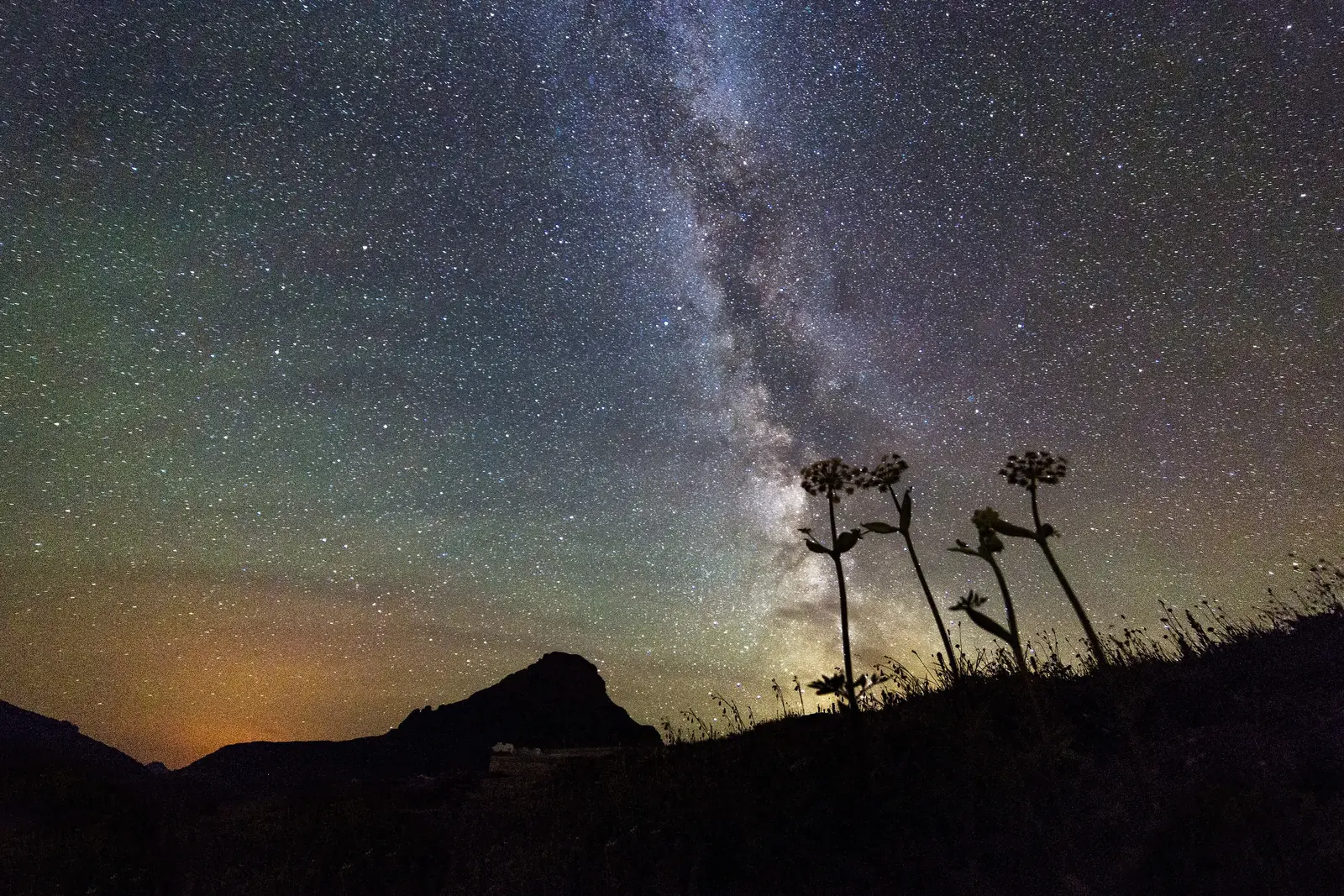
- For Beltane 2027, plan your fire or candle outside after dark on May 5, 2027. With the Moon at 1%, the Milky Way is yours if the sky is clear and you are away from city light.
- Use the waning-Moon cross-quarters for clearing out: a drawer, an inbox, a habit.
Here is something we only noticed by computing it. The Moon is unusually thin at the next three cross-quarter moments.
At Samhain 2026 it is waning crescent in Libra, 4% lit. At Imbolc 2027 it is waning crescent in Capricorn, 6% lit, and the new moon follows 2.6 days later at 17°38′ Aquarius. That new moon is also an annular solar eclipse, on February 6, 2027 (NASA GSFC). At Beltane 2027 it is waning crescent in Taurus, just 1% lit, a day or so from new.
Then the pattern turns. By Lughnasadh 2027 the Moon is a waxing crescent at 35%, and at Samhain 2027 it is waxing gibbous, 62% lit.
Why it matters to you: a thin Moon means dark skies. If you like marking a festival outside, Beltane 2027 is your best chance at a real starfield. In astrology a waning Moon is read as a time to finish and clear, a waxing one as a time to build. A mood, not a rule.
The sky behind it
Moon phase and illumination are computed at the exact 15° moment (geocentric, DE442). Phase names follow the Moon-Sun elongation; a principal phase is named only within 6° of exact.
Find yours
The cross-quarter finder
Pick a festival and a year, then choose halfway in degrees or halfway in time. You get the moment in your own time zone, a live countdown, the Moon at that instant and the southern-hemisphere name for the same day.
Festival
Year
Which halfway?
Imbolc 2026, the Sun at 15°00′ Aquarius
2026-02-03 20:02 UTC
The calendar festival starts on Sunday, February 1, 2026. The two astronomical versions are about 7 hours apart this time, with the time midpoint later.
Moon at the 15° moment: waning gibbous in Virgo, 96% lit. Below the equator the same date is kept as Lughnasadh.
More to read
Shorter reads. Each opens in place.
Below the equator
The cross-quarter days in the southern hemisphere
If you live in Australia, New Zealand, South Africa or South America, your seasons run the other way, and many Pagans there flip the wheel. On the same instants, the names swap: Imbolc becomes Lughnasadh, Beltane becomes Samhain, Lughnasadh becomes Imbolc, Samhain becomes Beltane. So for you, Feb 4, 2027 · 01:46 UTC is astronomical Lughnasadh, and May 5, 2027 · 17:25 UTC is astronomical Samhain.
Continue readingShow less
Why they run late
The sky runs 3 to 7 days behind the calendar
The traditional dates are the 1st of February, May and August and the eve of November 1. The Sun's 15° points in 2026 and 2027 fall between the 3rd and the 7th of those months. Imbolc is the closest (3 days after February 1 in 2027) and Samhain the furthest (7 days after October 31 in 2026). Many people simply keep both: the calendar night for the gathering, the astronomical one for a private check-in.
Continue readingShow less
Cross-quarter days 2026, 2027 and 2028, computed
All times UTC. Sun at 15° of a fixed sign, the halfway-in-time version, and the Moon at the 15° moment.
| Festival | Traditional date | Sun at 15° (UTC) | Sun position | Halfway in time (UTC) | Days after calendar date |
|---|---|---|---|---|---|
| Imbolc 2026 | Sunday, February 1, 2026 | Feb 3, 2026 · 20:02 UTC | 15°00′ Aquarius | Feb 4, 2026 · 02:54 UTC | 2 |
| Beltane 2026 | Friday, May 1, 2026 | May 5, 2026 · 11:48 UTC | 15°00′ Taurus | May 5, 2026 · 23:35 UTC | 4 |
| Lughnasadh 2026 | Saturday, August 1, 2026 | Aug 7, 2026 · 11:42 UTC | 15°00′ Leo | Aug 7, 2026 · 04:14 UTC | 6 |
| Samhain 2026 | Saturday, October 31, 2026 | Nov 7, 2026 · 09:52 UTC | 15°00′ Scorpio | Nov 6, 2026 · 22:27 UTC | 7 |
| Imbolc 2027 | Monday, February 1, 2027 | Feb 4, 2027 · 01:46 UTC | 15°00′ Aquarius | Feb 4, 2027 · 08:37 UTC | 3 |
| Beltane 2027 | Saturday, May 1, 2027 | May 5, 2027 · 17:25 UTC | 15°00′ Taurus | May 6, 2027 · 05:17 UTC | 4 |
| Lughnasadh 2027 | Sunday, August 1, 2027 | Aug 7, 2027 · 17:26 UTC | 15°00′ Leo | Aug 7, 2027 · 10:06 UTC | 6 |
| Samhain 2027 | Sunday, October 31, 2027 | Nov 7, 2027 · 15:38 UTC | 15°00′ Scorpio | Nov 7, 2027 · 04:21 UTC | 7 |
| Imbolc 2028 | Tuesday, February 1, 2028 | Feb 4, 2028 · 07:31 UTC | 15°00′ Aquarius | Feb 4, 2028 · 14:29 UTC | 3 |
| Beltane 2028 | Monday, May 1, 2028 | May 4, 2028 · 23:12 UTC | 15°00′ Taurus | May 5, 2028 · 11:09 UTC | 3 |
| Lughnasadh 2028 | Tuesday, August 1, 2028 | Aug 6, 2028 · 23:21 UTC | 15°00′ Leo | Aug 6, 2028 · 15:53 UTC | 5 |
| Samhain 2028 | Tuesday, October 31, 2028 | Nov 6, 2028 · 21:27 UTC | 15°00′ Scorpio | Nov 6, 2028 · 10:02 UTC | 6 |
| Festival | Moon sign | Moon degree | Phase | Lit |
|---|---|---|---|---|
| Imbolc 2026 | Virgo | 9°26′ Virgo | Waning Gibbous | 96% |
| Beltane 2026 | Sagittarius | 26°24′ Sagittarius | Waning Gibbous | 87% |
| Lughnasadh 2026 | Gemini | 3°20′ Gemini | Waning Crescent | 35% |
| Samhain 2026 | Libra | 23°14′ Libra | Waning Crescent | 4% |
| Imbolc 2027 | Capricorn | 16°50′ Capricorn | Waning Crescent | 6% |
| Beltane 2027 | Taurus | 5°29′ Taurus | Waning Crescent | 1% |
| Lughnasadh 2027 | Libra | 26°58′ Libra | Waxing Crescent | 35% |
| Samhain 2027 | Aquarius | 29°15′ Aquarius | Waxing Gibbous | 62% |
| Imbolc 2028 | Taurus | 21°07′ Taurus | Waxing Gibbous | 55% |
| Beltane 2028 | Virgo | 23°08′ Virgo | Waxing Gibbous | 81% |
| Lughnasadh 2028 | Pisces | 2°59′ Pisces | Waning Gibbous | 98% |
| Samhain 2028 | Cancer | 7°38′ Cancer | Waning Gibbous | 80% |
| Festival | From | To | Days from anchor | Days to next anchor | Quarter length |
|---|---|---|---|---|---|
| Imbolc | Dec 21, 2026 · 20:50 UTC | Mar 20, 2027 · 20:24 UTC | 44.2 | 44.8 | 89.0 days |
| Beltane | Mar 20, 2027 · 20:24 UTC | Jun 21, 2027 · 14:10 UTC | 45.9 | 46.9 | 92.8 days |
| Lughnasadh | Jun 21, 2027 · 14:10 UTC | Sep 23, 2027 · 06:01 UTC | 47.1 | 46.5 | 93.7 days |
| Samhain | Sep 23, 2027 · 06:01 UTC | Dec 22, 2027 · 02:42 UTC | 45.4 | 44.5 | 89.9 days |
All times are UTC. In the Americas the local date can be a day earlier; in Asia and Australia a day later.
Quick answers
What are the cross-quarter days in 2026 and 2027?
Measured as the Sun at 15° of a fixed sign: Imbolc Feb 3, 2026 · 20:02 UTC, Beltane May 5, 2026 · 11:48 UTC, Lughnasadh Aug 7, 2026 · 11:42 UTC and Samhain Nov 7, 2026 · 09:52 UTC in 2026. In 2027: Imbolc Feb 4, 2027 · 01:46 UTC, Beltane May 5, 2027 · 17:25 UTC, Lughnasadh Aug 7, 2027 · 17:26 UTC, Samhain Nov 7, 2027 · 15:38 UTC.
When is astronomical Imbolc 2027?
The Sun reaches 15°00′ Aquarius on Thursday, Feb 4, 2027 · 01:46 UTC. In the Americas that is still the evening of February 3. The traditional festival is February 1, a Monday in 2027. There is a full Imbolc 2027 page with more detail.
What is the date of Beltane 2027?
Traditionally May 1, which is a Saturday in 2027, with the fires lit on the eve, April 30. Astronomical Beltane, the Sun at 15°00′ Taurus, is May 5, 2027 · 17:25 UTC.
Why are cross-quarter days not on the 1st of the month?
The festivals were fixed to calendar dates long ago, while the Sun's halfway points drift a little later. For 2026 to 2027 the 15° moments fall 3 to 7 days after the traditional dates. Neither date is wrong; one follows custom, the other follows the sky.
Is the cross-quarter day exactly halfway between the solstice and the equinox?
Halfway in degrees, yes: 45° of the Sun's path. Halfway in time, not quite. Earth's orbit is slightly oval, so the Sun moves faster in January than in July. For Lughnasadh 2027 the time midpoint comes about 7 hours earlier than the 15° moment; for Beltane 2027 about 12 hours later.
What are the four cross-quarter days called?
Imbolc (around February 1), Beltane (May 1), Lughnasadh, also called Lammas (August 1), and Samhain (October 31 to November 1). The names are from the Gaelic calendar of Ireland and Scotland. Groundhog Day, May Day, Lammas and Halloween share the same four dates.
Are the cross-quarter days different in the southern hemisphere?
Many Pagans in Australia, New Zealand and South Africa flip the wheel by six months, so February 1 becomes Lughnasadh, May 1 becomes Samhain, August 1 becomes Imbolc and October 31 becomes Beltane. The astronomical instants stay the same worldwide; only the names swap.