Vedic and sidereal · 2026
Sidereal zodiac dates 2026, to the minute
The Sun opens 2026 in sidereal Sagittarius and enters Capricorn on January 14. All twelve Lahiri sign changes, in UTC and India time, with the Western dates beside them.
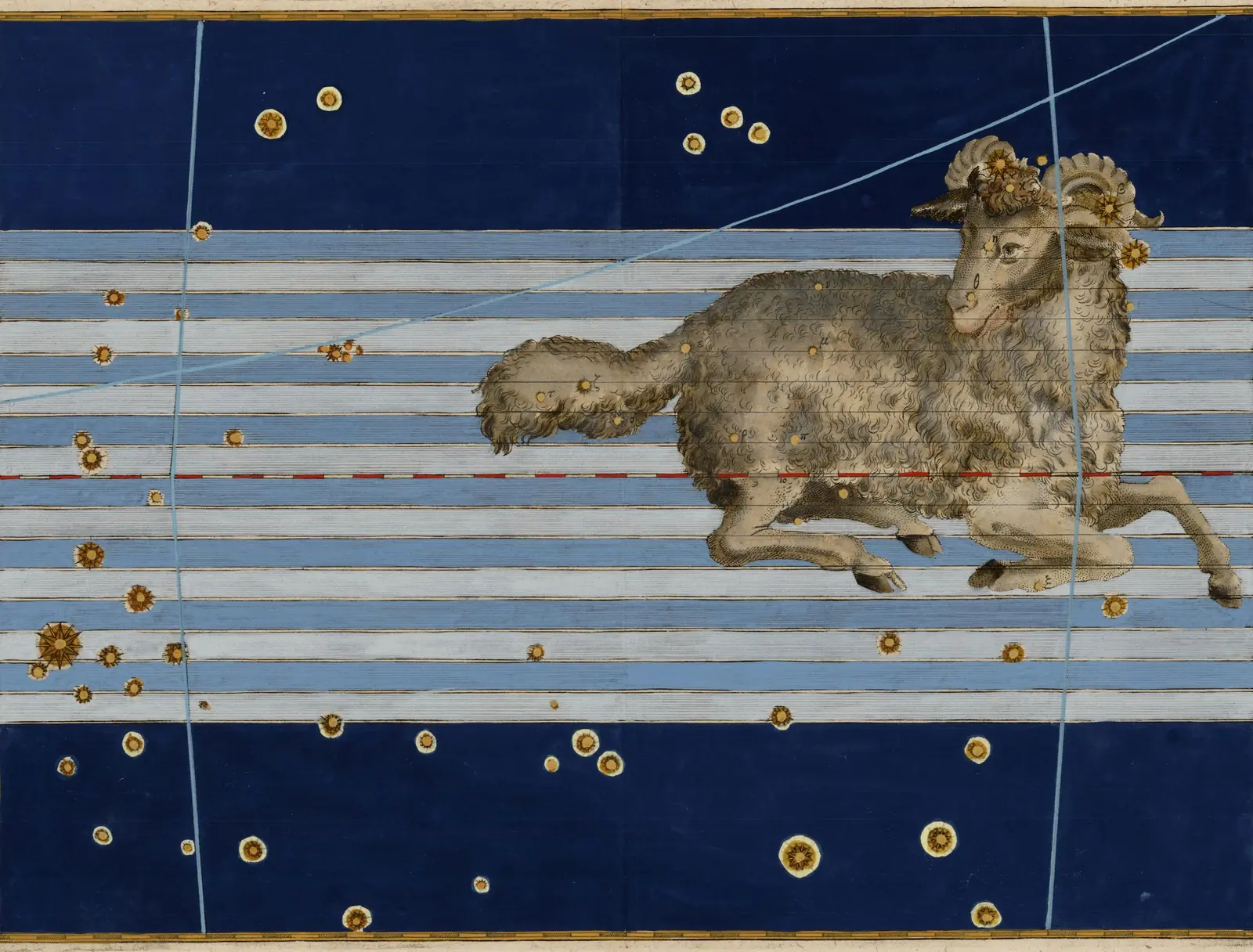
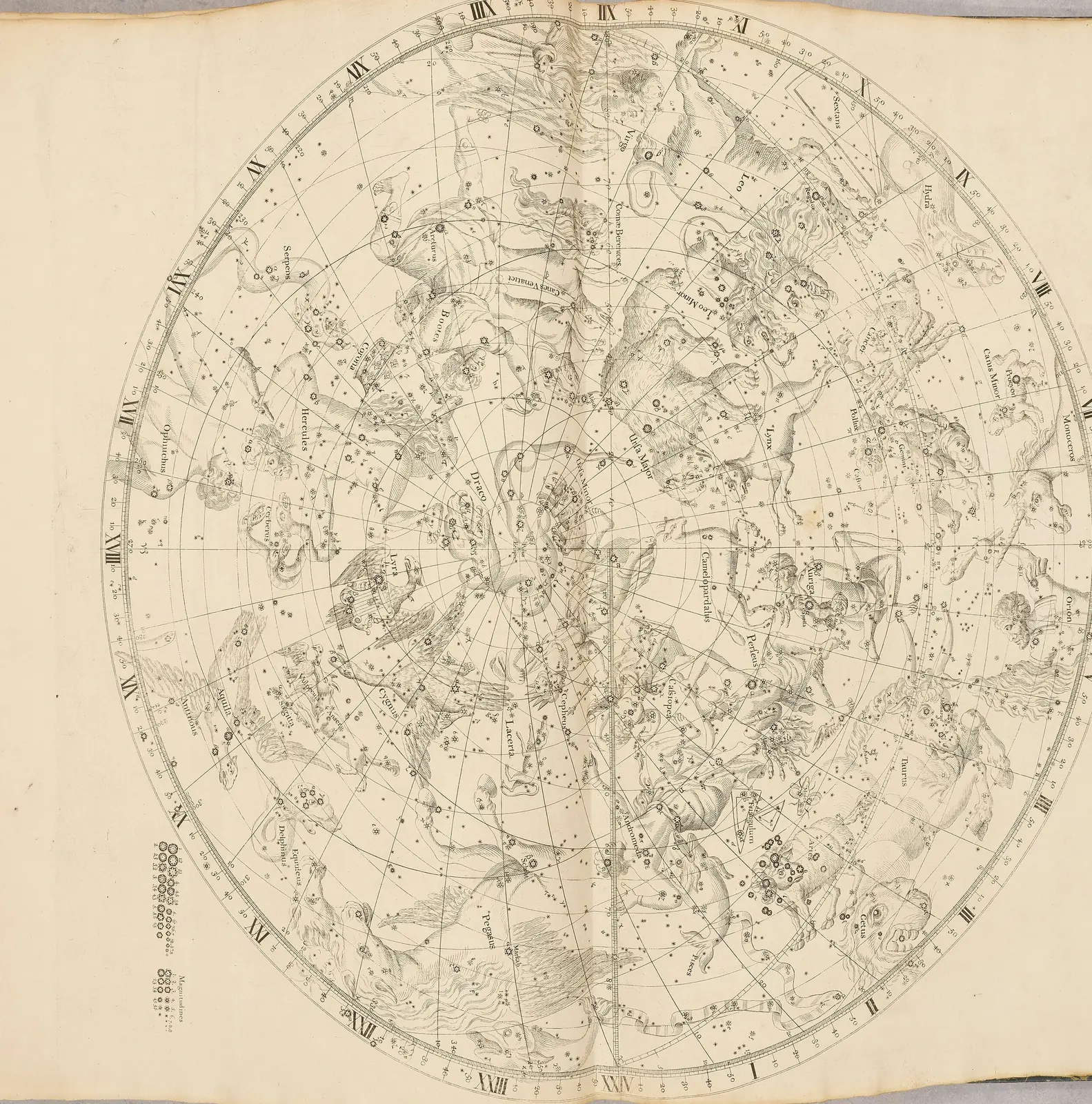
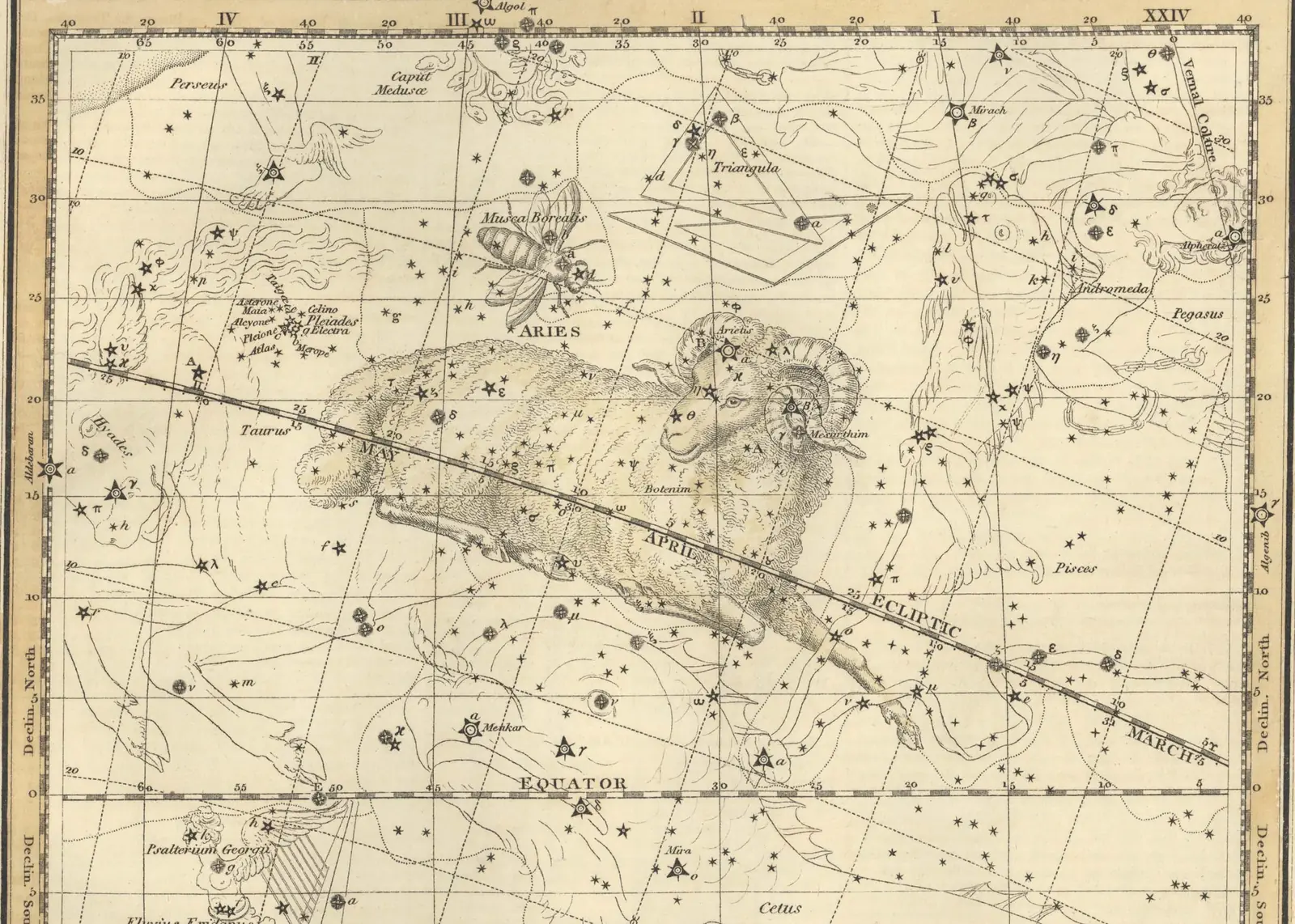
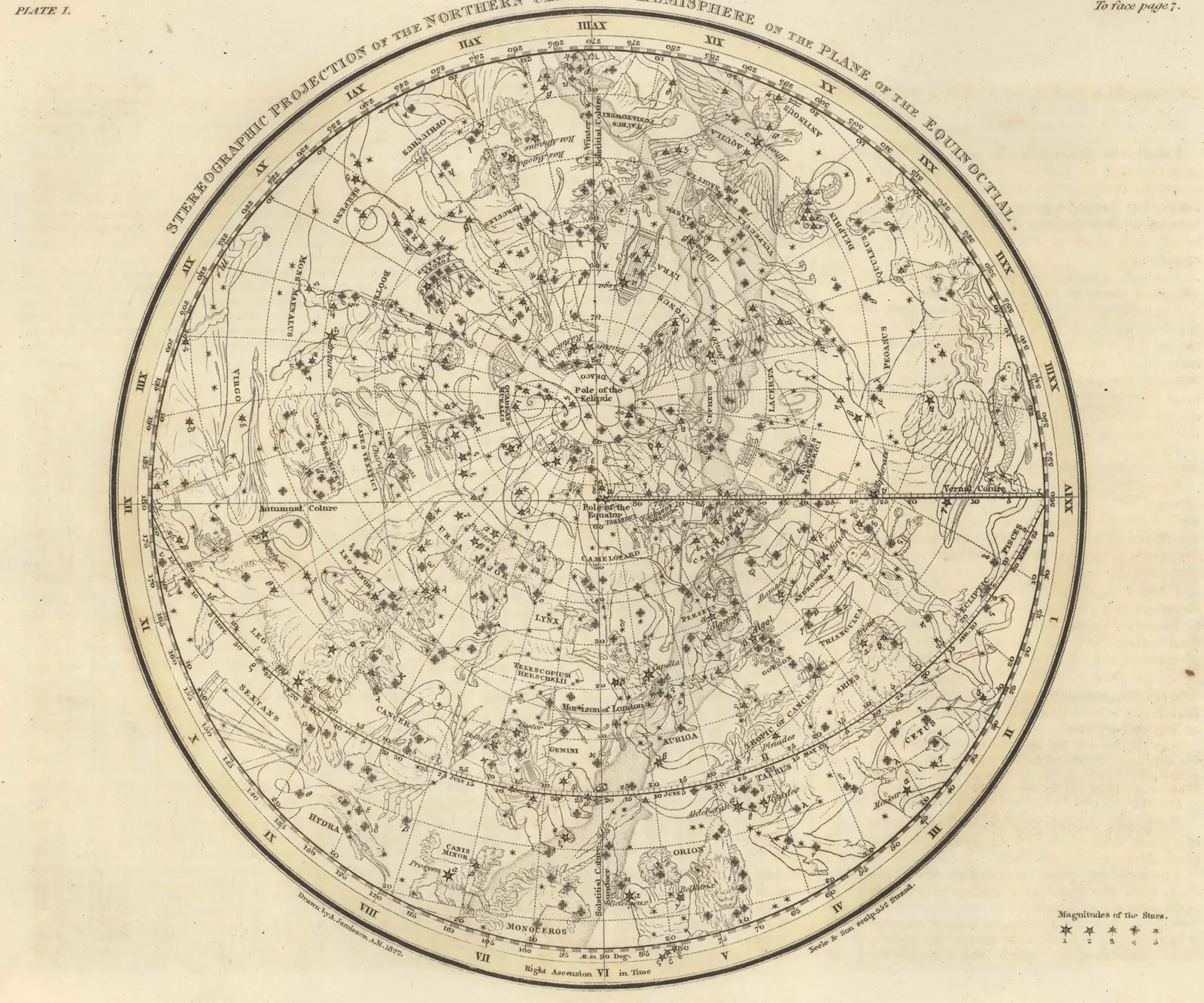
Johann Bayer, Uranometria, 1603
At a glance
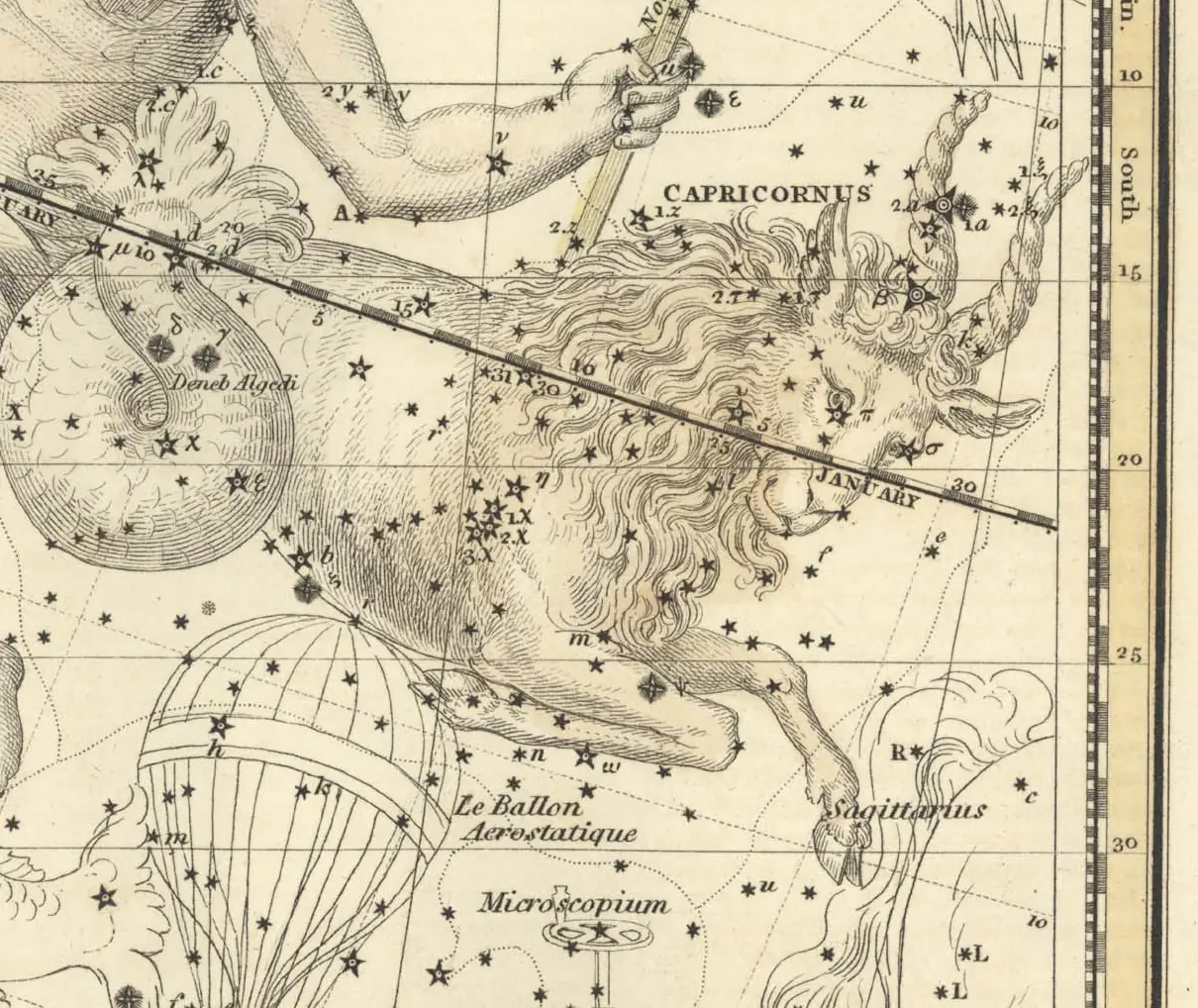
In 2026 the Sun enters sidereal Capricorn on January 14 and sidereal Aries on April 14. Every Lahiri sign begins 24 to 25 days after its Western twin.
- New Year's Day
- Sun in sidereal Sagittariusat 16.4°, until Jan 14
- Makar Sankranti
- Jan 14, 3:07 PM ISTJan 14, 2026 · 09:37 UTC
- Mesha Sankranti
- Apr 14, 9:32 AM ISTthe Sun enters sidereal Aries
- Lahiri ayanamsa
- 24°13′12″on Jan 1, 2026
- Same sign in both
- 70 of 365 daysabout 19% of 2026
Check your sidereal signAny birthday from 1900 to 2100.
The dates
Twelve sign changes, one Sun, all of 2026
Try this today
- Find your birthday in the period table further down, then check the exact hour in the checker if you are within a day of a change.
- Switch the time-zone chips in the tool to see which 2026 Sankrantis fall on a different date where you live.
Sidereal zodiac dates 2027Western (tropical) sign dates 2026
Search for sidereal dates and you will find lists that disagree by a day or two, sometimes more. That usually means someone copied a list made for a different year, or rounded everything to the 14th. So here is 2026, computed, to the minute.
The year opens with the Sun in sidereal Sagittarius (Dhanu), where it has been since Dec 15, 2025. Then it walks the circle: Capricorn on Jan 14, 2026 · 09:37 UTC, Aquarius on Feb 12, Pisces on Mar 14, Aries on Apr 14, 2026 · 04:02 UTC, Taurus on May 15 and Gemini on Jun 15.
The second half goes Cancer on Jul 16, Leo on Aug 17, Virgo on Sep 17, Libra on Oct 17, Scorpio on Nov 16, and back into Sagittarius on Dec 16.
Notice the rhythm: every ingress falls between the 12th and the 17th of a month. That is why people say "sidereal signs start mid-month". It is a useful rule of thumb, but if your birthday is on the 13th to the 17th, the hour matters, and so does your time zone.
The sky behind it
Each instant is when the Sun's apparent geocentric longitude, minus the true Lahiri ayanamsa, crosses a multiple of 30°. Computed with skyfield and JPL DE442, then checked against the Swiss Ephemeris (Moshier, sidereal Lahiri mode): every one of the 27 Sun ingresses in our table agrees to within 0.08 minutes.
The gap
Why Vedic signs start about 25 days later
Try this today
- Put your birthday in the checker and see whether you are in the overlap or one sign back.
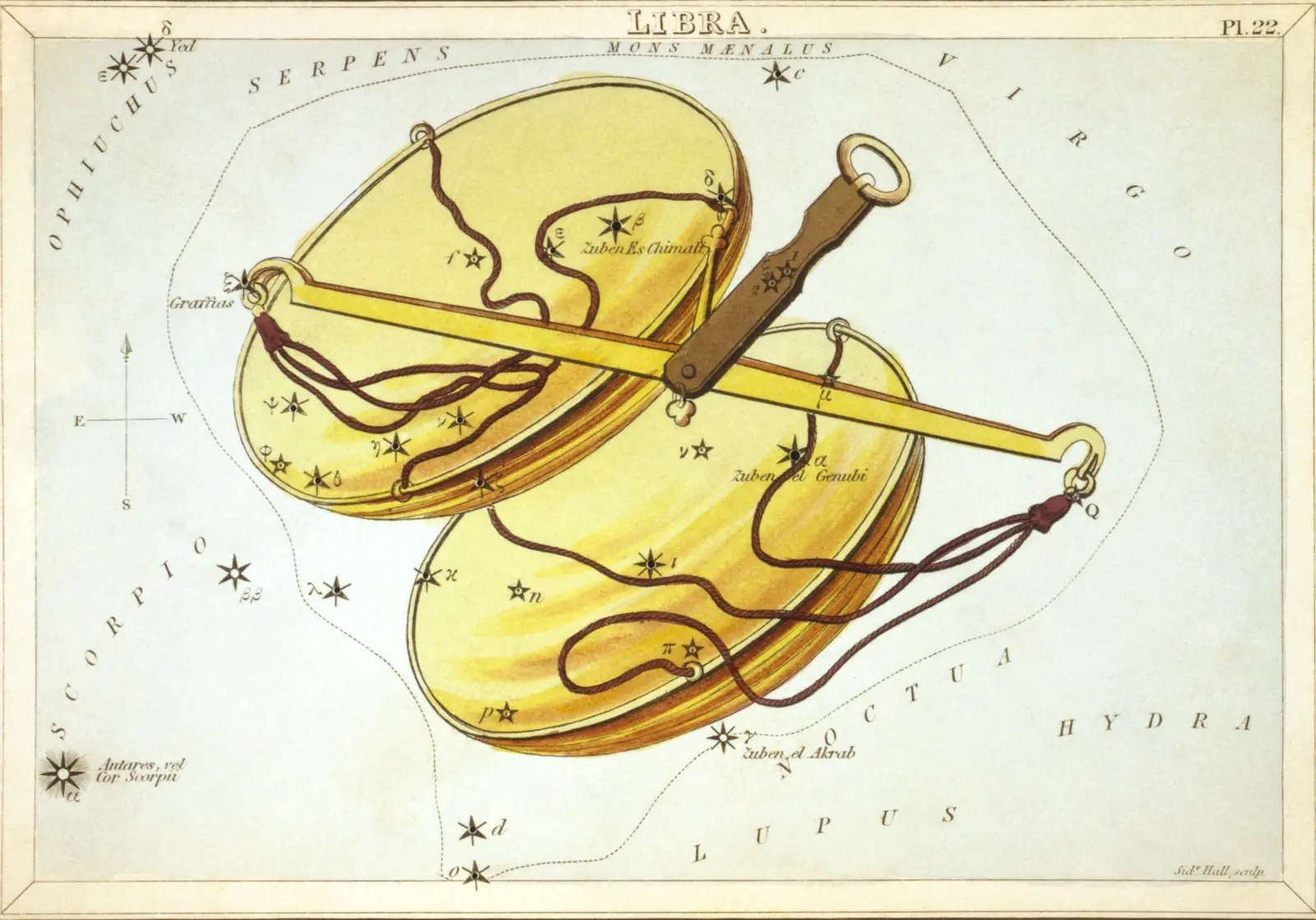
- Look at the Libra row in the main table: the Sun entered sidereal Libra on Oct 17, 2026, near Spica's anchor point.
Both zodiacs cut the Sun's path into twelve 30-degree signs. The only disagreement is where to put the zero.
Western astrology puts 0° Aries at the March equinox, the moment day and night are balanced. In 2026 that is Mar 20, 2026 · 14:45 UTC. Vedic astrology puts it at a point fixed among the stars, and the Sun does not reach that point until Apr 14, 2026 · 04:02 UTC, 24.6 days later.
The distance between the two zero points is the ayanamsa. On January 1, 2026, the Lahiri ayanamsa is 24°13′12″. It grows by about 50 arcseconds a year because Earth's axis wobbles slowly like a spinning top (precession), dragging the equinox backward along the stars. By January 1, 2027 it reaches 24°14′03″.
Lahiri is the official choice in India. It was adopted by the Calendar Reform Committee chaired by Meghnad Saha in the 1950s, and is named after the astronomer N. C. Lahiri. It sets the star Spica (Chitra) at the start of sidereal Libra, which is why you will also see it called Chitrapaksha.
So if your Western sign is Aries, there is a good chance your Vedic sign is Pisces. Only about 19% of the days in 2026 carry the same name in both systems.
The sky behind it
Lahiri as defined in the Swiss Ephemeris: 23.245524743° on JD 2435553.5 TT (1956 March 21), carried forward with the IAU 2006 general precession in longitude, plus nutation in longitude for the true value. Other ayanamsas differ: in 2026 Krishnamurti (KP) sits about 6 arcminutes from Lahiri, Fagan-Bradley about 0.9° and Raman about 1.4°. A degree moves an ingress by roughly a day.
Festivals of the Sun
The 2026 Sankrantis, and why calendars disagree by minutes
Try this today
- Use the India chip in the tool to see all twelve 2026 Sankrantis in IST with weekdays.
- Note the Dhanu and Meena months, Dec 15 to Jan 14 and Mar 14 to Apr 14: many North Indian families avoid weddings while the Sun is in these two signs (kharmas).
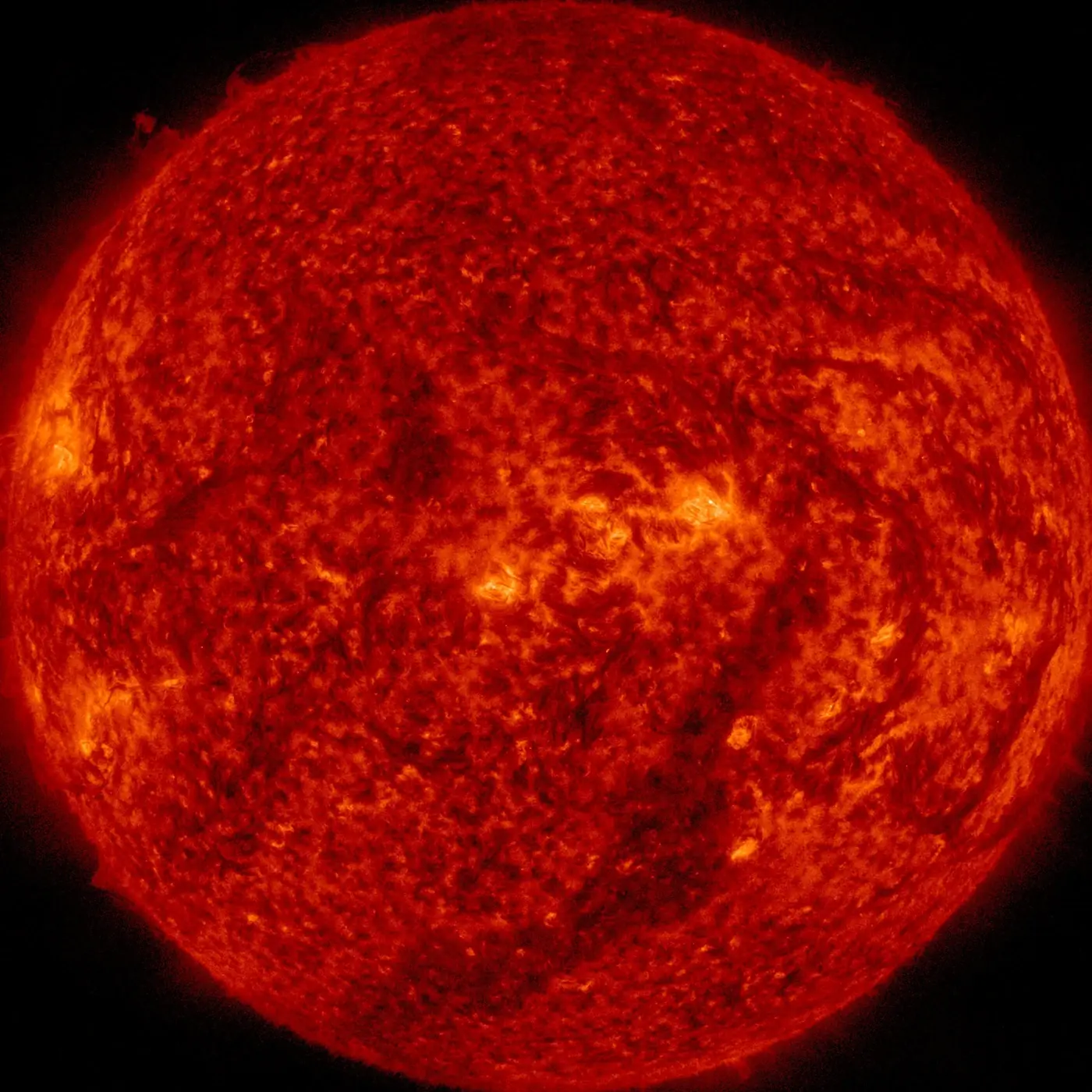
Each sidereal ingress of the Sun has a name: a Sankranti, "crossing over". Two of them anchor big festivals.
Makar Sankranti, the Sun's entry into Makara (Capricorn), falls at Jan 14, 2026, 3:07 PM IST by our calculation. It is celebrated across India under many names, among them Pongal in Tamil Nadu and Lohri the evening before in Punjab, and it is one of the few Hindu festivals pinned to the solar calendar rather than the Moon.
Mesha Sankranti, the Sun's entry into Mesha (Aries), comes at Apr 14, 2026, 9:32 AM IST. Several regional solar calendars start their new year around it: Vishu in Kerala, Puthandu in Tamil Nadu and Pohela Boishakh in Bengal.
If you compare our times with a panchang you may see a few minutes' difference. Drik Panchang, for example, lists Makar Sankranti 2026 at 3:13 PM IST and Mesha Sankranti at 9:39 AM IST; we get 3:07 PM IST and 9:32 AM IST. Both use "Lahiri", but small differences in how the ayanamsa is defined move the Sun's crossing by a few minutes. And the festival day itself follows rules about sunrise and the auspicious window (punya kala) after the crossing, so a late-evening Sankranti is often observed the next morning. For rituals, follow your family's panchang. For the astronomy, the table is exact.
The sky behind it
All twelve 2026 Sankrantis in IST: Makara Jan 14, 3:07 PM IST; Kumbha Feb 13, 4:08 AM IST; Meena Mar 15, 1:03 AM IST; Mesha Apr 14, 9:32 AM IST; Vrishabha May 15, 6:21 AM IST; Mithuna Jun 15, 12:52 PM IST; Karka Jul 16, 11:39 PM IST; Simha Aug 17, 7:58 AM IST; Kanya Sep 17, 7:52 AM IST; Tula Oct 17, 7:51 PM IST; Vrishchika Nov 16, 7:43 PM IST; Dhanu Dec 16, 10:24 AM IST.
Long and short months
Sidereal Gemini lasts 31.4 days, Sagittarius only 29.4
Try this today
- Compare the Days column in the main table: it rises smoothly from winter to summer and falls back again.
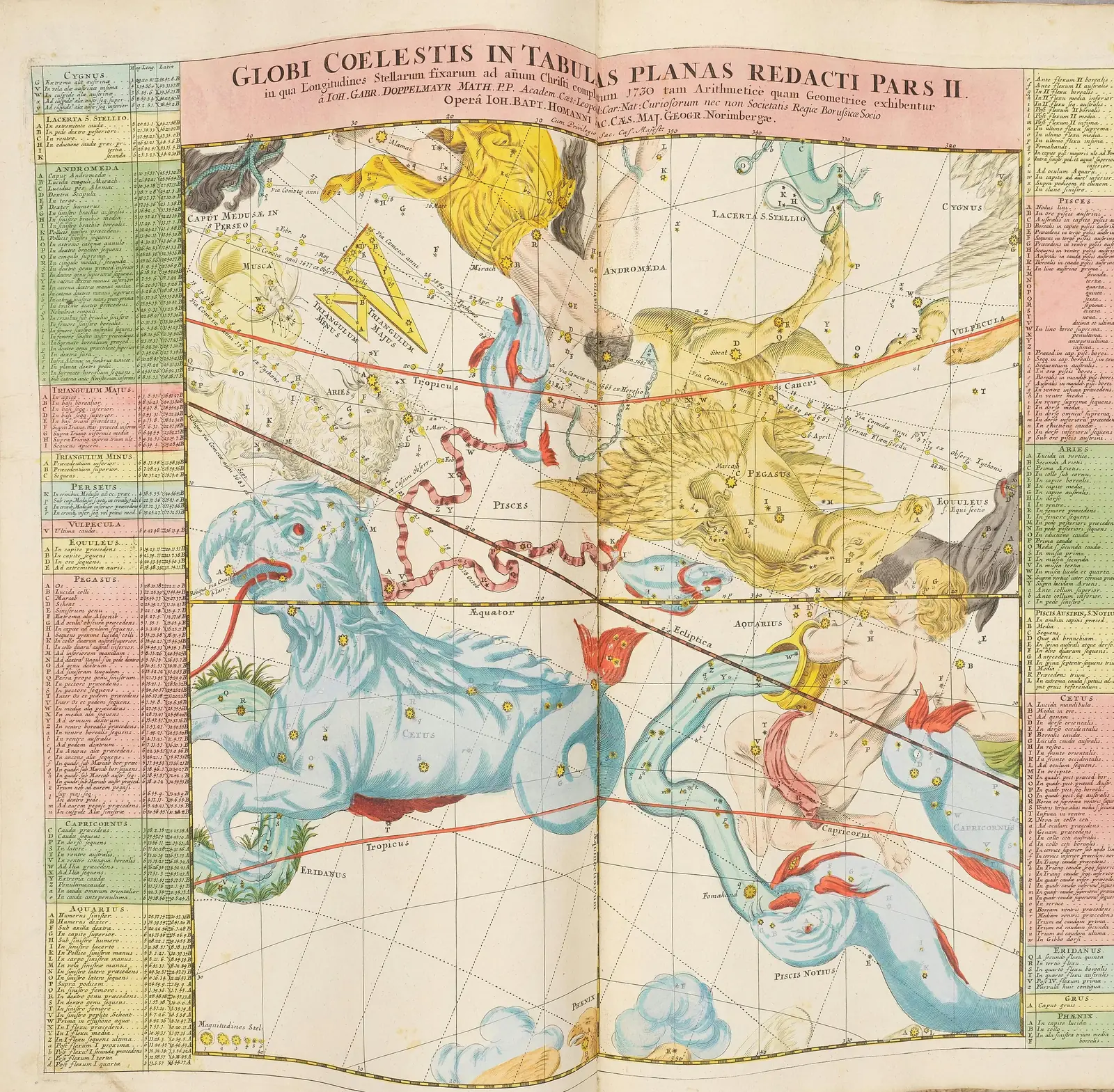
Every sidereal sign is exactly 30 degrees wide, yet the Sun does not spend the same time in each. In 2026 it lingers 31.45 days in Gemini (Jun 15 to Jul 16) but rushes through Sagittarius in 29.45 days (Dec 16 to Jan 14).
The reason is Earth's orbit. It is a slightly stretched ellipse, and Earth moves fastest when closest to the Sun, in early January, and slowest when farthest, in early July. From here that looks like the Sun speeding up in the northern winter and dawdling in the summer.
That is why Taurus, Gemini and Cancer each run past 31 days in 2026, while Capricorn, Aquarius, Libra, Scorpio and Sagittarius each come in under 30. The same thing happens in the Western zodiac, shifted by a few weeks.
A practical side effect: in the Vedic solar calendars that count months from Sankranti to Sankranti, the summer months have more days. Regional solar calendars such as the Tamil and Bengali ones count their months this way.
The sky behind it
Durations are ingress-to-ingress times from the same DE442 run. Earth's perihelion and aphelion fall in early January and early July; the exact 2026 instants are not needed for this comparison, so we do not quote them here.
The other grahas
Jupiter's exaltation, Venus at home and a Rahu shift: 2026 in the sidereal sky
Try this today
- Scroll to the tables for every Mercury, Venus, Mars, Jupiter, Saturn and Rahu sign change of 2026, with IST times.
- Want your own sidereal chart, not just the Sun? The sidereal sign calculator does every planet.
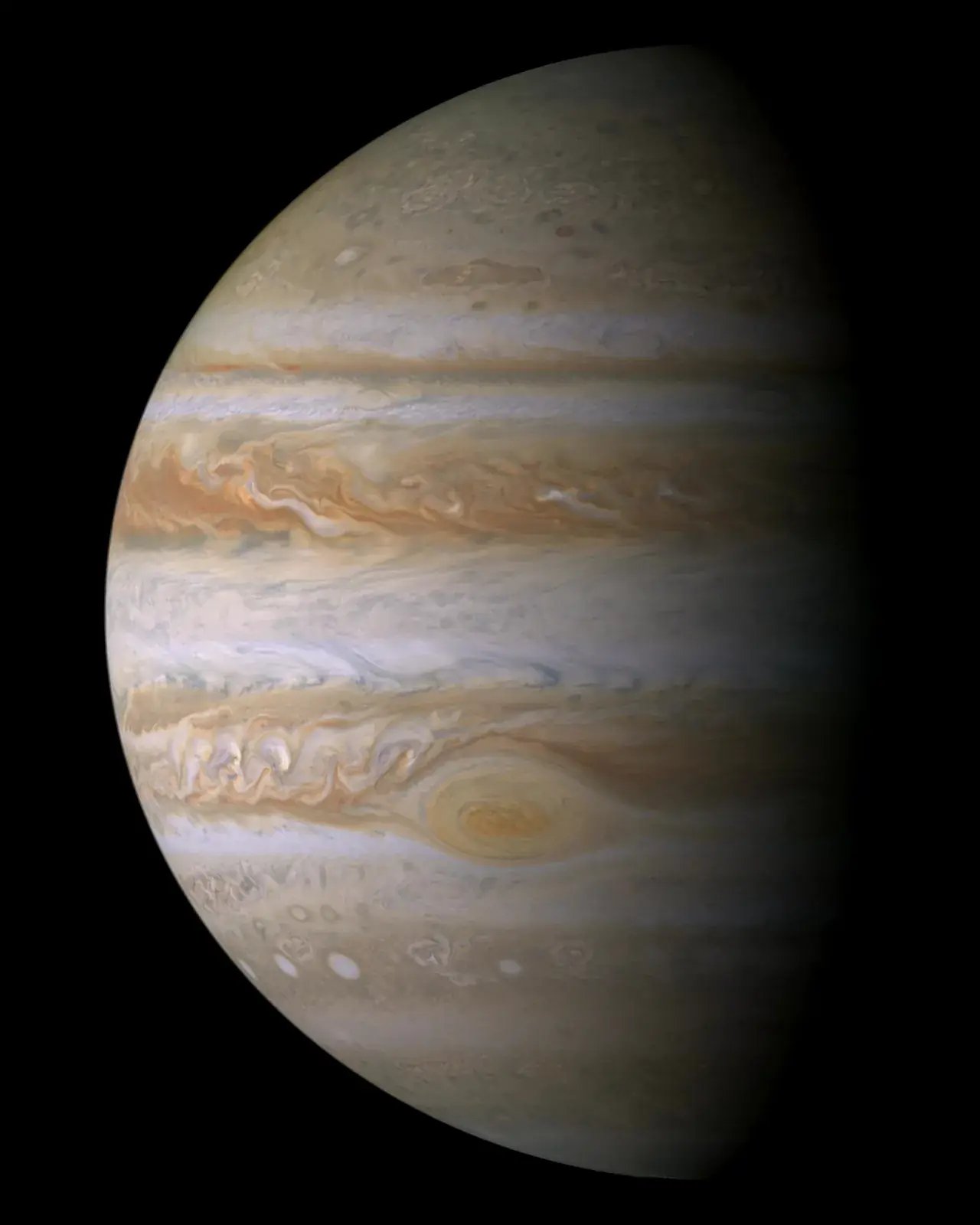
A sidereal calendar is not just about the Sun. Here are the big moves of 2026, all Lahiri.
Jupiter starts the year retrograde in sidereal Gemini, enters Cancer at Jun 1, 2026 · 20:20 UTC (Jun 2, 1:50 AM IST) and moves into Leo at Oct 31, 2026 · 06:32 UTC. Cancer is Jupiter's sign of exaltation in both the Vedic and the classical Western traditions; Ptolemy lists the same dignity. For comparison, Western (tropical) Jupiter enters Leo on Jun 30, 2026, months earlier.
Saturn stays in sidereal Pisces all year, at 1.9° on January 1. In the Western zodiac Saturn has been in Aries since Feb 14, 2026, so this is one of the years where the two systems tell very different Saturn stories.
Venus enters sidereal Libra, one of its own signs, on Sep 2, 2026, slips back into Virgo while retrograde on Nov 5, 2026, returns on Nov 22, 2026 and stays until Jan 1, 2027.
Mars reaches sidereal Leo on Nov 12, 2026 and is still there when 2026 ends. Mercury dips back a sign while retrograde once (Cancer to Gemini, Jul 7).
Rahu and Ketu (mean nodes) move from Aquarius and Leo into Capricorn and Cancer at Dec 5, 2026 · 17:03 UTC, a shift that happens roughly every 18 months.
The sky behind it
Rahu and Ketu here are the mean lunar nodes (Meeus, Astronomical Algorithms, 47.7), which most Indian panchangs use. Ketu is always exactly opposite Rahu, so its ingress (Leo to Cancer) is the same instant. Exaltation dignities: Ptolemy, Tetrabiblos I.19; the same scheme appears in Vedic texts.
Two zodiacs, one birthday
Find your sidereal sign, then see 2026 in your time zone
Enter any birthday to get your Lahiri sidereal Sun sign, its degree and nakshatra, next to your Western sign. Below, the year's twelve Sankrantis re-timed for the city you pick.
Pick a date and press the button. It works for any birthday, not just 2026: the sidereal dates drift only about a day every 72 years.
The 2026 Sankrantis in your time zone
- Capricorn (Makara)Wed, Jan 14, 3:07 PM
- Aquarius (Kumbha)Fri, Feb 13, 4:08 AM *
- Pisces (Meena)Sun, Mar 15, 1:03 AM *
- Aries (Mesha)Tue, Apr 14, 9:32 AM
- Taurus (Vrishabha)Fri, May 15, 6:21 AM
- Gemini (Mithuna)Mon, Jun 15, 12:52 PM
- Cancer (Karka)Thu, Jul 16, 11:39 PM
- Leo (Simha)Mon, Aug 17, 7:58 AM
- Virgo (Kanya)Thu, Sep 17, 7:52 AM
- Libra (Tula)Sat, Oct 17, 7:51 PM
- Scorpio (Vrishchika)Mon, Nov 16, 7:43 PM
- Sagittarius (Dhanu)Wed, Dec 16, 10:24 AM
* The local date differs from the UTC date in the table. Festival days also depend on local sunrise rules, so a panchang may observe the next day.
Right now
Checking the sky...
More to read
Shorter reads. Each opens in place.
Fine print
Lahiri, Raman, KP: why we use one
There are more than a dozen ayanamsas. They agree that the zodiac should be tied to the stars and disagree on the exact offset: Krishnamurti (KP) by a few arcminutes from Lahiri, Fagan-Bradley by about 0.9° and Raman by about 1.4°. A degree moves a Sun ingress by roughly a day.
Continue readingShow less
We use Lahiri because it is India's official standard, it is the default in most Vedic software, and it is what people almost always mean by "sidereal dates". If your astrologer uses Krishnamurti (KP) or Raman, your dates shift a little, and the checker on this page would need a different offset.
No crisis
Does this mean your Western sign is wrong?
No. The two zodiacs measure different things. Tropical signs follow the seasons; sidereal signs follow the stars. A Western astrologer reading you as an Aries and a Vedic astrologer reading you as a Pisces are both working correctly inside their own systems.
Continue readingShow less
What you cannot do is mix them: a Western interpretation of a sidereal placement, or the reverse, mixes two rulers.
Sidereal zodiac dates 2026: the full tables
Lahiri ayanamsa 24°13′12″ on January 1, 2026. Times are exact to the minute; IST is UTC + 5:30.
| Sign (rashi) | Sun enters (UTC) | India (IST) | Days in sign | Tropical sign begins |
|---|---|---|---|---|
| Capricorn (Makara) | Jan 14, 2026 · 09:37 UTC | Jan 14, 3:07 PM IST | 29.54 | Dec 21, 2025 (24 days earlier) |
| Aquarius (Kumbha) | Feb 12, 2026 · 22:38 UTC | Feb 13, 4:08 AM IST | 29.87 | Jan 20, 2026 (24 days earlier) |
| Pisces (Meena) | Mar 14, 2026 · 19:33 UTC | Mar 15, 1:03 AM IST | 30.35 | Feb 18, 2026 (24 days earlier) |
| Aries (Mesha) | Apr 14, 2026 · 04:02 UTC | Apr 14, 9:32 AM IST | 30.87 | Mar 20, 2026 (25 days earlier) |
| Taurus (Vrishabha) | May 15, 2026 · 00:51 UTC | May 15, 6:21 AM IST | 31.27 | Apr 20, 2026 (25 days earlier) |
| Gemini (Mithuna) | Jun 15, 2026 · 07:22 UTC | Jun 15, 12:52 PM IST | 31.45 | May 21, 2026 (25 days earlier) |
| Cancer (Karka) | Jul 16, 2026 · 18:09 UTC | Jul 16, 11:39 PM IST | 31.35 | Jun 21, 2026 (25 days earlier) |
| Leo (Simha) | Aug 17, 2026 · 02:28 UTC | Aug 17, 7:58 AM IST | 31.00 | Jul 22, 2026 (25 days earlier) |
| Virgo (Kanya) | Sep 17, 2026 · 02:22 UTC | Sep 17, 7:52 AM IST | 30.50 | Aug 23, 2026 (25 days earlier) |
| Libra (Tula) | Oct 17, 2026 · 14:21 UTC | Oct 17, 7:51 PM IST | 29.99 | Sep 23, 2026 (25 days earlier) |
| Scorpio (Vrishchika) | Nov 16, 2026 · 14:13 UTC | Nov 16, 7:43 PM IST | 29.61 | Oct 23, 2026 (24 days earlier) |
| Sagittarius (Dhanu) | Dec 16, 2026 · 04:54 UTC | Dec 16, 10:24 AM IST | 29.45 | Nov 22, 2026 (24 days earlier) |
| Sign | From | To | Tropical dates for comparison |
|---|---|---|---|
| Sagittarius | Dec 15, 2025 · 22:50 UTC | Jan 14, 2026 · 09:37 UTC | Nov 22 to Dec 21 |
| Capricorn | Jan 14, 2026 · 09:37 UTC | Feb 12, 2026 · 22:38 UTC | Dec 21 to Jan 20 |
| Aquarius | Feb 12, 2026 · 22:38 UTC | Mar 14, 2026 · 19:33 UTC | Jan 20 to Feb 18 |
| Pisces | Mar 14, 2026 · 19:33 UTC | Apr 14, 2026 · 04:02 UTC | Feb 18 to Mar 20 |
| Aries | Apr 14, 2026 · 04:02 UTC | May 15, 2026 · 00:51 UTC | Mar 20 to Apr 20 |
| Taurus | May 15, 2026 · 00:51 UTC | Jun 15, 2026 · 07:22 UTC | Apr 20 to May 21 |
| Gemini | Jun 15, 2026 · 07:22 UTC | Jul 16, 2026 · 18:09 UTC | May 21 to Jun 21 |
| Cancer | Jul 16, 2026 · 18:09 UTC | Aug 17, 2026 · 02:28 UTC | Jun 21 to Jul 22 |
| Leo | Aug 17, 2026 · 02:28 UTC | Sep 17, 2026 · 02:22 UTC | Jul 22 to Aug 23 |
| Virgo | Sep 17, 2026 · 02:22 UTC | Oct 17, 2026 · 14:21 UTC | Aug 23 to Sep 23 |
| Libra | Oct 17, 2026 · 14:21 UTC | Nov 16, 2026 · 14:13 UTC | Sep 23 to Oct 23 |
| Scorpio | Nov 16, 2026 · 14:13 UTC | Dec 16, 2026 · 04:54 UTC | Oct 23 to Nov 22 |
| Sagittarius | Dec 16, 2026 · 04:54 UTC | Jan 14, 2027 · 15:40 UTC | Nov 22 to Dec 21 |
| Body | Sign on Jan 1 | Degree | Sign changes in 2026 |
|---|---|---|---|
| Sun | Sagittarius (Dhanu) | 16.35° | 12 |
| Mercury | Sagittarius (Dhanu) | 4.43° | 14 |
| Venus | Sagittarius (Dhanu) | 14.98° | 12 |
| Mars | Sagittarius (Dhanu) | 18.47° | 8 |
| Jupiter | Gemini (Mithuna) | 27.14° | 2 |
| Saturn | Pisces (Meena) | 1.95° | 0 |
| Rahu | Aquarius (Kumbha) | 17.95° | 1 |
| Ketu | Leo (Simha) | 17.95° | 1 |
| When (UTC) | India (IST) | Sign change | Retrograde entry? |
|---|---|---|---|
| Jun 1, 2026 · 20:20 UTC | Jun 2, 1:50 AM IST | Gemini to Cancer | No |
| Oct 31, 2026 · 06:32 UTC | Oct 31, 12:02 PM IST | Cancer to Leo | No |
| When (UTC) | India (IST) | Sign change | Retrograde entry? |
|---|---|---|---|
| No sign change this year | Stays in Pisces |
| When (UTC) | India (IST) | Sign change | Retrograde entry? |
|---|---|---|---|
| Dec 5, 2026 · 17:03 UTC | Dec 5, 10:33 PM IST | Aquarius to Capricorn | Yes, moving backward |
| When (UTC) | India (IST) | Sign change | Retrograde entry? |
|---|---|---|---|
| Jan 15, 2026 · 22:58 UTC | Jan 16, 4:28 AM IST | Sagittarius to Capricorn | No |
| Feb 23, 2026 · 06:20 UTC | Feb 23, 11:50 AM IST | Capricorn to Aquarius | No |
| Apr 2, 2026 · 09:59 UTC | Apr 2, 3:29 PM IST | Aquarius to Pisces | No |
| May 11, 2026 · 07:08 UTC | May 11, 12:38 PM IST | Pisces to Aries | No |
| Jun 20, 2026 · 18:29 UTC | Jun 20, 11:59 PM IST | Aries to Taurus | No |
| Aug 2, 2026 · 17:21 UTC | Aug 2, 10:51 PM IST | Taurus to Gemini | No |
| Sep 18, 2026 · 11:05 UTC | Sep 18, 4:35 PM IST | Gemini to Cancer | No |
| Nov 12, 2026 · 14:48 UTC | Nov 12, 8:18 PM IST | Cancer to Leo | No |
| When (UTC) | India (IST) | Sign change | Retrograde entry? |
|---|---|---|---|
| Jan 12, 2026 · 22:28 UTC | Jan 13, 3:58 AM IST | Sagittarius to Capricorn | No |
| Feb 5, 2026 · 19:41 UTC | Feb 6, 1:11 AM IST | Capricorn to Aquarius | No |
| Mar 1, 2026 · 19:27 UTC | Mar 2, 12:57 AM IST | Aquarius to Pisces | No |
| Mar 25, 2026 · 23:39 UTC | Mar 26, 5:09 AM IST | Pisces to Aries | No |
| Apr 19, 2026 · 10:16 UTC | Apr 19, 3:46 PM IST | Aries to Taurus | No |
| May 14, 2026 · 05:23 UTC | May 14, 10:53 AM IST | Taurus to Gemini | No |
| Jun 8, 2026 · 12:12 UTC | Jun 8, 5:42 PM IST | Gemini to Cancer | No |
| Jul 4, 2026 · 13:43 UTC | Jul 4, 7:13 PM IST | Cancer to Leo | No |
| Aug 1, 2026 · 03:58 UTC | Aug 1, 9:28 AM IST | Leo to Virgo | No |
| Sep 2, 2026 · 08:14 UTC | Sep 2, 1:44 PM IST | Virgo to Libra | No |
| Nov 5, 2026 · 19:34 UTC | Nov 6, 1:04 AM IST | Libra to Virgo | Yes, moving backward |
| Nov 22, 2026 · 11:50 UTC | Nov 22, 5:20 PM IST | Virgo to Libra | No |
| When (UTC) | India (IST) | Sign change | Retrograde entry? |
|---|---|---|---|
| Jan 17, 2026 · 04:54 UTC | Jan 17, 10:24 AM IST | Sagittarius to Capricorn | No |
| Feb 3, 2026 · 16:22 UTC | Feb 3, 9:52 PM IST | Capricorn to Aquarius | No |
| Apr 10, 2026 · 19:46 UTC | Apr 11, 1:16 AM IST | Aquarius to Pisces | No |
| Apr 30, 2026 · 01:22 UTC | Apr 30, 6:52 AM IST | Pisces to Aries | No |
| May 14, 2026 · 19:02 UTC | May 15, 12:32 AM IST | Aries to Taurus | No |
| May 29, 2026 · 05:41 UTC | May 29, 11:11 AM IST | Taurus to Gemini | No |
| Jun 22, 2026 · 10:00 UTC | Jun 22, 3:30 PM IST | Gemini to Cancer | No |
| Jul 7, 2026 · 05:16 UTC | Jul 7, 10:46 AM IST | Cancer to Gemini | Yes, moving backward |
| Aug 5, 2026 · 14:24 UTC | Aug 5, 7:54 PM IST | Gemini to Cancer | No |
| Aug 22, 2026 · 14:01 UTC | Aug 22, 7:31 PM IST | Cancer to Leo | No |
| Sep 7, 2026 · 08:02 UTC | Sep 7, 1:32 PM IST | Leo to Virgo | No |
| Sep 26, 2026 · 07:08 UTC | Sep 26, 12:38 PM IST | Virgo to Libra | No |
| Dec 2, 2026 · 11:57 UTC | Dec 2, 5:27 PM IST | Libra to Scorpio | No |
| Dec 22, 2026 · 02:09 UTC | Dec 22, 7:39 AM IST | Scorpio to Sagittarius | No |
All times are UTC. In the Americas the local date can be a day earlier; in Asia and Australia a day later.
Quick answers
What are the sidereal zodiac dates for 2026?
Using the Lahiri ayanamsa, the Sun is in Sagittarius until Jan 14, then Capricorn Jan 14, Aquarius Feb 12, Pisces Mar 14, Aries Apr 14, Taurus May 15, Gemini Jun 15, Cancer Jul 16, Leo Aug 17, Virgo Sep 17, Libra Oct 17, Scorpio Nov 16 and Sagittarius Dec 16. Each date is the day the Sun enters, in UTC.
When is Makar Sankranti 2026?
The Sun enters sidereal Capricorn (Makara) at Jan 14, 2026 · 09:37 UTC, which is Jan 14, 2026, 3:07 PM IST. Panchangs that use a slightly different Lahiri value can list a time a few minutes later; Drik Panchang gives 3:13 PM IST for New Delhi.
Why are Vedic zodiac dates different from Western ones?
Western astrology starts Aries at the March equinox. Vedic astrology starts it from a point fixed to the stars. The gap between the two, the ayanamsa, is 24°13′12″ on January 1, 2026, so every sidereal sign starts 24 to 25 days after its Western namesake.
What is my sidereal sign if I was born in 2026?
Use the checker on this page: enter the date, time and time zone. It gives your Lahiri sidereal sign, the degree, the Sun's nakshatra and your Western sign, and warns you when the Sun was within a day of changing sign.
Is the sidereal zodiac the same as the real constellations?
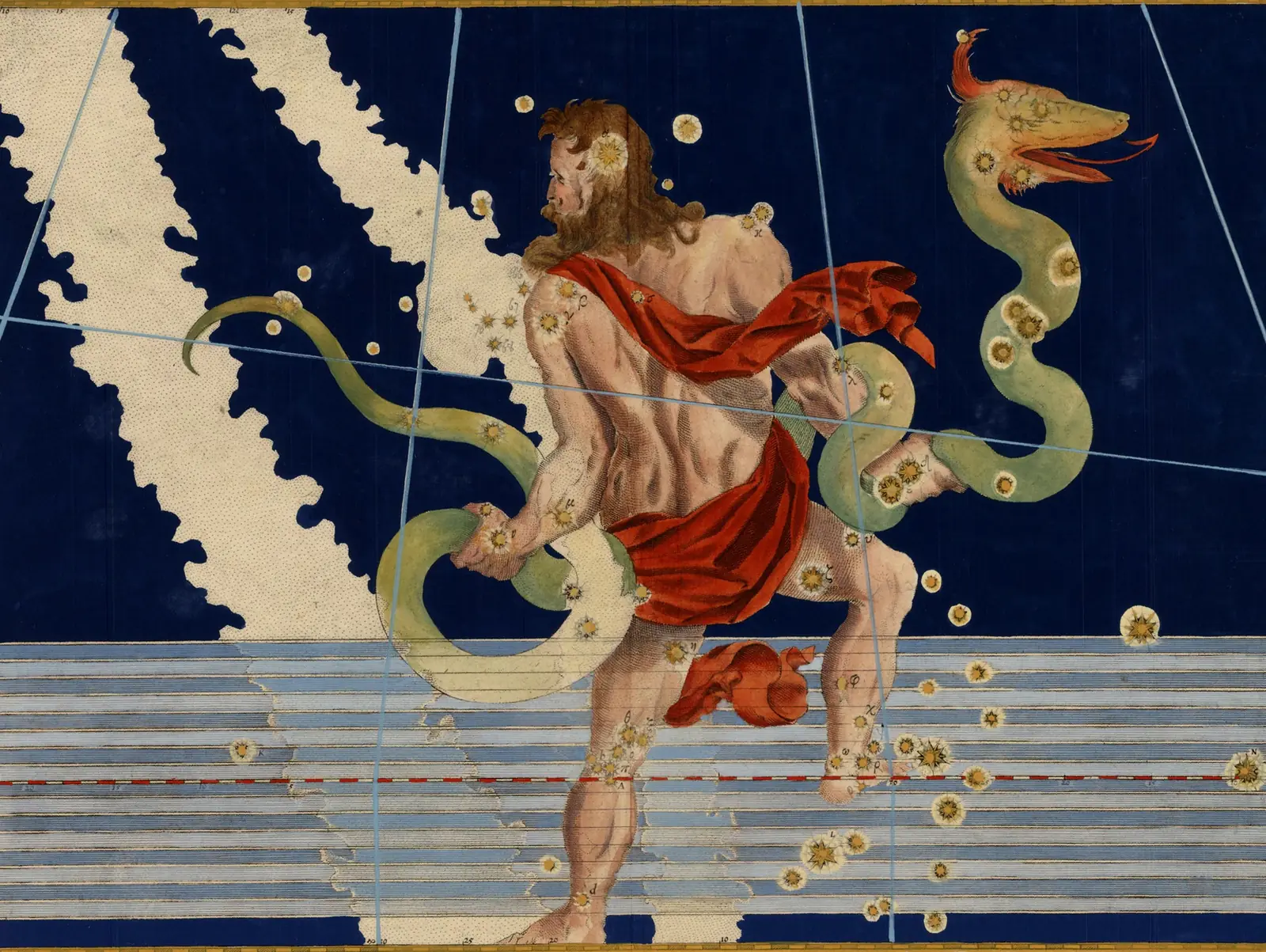
No. The sidereal zodiac still has 12 equal signs of 30 degrees, fixed to the stars by the Lahiri ayanamsa. The constellations themselves are unequal and there are 13 on the Sun's path, Ophiuchus included. Our real zodiac dates page lists those.
When does Jupiter enter Cancer in 2026 in Vedic astrology?
Jupiter enters sidereal Cancer at Jun 1, 2026 · 20:20 UTC (Jun 2, 2026, 1:50 AM IST) and moves on into sidereal Leo at Oct 31, 2026 · 06:32 UTC (Oct 31, 2026, 12:02 PM IST).
When does Rahu change sign in 2026?
The mean Rahu moves back from sidereal Aquarius into Capricorn at Dec 5, 2026 · 17:03 UTC (Dec 5, 2026, 10:33 PM IST), and Ketu moves from Leo into Cancer at the same moment. Panchangs that use the true node give a slightly different date.
Do the sidereal dates change every year?
Only slowly. Each ingress comes about six hours later the next year because the calendar year is shorter than the Sun's circuit, and leap days pull it back. Over decades precession adds about one day every 72 years.