Astrology systems · The comparison
Which astrology is most accurate? Ask what it measures first
Today the Sun sits in Libra in the Western zodiac, in Libra in the Vedic one, and in front of the stars of Virgo. Three answers, all correct. Here is why.
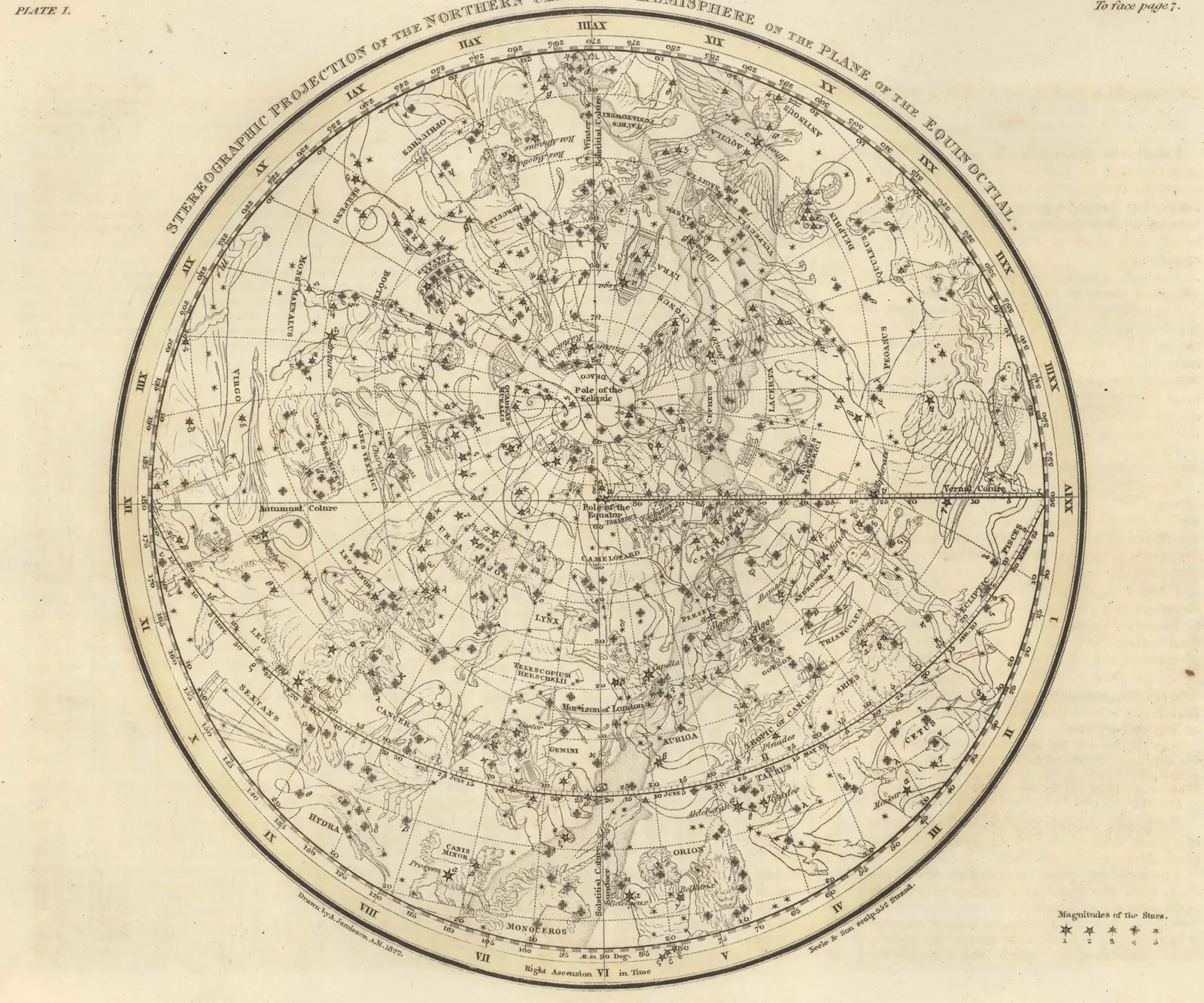
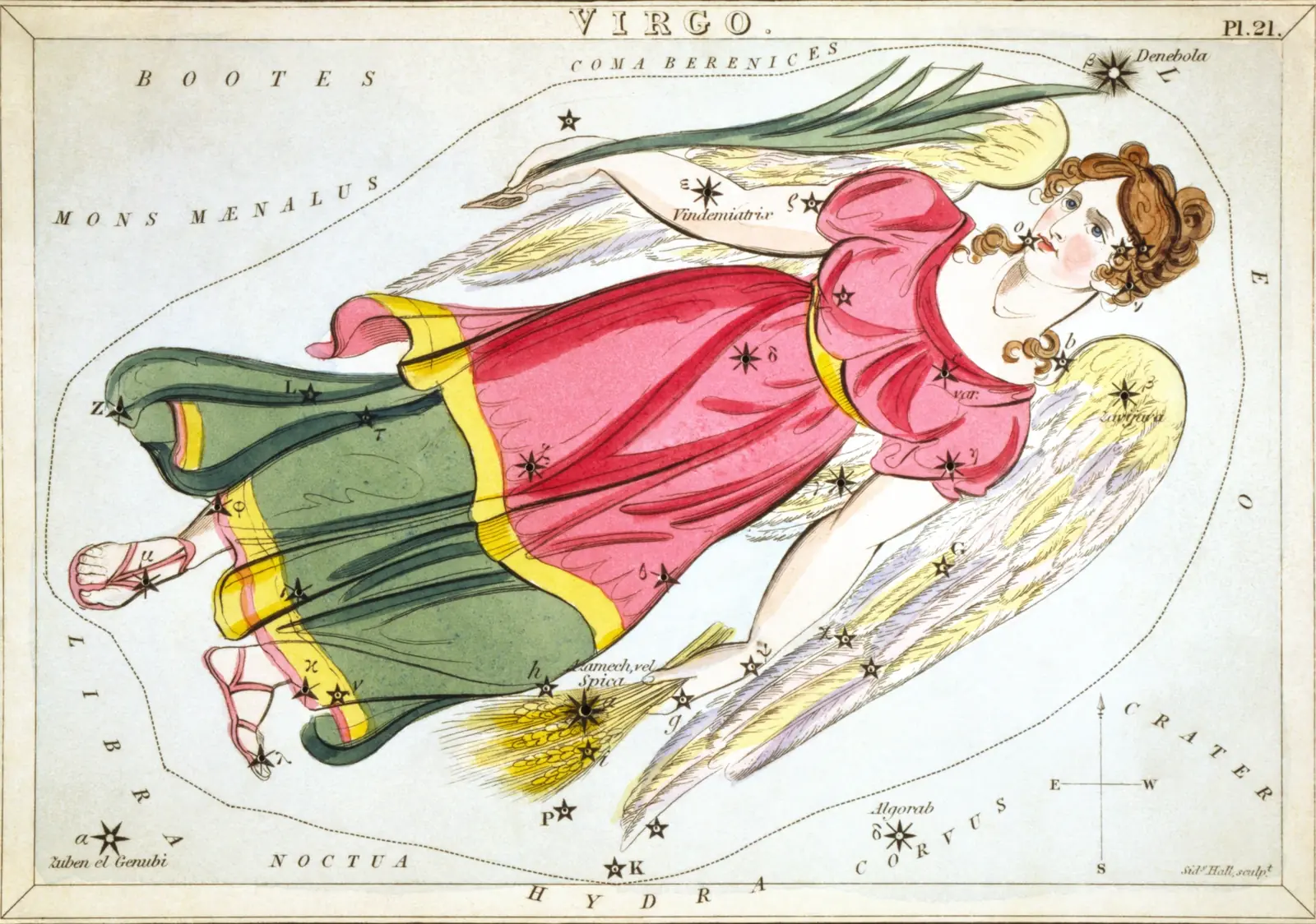
Alexander Jamieson, A Celestial Atlas, 1822 · US Naval Observatory Library
At a glance
No system has been shown to be more accurate in controlled tests. They measure different things: Western counts from the seasons, Vedic from the stars (24°14′ apart in 2026), the Chinese zodiac from the lunar calendar. Pick the one whose anchor you care about.
- Sun today, Western
- 25°07′ LibraOctober 18, 2026, tropical
- Sun today, Vedic
- 0°53′ LibraSidereal, Lahiri ayanamsa
- Sun today, the stars
- VirgoIAU constellation boundaries
- Different Vedic sign
- about 81% of the zodiacShare of degrees that change sign
- Chinese year
- Fire Horse → Fire GoatChanges on February 6, 2027
See your birthday in every systemWestern, Vedic, constellation, Chinese and numerology, side by side. Free, in your browser.
The short answer
Accurate at what, exactly?
Try this today
- Put your birthday into the tool below and see how many different Sun answers you get.
- Next time an app disagrees with you, ask it one question: tropical or sidereal? That settles most fights.
You've been a Libra your whole life. Then a Vedic app says Virgo, a TikTok says the "real" sign is something else, and a friend says the only thing that matters is that you're a Horse. Who's lying? Honestly, nobody.
"Accurate" means two different things here, and most arguments online mash them together.
Accurate about the sky. Can the system say where the Sun, Moon and planets were when you were born? Every serious system can, to the arcminute. Western and Vedic astrology use the same planetary positions; they only differ in where the zodiac starts counting. The Chinese zodiac doesn't need planetary positions at all, just the date of Lunar New Year.
Accurate about you. Does the chart describe your personality or predict your life better than chance? Here the honest answer is that no system has passed a controlled test. Not Western, not Vedic, not anything else we know of.
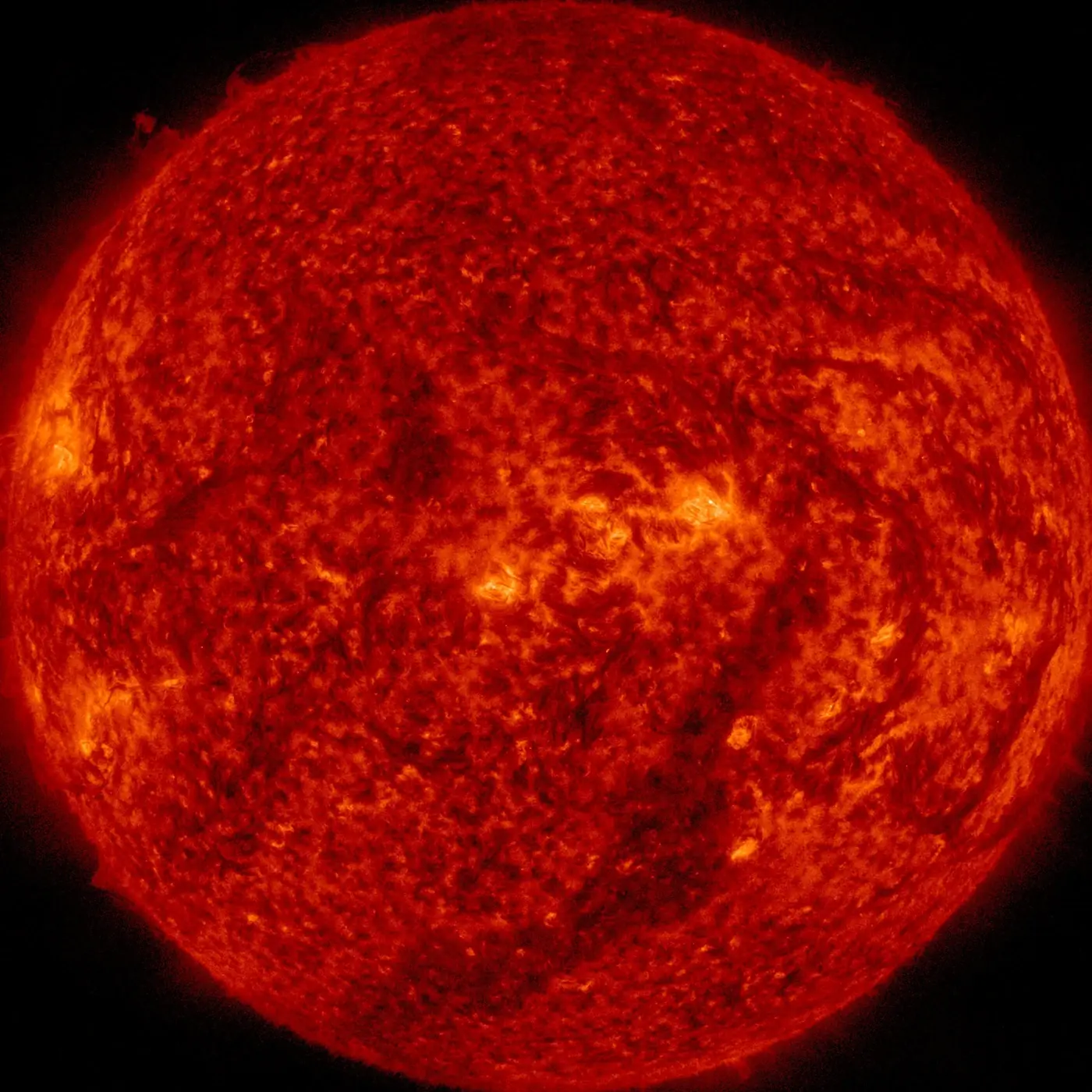
So the real question becomes: which system measures something you care about? On October 18, 2026, the Sun is at 25°07′ Libra counted from the equinox, 0°53′ Libra counted from the stars, and physically in front of Virgo. All three numbers are right.
The sky behind it
Sun computed with JPL DE442 (apparent geocentric longitude, true ecliptic of date) at October 18, 2026 · 12:00 UTC. Sidereal = tropical minus the Lahiri ayanamsa (24°14′01″). Constellation from the IAU boundaries (Roman 1987) via skyfield.
Tropical vs sidereal
Western vs Vedic: same planets, different starting line

Try this today
- If your Western Sun is past 24°14′ in its sign, it stays in the same sign in the Vedic chart. Earlier than that, it slides back one.
- Check your Moon too. It moves fast, and it's the planet Vedic readings lead with.
Vedic vs Western astrology, in fullSidereal sign calculatorSidereal zodiac dates 2026
Western astrology uses the tropical zodiac. Its 0° Aries is the March equinox, the moment the Sun crosses the celestial equator heading north. Ptolemy set this out in the 2nd century: the signs are counted from "the vernal equinox, that of Aries" (Tetrabiblos I.10). In 2026 that moment came on March 20, 2026 · 14:45 UTC.
Vedic astrology (Jyotisha) uses a sidereal zodiac, tied to the stars. Because Earth's axis slowly wobbles (the precession of the equinoxes), the two zero points drift apart by about 50.26″ a year. Under the Lahiri ayanamsa the gap is 24°14′ in October 2026, so the Sun reached Vedic Aries on April 14, 2026 · 04:02 UTC.
Which is "more accurate"? Each one is exact about its own anchor. Tropical tracks the seasons perfectly. Sidereal tracks the star backdrop, though even sidereal schools disagree slightly on where to start (Lahiri, KP, Raman, Fagan-Bradley). Neither has beaten the other in a controlled study.
The practical difference is real, though: about 81% of the zodiac falls in a different sign, which is why so many people meet a "new" Vedic Sun sign.
The literal stars
The constellations: the most literal answer, and the least astrological
Try this today
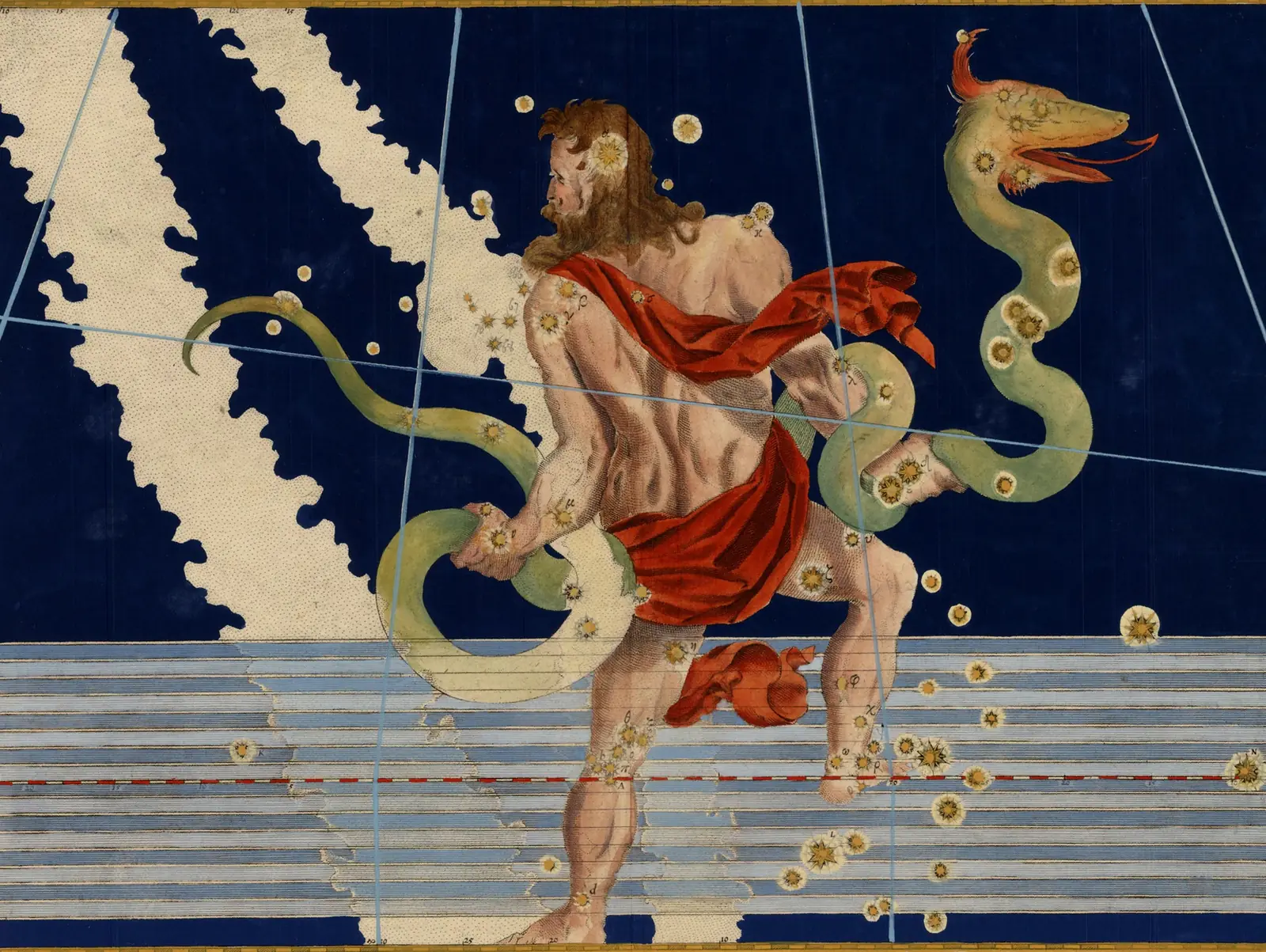
- Find your constellation in the tool below. If it says Ophiuchus, congratulations: you're one of the people the internet keeps writing headlines about.
- On a clear night, look for your constellation about six months after your birthday. That's when it's high at night instead of hidden behind the Sun.
Real zodiac dates 2026Is Ophiuchus a zodiac sign?Has my zodiac sign changed?
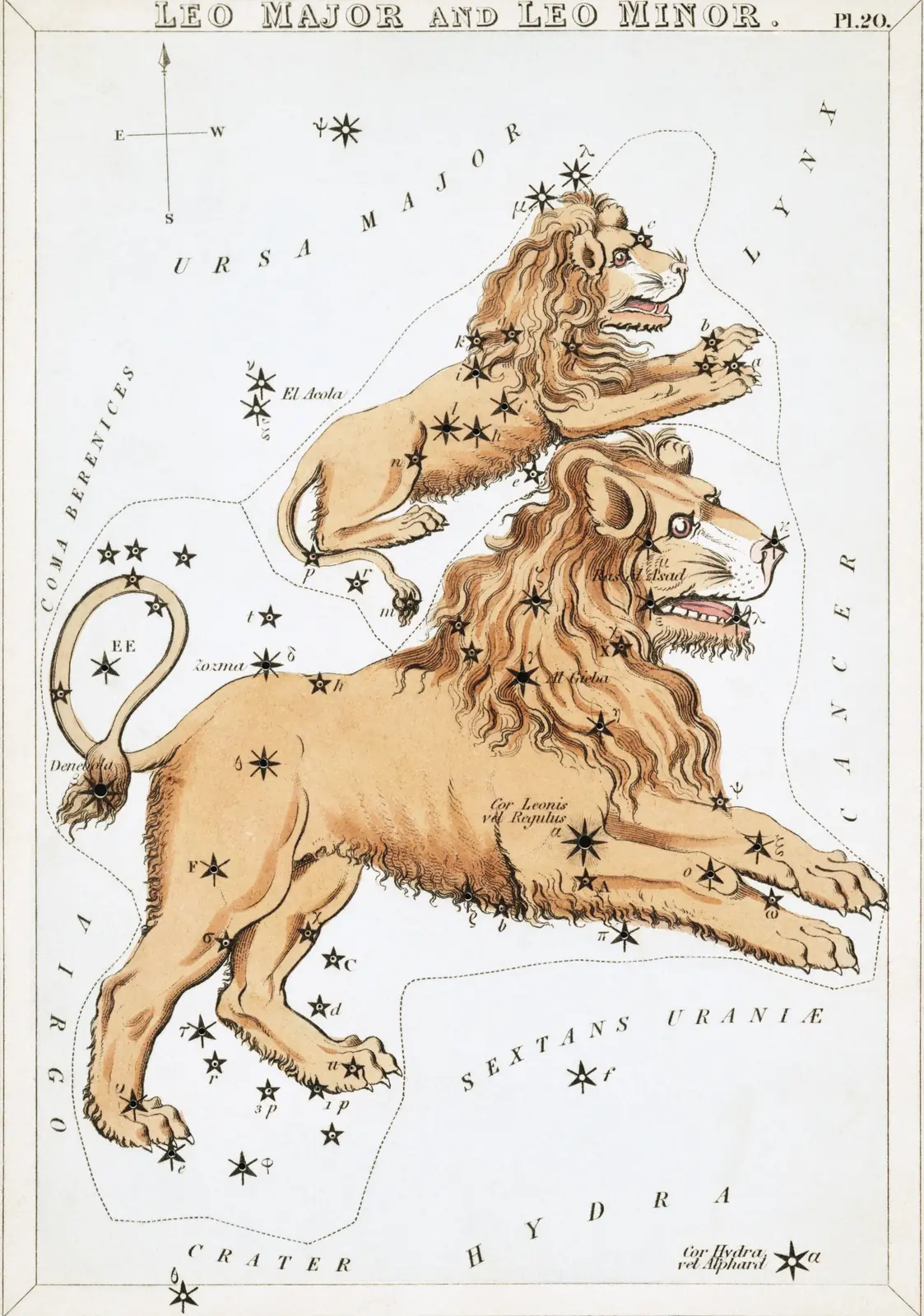
If "accurate" means "what stars are actually behind the Sun," the answer isn't a zodiac at all. It's the constellations as the International Astronomical Union drew their boundaries in 1930 (IAU).
They are wildly unequal. Using those boundaries, the Sun passes through 13 constellations in 2026. It lingers in Virgo for 44.5 days and crosses Scorpius in just 6.5, from Nov 23 to Nov 30. Then it spends 18.3 days in Ophiuchus, the serpent-bearer, which no zodiac counts.
This is the source of the "NASA changed your sign" story. NASA never changed anything; its Space Place page simply explained that the constellations and the zodiac signs are different things (NASA).
So constellations win the literal-accuracy contest, and lose the astrology one. No tradition, Western or Vedic, has ever built its sign meanings on these uneven star regions. They are astronomy, and they are beautiful, but they're not a better horoscope.
A different clock
The Chinese zodiac doesn't measure the Sun at all
Try this today
- Born in January or early February? Check the tool. You may belong to the previous year's animal.
- Compare your animal with your Western sign on our combined lookup. Some pairings really are fun.
Chinese vs Western zodiacChinese zodiac element calculatorFire Horse superstition
"Tropical vs sidereal vs Chinese" sounds like three answers to the same question. It isn't. The Chinese zodiac is a 12-year cycle of animals combined with five elements, and it is counted by year, not by where the Sun was on your birthday (Britannica).
The year turns at Lunar New Year, the second new moon after the December solstice in most years. We computed it: February 17, 2026 started the Fire Horse year, and February 6, 2027 starts the Fire Goat. Some practitioners use the solar term Lichun, around February 4, instead, which is one more way two "Chinese zodiac" calculators can disagree.
That means everyone born in the same year shares an animal, and your birthday inside the year changes nothing (unless it falls in January or February, before New Year). It's a generational and calendar system, much closer to a family tradition than a personal chart.
Is it "more accurate" than Western? They don't compete. One counts years, the other counts degrees.
The honest part
What the tests actually found

Try this today
- Read your Sun sign description in two systems without looking at the labels. Which one would you have picked? That's your preference, not proof.
- Watch for the Barnum effect: statements vague enough to fit everyone feel weirdly personal. Specific, checkable claims are the interesting ones.
Here's the part most "which astrology is most accurate" pages skip.
In 1985 the physicist Shawn Carlson ran a double-blind test with astrologers who had agreed to the design beforehand. They were given a birth chart and three personality profiles, one of them belonging to the chart's owner, and asked to pick the match. They did no better than chance (Nature).
Those tests used Western astrology. We know of no published controlled study showing Vedic, Chinese, Mayan or any other system doing better. So when someone says their system is "the accurate one," they're describing a feeling, not a result.
The feeling is real, by the way. A reading that gives you new language for your life can be genuinely useful. Just treat astrology as reflection and tradition, not as a forecast you should bet on, and never as a substitute for real advice about health, money or the law.
Your birthday, every system
One birthday, five answers
Enter your birthday and we place the Sun in the Western and Vedic zodiacs, find the constellation behind it, look up your Chinese year and add up your life path number. Then tell us what you want astrology for and we'll point you to the system built for it. It all runs in your browser and nothing is saved.
The three sky systems give you 2 different Sun answers.
Western (tropical)
Leo
Sun at 16°14′ Leo. Measured from the March equinox.
Vedic (sidereal, Lahiri)
Cancer
Sun at 22°22′ Cancer. Same Sun, counted from the stars, 23.86° back.
Constellation behind the Sun
Cancer
The IAU star region the Sun stood in. Unequal sizes, 13 on the ecliptic.
Chinese zodiac
Yang Metal Dragon
Lunar New Year that year fell on 2000-02-05.
Numerology (not astronomy)
Life path 9
The digits of your birth date added up. No planets involved.
What do you want astrology for?
Western (tropical) astrology
Its zodiac is anchored to the equinoxes and solstices, so Aries always starts with northern spring. If the light and the year's rhythm mean something to you, this is the frame built for it.
More to read
Shorter reads. Each opens in place.
The rest of the field
Mayan, Egyptian, Human Design, numerology
Some of what gets called astrology isn't astrology at all. Numerology adds up birth-date digits and uses no sky positions. Human Design is a 1987 system that blends astrology with other traditions. The popular list of 12 Egyptian god signs is modern, while the real Dendera zodiac is a Greco-Roman-era ceiling now in the Louvre. The Mayan day signs come from the 260-day tzolk'in calendar. Each has its own page, with the history kept honest.
Continue readingShow less
Choosing
So which one should you use?
Choose by what you want it to mean. The seasons and modern psychological language: Western. The star backdrop, the Moon's nakshatra and dasha timing: Vedic. Your year and your family's calendar: Chinese. The literal star behind the Sun: the IAU constellations. Keep each in its own lane and never mix two zodiacs in one reading.
Continue readingShow less
The systems side by side
What each system counts from, what it needs from you, and what it actually measures. Below that, the Sun's real path through the constellations in 2026, next to the zodiac signs.
| System | Counts from | Needs | Measures | Shown more accurate in tests? |
|---|---|---|---|---|
| Western (tropical) | March equinox | Date, time, place | Planets in 12 equal season-based signs | No |
| Vedic (sidereal) | A star-fixed point (Lahiri: 24°14′ back in 2026) | Date, time, place | Planets in 12 equal star-based signs, nakshatras, dashas | No |
| IAU constellations | Official 1930 boundaries | Date | Which of 13 unequal star regions holds the Sun | Not astrology |
| Chinese zodiac | Lunar New Year | Birth year (and date near New Year) | 12-year animal cycle and 5 elements | No |
| Numerology | Digits of date and name | Date, name | No sky positions | No |
| Constellation | Sun enters | Sun leaves | Days |
|---|---|---|---|
| Capricornus | January 20, 2026 · 02:18 UTC | February 16, 2026 · 12:54 UTC | 27.4 |
| Aquarius | February 16, 2026 · 12:54 UTC | March 12, 2026 · 14:30 UTC | 24.1 |
| Pisces | March 12, 2026 · 14:30 UTC | April 19, 2026 · 02:29 UTC | 37.5 |
| Aries | April 19, 2026 · 02:29 UTC | May 14, 2026 · 13:57 UTC | 25.5 |
| Taurus | May 14, 2026 · 13:57 UTC | June 21, 2026 · 21:19 UTC | 38.3 |
| Gemini | June 21, 2026 · 21:19 UTC | July 21, 2026 · 02:04 UTC | 29.2 |
| Cancer | July 21, 2026 · 02:04 UTC | August 11, 2026 · 01:09 UTC | 21.0 |
| Leo | August 11, 2026 · 01:09 UTC | September 17, 2026 · 02:15 UTC | 37.0 |
| Virgo | September 17, 2026 · 02:15 UTC | October 31, 2026 · 14:40 UTC | 44.5 |
| Libra | October 31, 2026 · 14:40 UTC | November 23, 2026 · 17:27 UTC | 23.1 |
| Scorpius | November 23, 2026 · 17:27 UTC | November 30, 2026 · 05:39 UTC | 6.5 |
| Ophiuchus | November 30, 2026 · 05:39 UTC | December 18, 2026 · 13:06 UTC | 18.3 |
| Sagittarius | December 18, 2026 · 13:06 UTC | January 20, 2027 · 08:25 UTC | 32.8 |
| Sign | Western (tropical) | Vedic (sidereal, Lahiri) |
|---|---|---|
| Aries | March 20, 2026 · 14:45 UTC | April 14, 2026 · 04:02 UTC |
| Taurus | April 20, 2026 · 01:39 UTC | May 15, 2026 · 00:52 UTC |
| Gemini | May 21, 2026 · 00:36 UTC | June 15, 2026 · 07:23 UTC |
| Cancer | June 21, 2026 · 08:24 UTC | July 16, 2026 · 18:09 UTC |
| Leo | July 22, 2026 · 19:13 UTC | August 17, 2026 · 02:28 UTC |
| Virgo | August 23, 2026 · 02:18 UTC | September 17, 2026 · 02:22 UTC |
| Libra | September 23, 2026 · 00:05 UTC | October 17, 2026 · 14:21 UTC |
| Scorpio | October 23, 2026 · 09:37 UTC | November 16, 2026 · 14:13 UTC |
| Sagittarius | November 22, 2026 · 07:23 UTC | December 16, 2026 · 04:55 UTC |
| Capricorn | December 21, 2026 · 20:50 UTC | January 14, 2026 · 09:37 UTC |
| Aquarius | January 20, 2026 · 01:44 UTC | February 12, 2026 · 22:38 UTC |
| Pisces | February 18, 2026 · 15:51 UTC | March 14, 2026 · 19:33 UTC |
All times are UTC. In the Americas the local date can be a day earlier; in Asia and Australia a day later.
Quick answers
Which astrology is most accurate?
None has been shown to be more accurate than the others in controlled tests. Western, Vedic and Chinese astrology all calculate the sky (or the calendar) correctly, but tests of whether charts describe people, such as Carlson's double-blind study in Nature (1985), found results no better than chance. The useful question is which one measures the thing you care about.
Is Vedic astrology more accurate than Western astrology?
No published controlled study shows that. The two use different zodiacs, 24°14′ apart in October 2026 (Lahiri ayanamsa), so about 81% of the zodiac lands in a different sign. Both place the planets in the same physical spot. The full comparison is on our Vedic vs Western page.
Tropical vs sidereal vs Chinese: what is the difference?
Tropical (Western) signs are 30° slices counted from the March equinox. Sidereal (Vedic) signs are the same slices counted from a point fixed to the stars. The Chinese zodiac is not about the Sun's position at all: it is a 12-year animal cycle with five elements, counted from Lunar New Year.
What is the most accurate zodiac sign system in 2026?
For the stars behind the Sun, the IAU constellations are the literal answer, and on October 18, 2026 the Sun is in Virgo while both zodiacs say Libra. For the seasons, tropical is exact by definition. "Accurate" depends on which of those you mean.
Is the 13-sign zodiac with Ophiuchus more accurate?
It is a closer match to the constellations, because the Sun really does cross Ophiuchus (in 2026 from Nov 30 to Dec 18, about 18 days). But no astrology tradition built its meanings on 13 unequal signs. It is an astronomy fact, not a better astrology.
Why do different astrology apps give me different signs?
Usually because they use different zodiacs (tropical or sidereal), different ayanamsas, or different house systems. A few also assume a birth time when you leave it blank. Ask which zodiac and which house system the app uses before comparing results.
Is numerology more accurate than astrology?
Numerology uses no astronomy: it adds up the digits of your birth date and name. It has no stronger evidence behind it than astrology does. They are different symbol systems and can't really be ranked on accuracy.